Nandhaur Wildlife Sanctuary FAQs

  1. Where is Nandhaur Wildlife Sanctuary located?

Nandhaur Wildlife Sanctuary is situated in the northern part of Uttarakhand, India. It is located in the Pithoragarh district, near the border with Nepal.

2. What is the significance of Nandhaur Wildlife Sanctuary?

The sanctuary is known for its rich biodiversity and scenic beauty. It is a crucial habitat for several endangered species and provides vital ecological functions in the region.

3. What is the best time to visit the sanctuary?

The best time to visit Nandhaur Wildlife Sanctuary is from October to March. During these months, the weather is generally pleasant and suitable for wildlife viewing and trekking.

4. How can I reach Nandhaur Wildlife Sanctuary?

By Road: The sanctuary is accessible by road from major towns in Uttarakhand. The nearest major town is Pithoragarh, from where you can travel to the sanctuary.
By Rail: The nearest railway station is at Tanakpur, which is about 80 kilometers away from the sanctuary.
By Air: The nearest airport is in Pantnagar, approximately 130 kilometers away. From there, you would need to travel by road.

5. Are there any entry fees?

Yes, there is an entry fee for visiting Nandhaur Wildlife Sanctuary. The fee varies depending on the type of visitor (Indian or foreign) and the duration of the stay. Additional fees may apply for guides and photography.

6. Do I need a permit to visit the sanctuary?

Yes, visitors need to obtain permits to enter the sanctuary. Permits can be acquired from the Forest Department office or through authorized tour operators.

7. Are there any specific regulations to follow?

Visitors must follow regulations such as avoiding disturbance to wildlife, staying on designated trails, and not littering. It is also essential to adhere to any additional guidelines provided by the sanctuary authorities.

8. Is there accommodation available within or near the sanctuary?

There are no permanent accommodations within the sanctuary itself. Visitors typically stay in nearby towns like Pithoragarh, where various hotels and guesthouses are available.

9. What activities can be done in the sanctuary?

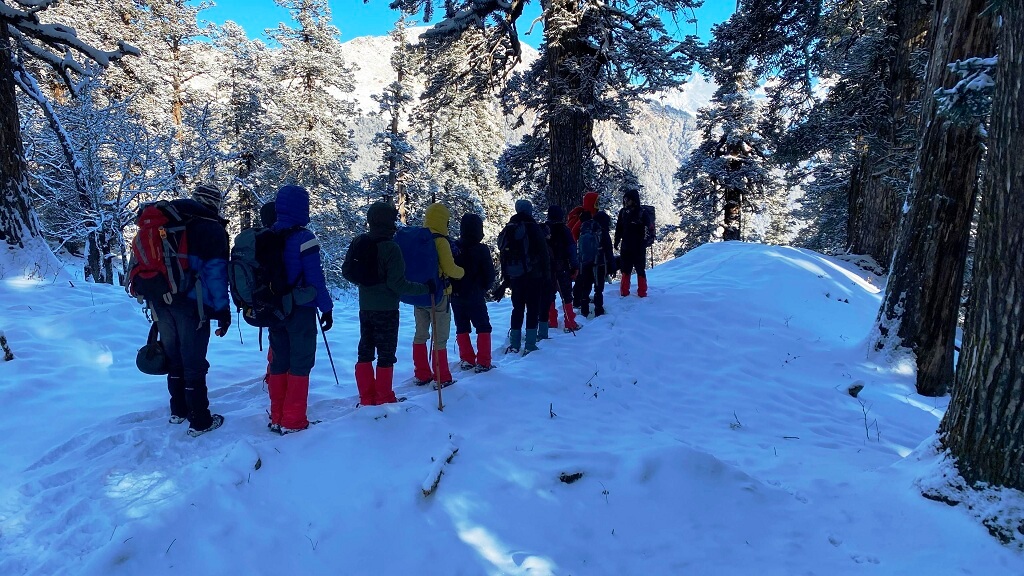
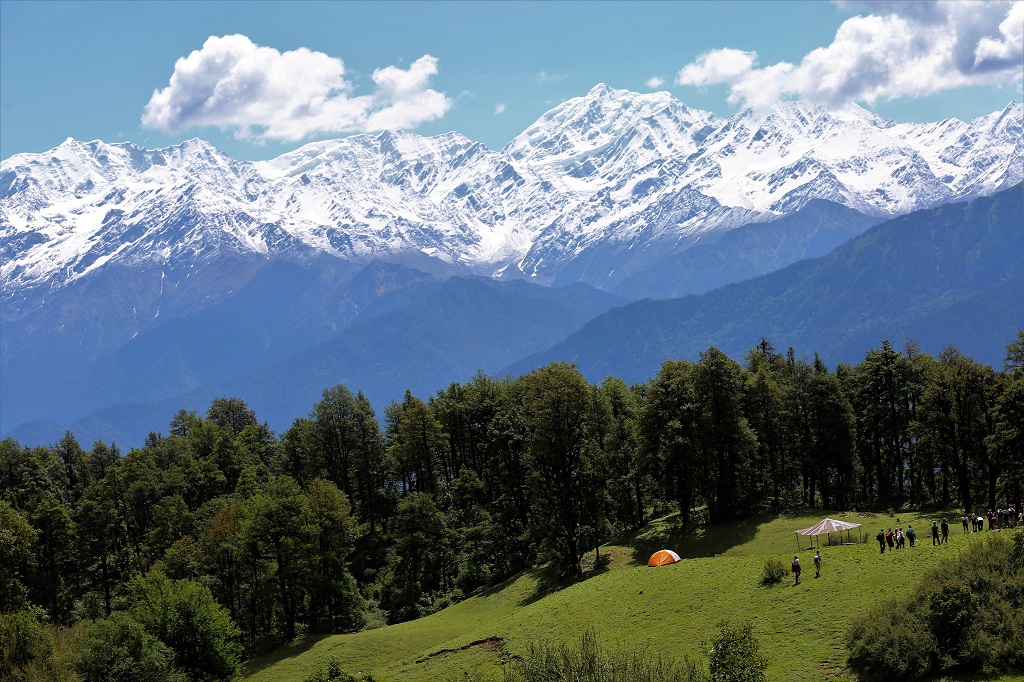
Popular activities include wildlife observation, nature walks, and trekking. The sanctuary provides opportunities for enjoying the natural beauty and observing wildlife in their natural habitat.

10. Is the sanctuary safe for tourists?

Yes, Nandhaur Wildlife Sanctuary is generally safe for tourists. However, due to its remote location and the presence of wild animals, it is important to follow safety guidelines and travel with experienced guides or tour operators.

11. What should I pack for a visit?

Pack comfortable clothing, sturdy walking shoes, warm layers, rain gear, food, water, and a first-aid kit. Also, carry necessary permits, identification, and any required camera equipment.

Nanda Devi National Park FAQs

  1. Where is Nanda Devi National Park located?

Nanda Devi National Park is located in the Indian state of Uttarakhand. It lies in the northern part of the state, encompassing the Nanda Devi and Nanda Devi East peaks.

2. What is the significance of Nanda Devi National Park?

The park is a UNESCO World Heritage Site and is renowned for its stunning natural beauty, high-altitude flora and fauna, and rugged terrain. It is named after the Nanda Devi peak, one of the highest mountains in India.

3. What is the best time to visit the park?

The best time to visit Nanda Devi National Park is between May and October. The weather is generally pleasant during these months, though it can be quite cold at higher altitudes.

4. How can I reach Nanda Devi National Park?

By Road: The nearest major town is Joshimath, which is well-connected by road. From Joshimath, you will need to trek or travel by jeep to the park’s entry points.
By Rail: The nearest railway station is in Rishikesh, about 250 kilometers away from the park.
By Air: The nearest airport is in Dehradun, approximately 300 kilometers away. From Dehradun, you would need to travel by road.

5. Are there any entry fees?

Yes, there is an entry fee for Indian and foreign tourists. The fee varies depending on the visitor category and duration of stay. Additional permits may be required for trekking and camping.

6. Do I need a permit to visit the park?

Yes, a permit is required to visit Nanda Devi National Park. Permits can be obtained from the Forest Department or through designated tour operators. For trekking, additional permissions may be necessary.

7. Are there any specific regulations to follow?

Visitors must adhere to strict guidelines to preserve the park’s natural environment. This includes carrying out all waste, following designated trails, and avoiding disturbances to wildlife.

8. Is there accommodation available within the park?

There are no permanent accommodations within the park. Visitors typically stay in nearby towns like Joshimath or on trekking routes where temporary camps are set up.

9. What wildlife can be spotted in the park?

The park is home to a variety of wildlife including the Himalayan tahr, snow leopard, black bear, and various species of deer. Birdwatchers can also spot several high-altitude bird species.

10. What activities can be done in the park?

Popular activities include trekking, nature walks, and wildlife observation. The park offers challenging treks with breathtaking views, including the trek to the base of Nanda Devi.

11. Is the park safe for tourists?

Yes, the park is generally safe for tourists, but due to its remote location and challenging terrain, it is important to be well-prepared and, ideally, travel with experienced guides or tour operators.

Sidhbali Temple FAQs

  1. Where is Sidhbali Temple located?

Sidhbali Temple is located in Kotdwar, Uttarakhand, India. It is situated about 4 kilometers from the main city center.

2. To which deity is the temple dedicated?

The temple is dedicated to Lord Hanuman, one of the most revered deities in Hinduism, known for his strength and devotion.

3. What is the significance of Sidhbali Temple?

Sidhbali Temple is a prominent pilgrimage site dedicated to Lord Hanuman. It is believed to be a place where devotees can seek blessings for strength and protection.

4. What are the temple’s opening hours?

The temple is generally open from early morning (around 5:00 AM) to late evening (around 9:00 PM). Specific timings may vary, especially during festivals.

5. Is there an entry fee for the temple?

No, there is no entry fee for visiting Sidhbali Temple. Donations are welcomed for the temple’s maintenance and activities.

6. What is the best time to visit the temple?

The best time to visit Sidhbali Temple is during early morning or late afternoon to avoid the crowds. Festivals and major Hindu religious days are also popular times to visit.

7. Are there any facilities available at the temple?

The temple provides basic facilities including restrooms and a small area for offering donations. There are also vendors selling prasad (offerings) and other items.

8. Is there accommodation nearby?

Yes, there are various hotels and guesthouses in Kotdwar, ranging from budget to mid-range, that offer accommodation for visitors to the temple.

9. How can I reach Sidhbali Temple?

The temple is accessible by road from the main Kotdwar city. Local transport options like auto-rickshaws and taxis are available, or you can walk from the city center.

10. What should I wear when visiting the temple?

It is advisable to wear modest clothing when visiting the temple. Covering shoulders and legs is a respectful practice in most Hindu temples.

Kotdwar FAQs

  1. Where is Kotdwar located?

Kotdwar is a city in the Pauri Garhwal district of Uttarakhand, India. It is situated in the foothills of the Himalayas and serves as a gateway to the hill stations and tourist destinations in Uttarakhand.

2. What is the climate like in Kotdwar?

Kotdwar experiences a subtropical climate with hot summers, cool winters, and a monsoon season with moderate to heavy rainfall.

3. How can I reach Kotdwar?

By Road: Kotdwar is well-connected by road. It can be reached from major cities like Delhi, Haridwar, and Dehradun via national highways.
By Rail: Kotdwar has a railway station on the Northern Railway network, which connects it to major cities including Delhi and Dehradun.
By Air: The nearest airport is Jolly Grant Airport in Dehradun, about 100 kilometers away, which is connected by road and rail to Kotdwar.

4. Are there public transport options available?

Yes, Kotdwar has a range of public transport options including buses, auto-rickshaws, and taxis.

5. What are some accommodation options in Kotdwar?

Kotdwar offers various accommodation options including budget hotels, mid-range hotels, and guesthouses.

6. Are there any guesthouses or homestays?

Yes, there are guesthouses and homestays available for those looking for a more personalized and local experience.

7. What are the must-visit places in Kotdwar?

Sidhbali Temple: An important Hindu temple dedicated to Lord Hanuman, attracting many pilgrims.
Laxman Siddh Temple: A temple with historical and religious significance.
Kaleshwar Temple: A revered temple dedicated to Lord Shiva.
Sainji Village: Known for its picturesque beauty and local culture.

8. Are there any natural attractions or parks?

Corbett National Park: Located about 50 kilometers from Kotdwar, it’s a renowned wildlife sanctuary and a great spot for safaris and nature enthusiasts.
Sidhbali Temple Area: Offers scenic views and a peaceful environment.

9. Is Kotdwar safe for tourists?

Yes, Kotdwar is generally safe for tourists. As with any travel destination, it’s advisable to take standard precautions and be aware of your surroundings.

10. Are there any local festivals or cultural events?

Kotdwar celebrates various local and regional festivals with enthusiasm, including Holi, Diwali, and local fairs. Participating in these events can offer a deeper cultural experience.

Kashipur FAQs

  1. Where is Kashipur located?

Kashipur is a city in the Udham Singh Nagar district of Uttarakhand, India. It’s situated in the southern part of the state, close to the borders of Uttar Pradesh.

2. What is the climate like in Kashipur?

Kashipur experiences a humid subtropical climate with hot summers, mild winters, and moderate rainfall during the monsoon season.

3. How can I reach Kashipur?

Kashipur is well-connected by road. It can be reached from major cities like Dehradun, Nainital, and Delhi. The nearest railway station is Kashipur itself, which connects to major railway networks. The nearest airport is in Pantnagar, about 70 kilometers away.

4. Are there public transport options available?

Yes, Kashipur has bus services, auto-rickshaws, and taxis for local and intercity travel.

5. What are some accommodation options in Kashipur?

Kashipur offers a range of accommodations including budget hotels, mid-range hotels, and a few upscale options.

6. Are there any guesthouses or homestays?

Yes, there are guesthouses and homestays available for a more personalized experience.

7. What are the must-visit places in Kashipur?

Patanjali Yog Peeth: A large complex dedicated to yoga and Ayurveda.
Ramnagar Fort: A historical fort located nearby.
Jama Masjid: A prominent mosque reflecting local architecture.
Sri Narsingh Mandir: A significant temple dedicated to Lord Narsingh.

8. Are there any natural attractions or parks?

Jim Corbett National Park: Located about 50 kilometers away, it’s a popular wildlife sanctuary and a great spot for safaris.
Sitabani Wildlife Sanctuary: Near Kashipur, offering trekking and nature exploration.

9. Is Kashipur safe for tourists?

Yes, Kashipur is generally safe for tourists. However, it’s advisable to follow standard safety precautions and be mindful of local advice.

10. What is the local cuisine like?

The local cuisine includes traditional North Indian dishes such as parathas, chole bhature, and various regional sweets. There are also options for South Indian and continental foods in local restaurants.

Banbasa FAQs

  1. Where is Banbasa located?

Banbasa is situated in the Champawat district in the state of Uttarakhand, India. It lies near the border with Nepal.

2. What is the primary language spoken in Banbasa?

The primary languages spoken in Banbasa are Hindi and Kumaoni. Nepali is also commonly spoken due to the town’s proximity to Nepal.

3. What is the best time to visit Banbasa?

The best time to visit Banbasa is between October and March when the weather is pleasant and conducive for travel.

4. How can I reach Banbasa?

Banbasa can be reached by road from major cities in Uttarakhand. The nearest railway station is at Tanakpur, which is about 20 kilometers away. The nearest airport is in Pantnagar, around 95 kilometers from Banbasa.

5. Are there public transport options available?

Yes, there are buses and taxis available from nearby towns and cities. Local transport within Banbasa can include auto-rickshaws and shared taxis.

6. Are there hotels or guesthouses in Banbasa?

Banbasa has a few budget hotels and guesthouses. For more options, you might need to look in nearby towns like Tanakpur or Champawat.

7. What are the basic amenities available in Banbasa?

Basic amenities include shops, local markets, and small eateries. For more extensive services, you may need to travel to a larger town.

8. What are some attractions near Banbasa?

Nearby attractions include the famous Purnagiri Temple, located about 30 kilometers away. The town is also close to the border area with Nepal, offering unique cross-border experiences.

9. Are there any trekking or adventure options in the area?

The region around Banbasa offers opportunities for trekking and exploration, particularly in the nearby hill areas. The terrain is suitable for nature walks and light treks.

10. Is Banbasa safe for tourists?

Yes, Banbasa is generally safe for tourists. However, it’s always advisable to take usual precautions and check local travel advisories.

Contact Us