Roorkee FAQs

1. What is Roorkee?

Roorkee is a city in the Haridwar district of Uttarakhand, India. It is known for its educational institutions, particularly the Indian Institute of Technology (IIT) Roorkee, one of the premier engineering institutes in India. Roorkee is also an important administrative and commercial center in the region.

2. Where is Roorkee located?

Roorkee is situated in the northern part of India, in the state of Uttarakhand. It is located approximately 30 kilometers south of Haridwar and around 170 kilometers north of Delhi.

3. How do I get to Roorkee?
  • By Train: Roorkee has a railway station with connectivity to major cities like Delhi, Haridwar, and Dehradun.
  • By Road: Roorkee is accessible via National Highway 334 (NH 334), which connects it to major cities and towns in the region.
  • By Air: The nearest airport is in Dehradun (Jolly Grant Airport), about 70 kilometers away. From there, you can hire a taxi or take a bus to Roorkee.
4. What are the main attractions in Roorkee?
  • Indian Institute of Technology (IIT) Roorkee: A prestigious engineering institution with a historic campus.
  • Roorkee Waterworks: An important historical site related to the development of water supply systems.
  • Barkot: A scenic village near Roorkee known for its natural beauty.
  • Piran Kaliyar Sharif: A revered Sufi shrine located a short distance from Roorkee.
5. What is the best time to visit Roorkee?

The best time to visit Roorkee is during the cooler months, from October to March, when the weather is pleasant and suitable for travel and exploration. Summers can be quite hot, and monsoons may bring heavy rains.

7. What should I know about the local cuisine in Roorkee?

Roorkee offers a variety of North Indian cuisine, including traditional dishes like parathas, chole bhature, and various street food items. Local eateries and restaurants serve a range of vegetarian and non-vegetarian options.

8. Are there any shopping areas in Roorkee?

Yes, Roorkee has several markets and shopping areas where you can buy local goods, clothing, and souvenirs. Popular areas include the main market and various shopping complexes.

9.Is Roorkee safe for tourists?

Roorkee is generally considered safe for tourists. However, as with any travel destination, it’s important to exercise standard precautions, such as being aware of your surroundings, securing your belongings, and following local advice.

10. What should I bring when visiting Roorkee?

When visiting Roorkee, it’s advisable to bring weather-appropriate clothing, especially if traveling during the hotter or cooler months. Other essentials include personal items, medication, and any necessary travel documents.

11. Are there any nearby destinations to visit from Roorkee?
  • Haridwar: Known for its spiritual significance and the Ganga Aarti.
  • Rishikesh: Famous for its yoga and adventure sports.
  • Dehradun: The capital city of Uttarakhand, offering various attractions and natural beauty.

Alkapuri Glacier FAQs

1. What is Alkapuri Glacier?

Alkapuri Glacier is a glacier located in the Indian state of Uttarakhand, near the Badrinath region in the Himalayas. It is known for its scenic beauty and as a source of the Alaknanda River, which is a major tributary of the Ganges.

2. Why is Alkapuri Glacier significant?

Alkapuri Glacier holds significant geographical and religious importance. It is considered sacred in Hinduism, particularly because the Alaknanda River, which originates from this glacier, is revered as a holy river. The glacier also plays a crucial role in the ecology and hydrology of the region.

3. Where is Alkapuri Glacier located?

Alkapuri Glacier is situated in the northern part of Uttarakhand, near the town of Badrinath. It is located in the remote and rugged terrain of the Himalayas, making it a challenging but rewarding destination for trekkers and nature enthusiasts.

4. How do I get to Alkapuri Glacier?

To reach Alkapuri Glacier, you first need to travel to Badrinath, which is accessible by road from major cities like Haridwar and Rishikesh. From Badrinath, a trek is required to reach the glacier. The trek can be demanding and may require a guide or local support due to the challenging terrain and high altitude.

5. What can I do at Alkapuri Glacier?

Visitors to Alkapuri Glacier can enjoy trekking, mountaineering, and exploring the pristine natural environment. The glacier offers stunning views of the surrounding peaks and valleys, making it a popular spot for nature lovers and adventure seekers.

6. Are there any rituals or practices associated with Alkapuri Glacier?

The glacier is considered sacred, and some pilgrims and devotees may perform rituals or offer prayers here. It is also part of the traditional Char Dham pilgrimage circuit, where visitors pay homage to the holy rivers originating from the glacier.

7. Is there any entry fee for visiting Alkapuri Glacier?

There is generally no entry fee for visiting Alkapuri Glacier. However, there may be costs associated with trekking permits, guide services, and other logistical arrangements. It is advisable to check with local authorities or trekking agencies for the latest information.

8. What is the best time to visit Alkapuri Glacier?

The best time to visit Alkapuri Glacier is during the summer months, from May to October. During this period, the weather is relatively favorable, and the trekking conditions are more manageable. The glacier may be inaccessible during the winter months due to heavy snowfall and extreme cold.

9. What should I bring when visiting Alkapuri Glacier?

When visiting Alkapuri Glacier, bring appropriate trekking gear, warm clothing, sturdy hiking boots, and essential supplies such as food, water, and first-aid items. Additionally, carry necessary permits and documentation if required.

10. Are there accommodations near Alkapuri Glacier?

Accommodations are available in Badrinath, where you can stay before and after your trek to the glacier. Badrinath offers a range of lodging options, including budget and mid-range hotels. The area around the glacier itself does not have established accommodations, so trekking and camping arrangements need to be made in advance.

11. Are permits or special permissions required for visiting Alkapuri Glacier?

Yes, permits or special permissions might be required for trekking in the region, especially in protected or restricted areas. It’s important to obtain necessary permits from local authorities or trekking agencies before embarking on your journey.

Gagesha cave FAQs

  1. What is Gagesha Cave?

Gagesha Cave is a sacred cave situated near the town of Badrinath, in the Chamoli district of Uttarakhand. It is associated with various legends and spiritual practices in Hinduism.

2. Why is Gagesha Cave significant?

Gagesha Cave is significant for its historical and spiritual importance. It is believed to be a place where ancient sages meditated and practiced spirituality. The cave is also linked with the legend of Sage Gagesha, who is said to have performed intense penance here.

3. Where is Gagesha Cave located?

Gagesha Cave is located in the Himalayan region near Badrinath. It is situated at a high altitude, making it a part of the scenic and spiritual landscape of the Badrinath area.

4. How do I get to Gagesha Cave?

To reach Gagesha Cave, you first need to travel to Badrinath, which is accessible by road from major cities like Haridwar and Rishikesh. From Badrinath, the cave is accessible via a trek. It’s advisable to hire a local guide or check with local authorities for precise directions and trekking routes.

5. What can I do at Gagesha Cave?

Visitors to Gagesha Cave can explore the cave, offer prayers, and engage in meditation. The serene environment of the cave offers a peaceful setting for reflection and spiritual practice.

6. Are there any rituals or practices associated with Gagesha Cave?

The cave is considered a sacred site for meditation and prayer. Devotees may perform personal rituals or offer prayers while visiting the cave. Local traditions and practices can vary, so it’s helpful to inquire locally for specific customs.

7. Is there any entry fee for visiting Gagesha Cave?

There is generally no entry fee for visiting Gagesha Cave. However, it’s a good idea to check for any updates or local regulations regarding access or donations.

8. What is the best time to visit Gagesha Cave?

The best time to visit is during the summer months from May to October, when the weather is more favorable for trekking and exploration. The cave may be inaccessible during the winter due to snow and extreme weather conditions.

9. What should I bring when visiting Gagesha Cave?

Bring appropriate trekking gear, warm clothing, comfortable shoes, and any personal items you may need. Also, carry food and water, as amenities might be limited.

10. Are there accommodations near Gagesha Cave?

Accommodations are available in Badrinath, where you can stay and then make the trek to the cave. Badrinath offers various lodging options, from budget to luxury hotels.

Narad Kund FAQs

  1. What is Narad Kund?

Narad Kund is a sacred pond located in the town of Badrinath in Uttarakhand, India. It is an important site for Hindu pilgrims visiting the Badrinath Temple, one of the Char Dham pilgrimage destinations. The pond is named after the sage Narada, a revered figure in Hindu mythology.

2. Why is Narad Kund significant?

Narad Kund is considered highly sacred and is associated with various legends and traditions. It is believed that the water in the pond is blessed and that taking a dip here can cleanse one of sins. The pond is also linked to the legend of sage Narada, who is said to have worshipped Lord Vishnu at this site.

3. Where is Narad Kund located?

Narad Kund is situated in Badrinath, which is in the Chamoli district of Uttarakhand, India. It is situated near the Badrinath Temple, which is located in the Himalayas at an altitude of around 3,133 meters (10,279 feet).

4. How do I get to Narad Kund?

To reach Narad Kund, you typically travel to Badrinath first. Badrinath is accessible by road from major cities like Haridwar and Rishikesh. From Badrinath Temple, Narad Kund is a short walk. Pilgrims often visit Narad Kund as part of their visit to the Badrinath Temple.

5. What can I do at Narad Kund?

Visitors to Narad Kund often take a ritual bath in its sacred waters, which is believed to purify the soul. The pond is also a place for reflection and spiritual practice. It is a serene spot where pilgrims can meditate and offer prayers.

6. Are there any rituals or practices associated with Narad Kund?

Yes, there are several rituals associated with Narad Kund. Pilgrims usually perform a dip in the pond before proceeding to the Badrinath Temple. Some devotees also conduct specific pujas or ceremonies here as part of their spiritual practices.

7. What is the best time to visit Narad Kund?

The best time to visit Narad Kund is during the summer months, from May to October, when the weather is relatively pleasant. The region is closed during the winter months due to heavy snowfall and extreme cold.

8. What should I bring when visiting Narad Kund?

When visiting Narad Kund, it’s advisable to bring warm clothing, especially if visiting during cooler months, comfortable walking shoes, and any necessary personal items.

9. Are there accommodations near Narad Kund?

Yes, Badrinath has several accommodations ranging from budget to luxury hotels. It’s advisable to book your stay in advance, especially during the peak pilgrimage season.

Neelkantha Peak FAQs

1. What is Neelkantha Peak?

Neelkantha Peak is a prominent mountain peak located in the Garhwal Himalayas of Uttarakhand, India. It rises to an elevation of 6,310 meters (20,700 feet) above sea level. The peak is part of the majestic range surrounding the Badrinath area and is known for its striking beauty and challenging climbing routes.

2. How do I get to Neelkantha Peak?

The base for the trek or expedition to Neelkantha Peak is generally Badrinath. From there, climbers and trekkers usually head to the base camp, which is situated at an altitude of around 4,200 meters (13,800 feet).

3. What is the best time to visit Neelkantha Peak?

The ideal time to visit Neelkantha Peak is between May and September. During these months, the weather is relatively stable, and the snow conditions are more favorable for climbing. The winter months (November-March) bring heavy snowfall and extreme cold, making climbing conditions difficult.

4. What level of difficulty is the climb?

Climbing Neelkantha Peak is considered to be of high difficulty and is suitable for experienced climbers. The ascent involves technical climbing skills, including ice and snow climbing, and navigating crevasses. It’s crucial to have prior experience with high-altitude climbs and glacier travel.

5. What kind of permits are required?
  • Climbing Permit: Issued by the Indian Mountaineering Foundation (IMF) or the Ministry of Home Affairs.
  • Trekking Permit: Generally arranged through local authorities or a registered trekking agency.
  • Inner Line Permit: If you’re a foreign national, you might need an Inner Line Permit for traveling in restricted areas.
6. Are there any facilities available during the climb?

Facilities on the climb are minimal. There are no established huts or lodges at higher altitudes, so climbers need to be self-sufficient. This includes carrying your own camping gear, food supplies, and other essentials. Base camp may have some basic facilities, but it’s essential to be prepared for high-altitude camping conditions.

7. What kind of gear and equipment do I need?
  • Technical Climbing Gear: Crampons, ice axes, ropes, harnesses, and carabiners.
  • Clothing: Warm, layered clothing suitable for extreme cold, including a down jacket and thermal layers.
  • Camping Gear: High-altitude tent, sleeping bag rated for extreme temperatures, and cooking equipment.
  • Safety Gear: Avalanche transceivers, first aid kit, and communication devices.
8. Is it necessary to have a guide or support team?

Yes, it is highly recommended to have an experienced guide or support team for climbing Neelkantha Peak. The climb involves technical challenges and potential hazards, so having professional support can enhance safety and increase the chances of a successful ascent.

9. What kind of wildlife might be encountered?

The region around Neelkantha Peak is home to a variety of Himalayan wildlife, including the Himalayan tahr, snow leopard (though sightings are rare), and various high-altitude bird species. However, wildlife encounters are less common during technical climbs.

10. Can I attempt the climb without prior high-altitude experience?

No, it is not advisable to attempt Neelkantha Peak without prior high-altitude climbing experience. The peak requires technical climbing skills and the ability to handle extreme weather conditions and high altitude. It is crucial to build up experience with easier climbs and develop necessary skills before attempting this peak.

Satopanth Lake FAQs

  1. What is Satopanth Lake?

Satopanth Lake is a high-altitude lake situated in the Indian state of Uttarakhand, at an elevation of approximately 4,620 meters (15,157 feet) above sea level. It is located in the Badrinath region of the Garhwal Himalayas. The lake is known for its pristine beauty and is considered sacred in Hindu mythology.

2. How do I get to Satopanth Lake?

The trek to Satopanth Lake generally starts from Badrinath. The usual route involves trekking through rugged terrain and high-altitude passes. The trek is approximately 22 kilometers (13.7 miles) one way and takes around 3 to 4 days to complete, depending on the pace and weather conditions.

3. What is the best time to visit Satopanth Lake?

The best time to visit Satopanth Lake is from late May to early October. During these months, the weather is relatively stable, and the snow on the trekking paths is minimal. The monsoon season (July-August) and winter months (November-March) are not ideal due to heavy snowfall and the risk of landslides.

4. What is the level of difficulty for the trek?

The trek to Satopanth Lake is considered moderate to challenging due to its high altitude and rugged terrain. Trekkers should be prepared for steep ascents, potential altitude sickness, and rapidly changing weather conditions. Prior trekking experience and good physical fitness are recommended.

5. What kind of permits are required?

For trekking to Satopanth Lake, you need to obtain a permit from the Forest Department. This is usually arranged through a registered trekking agency or guide. It’s also advisable to check for any additional regulations or requirements related to travel permits for foreign nationals.

6. Are there any facilities available during the trek?

Facilities along the trek are quite basic. There are a few temporary shelters and campsites, but amenities like electricity and modern sanitation are limited. Trekkers should carry their own food, cooking equipment, and camping gear.

7. What kind of wildlife can be seen in the area?

The area around Satopanth Lake is home to various species of Himalayan wildlife, including the Himalayan tahr, bharal (blue sheep), and several species of birds. While wildlife sightings are not guaranteed, the region’s natural beauty is a major attraction.

8. What should I pack for the trek?

Warm clothing and layers (even in summer, temperatures can be cold at high altitudes)
Waterproof jacket and pants
Trekking boots with good grip
Sleeping bag rated for cold temperatures
Trekking poles
High-energy food and snacks
Water purification tablets or filter
First aid kit

9. Is it necessary to have a guide?

While it’s technically possible to trek without a guide, it is highly recommended to go with an experienced guide or through a trekking agency. The high-altitude environment and remote location can make navigation and safety challenging for those unfamiliar with the area.

Charan Paduka FAQs

1. What is Charan Paduka?

Charan Paduka is a sacred site located near the Badrinath Temple in Uttarakhand, India. The name “Charan Paduka” translates to “footprints of the divine” in Hindi. The site features a rock that is believed to bear the divine footprints of Lord Vishnu, who is worshipped at the Badrinath Temple.

2. Where is Charan Paduka located?

Charan Paduka is situated about 4 kilometers from the Badrinath Temple, on the way to the Mana Village. It is positioned at an elevation, offering a panoramic view of the surrounding landscapes.

3. What is the significance of Charan Paduka?

The site is considered highly sacred in Hinduism. It is believed that Lord Vishnu’s footprints were left here when he visited the area. Pilgrims visit Charan Paduka to offer prayers and seek blessings from the divine.

4. How do I reach Charan Paduka from Badrinath Temple?

You can reach Charan Paduka by a short trek or drive from the Badrinath Temple. The trek is relatively easy and can be completed in about an hour. Local guides or signage can help direct you to the site.

5. What should I carry when visiting Charan Paduka?

Carry comfortable walking shoes for the trek, warm clothing (as temperatures can be cold), and some water. It’s also a good idea to bring a camera to capture the scenic views.

6. Is there accommodation available near Charan Paduka?

Accommodation is available in Badrinath, which is the nearest town to Charan Paduka. Various hotels and lodges are available in Badrinath, catering to different budgets.

7. Are there any special rituals or practices at Charan Paduka?

Visitors typically offer prayers and perform small rituals at the site. Many pilgrims take a moment to reflect and seek blessings while at Charan Paduka.

8. When is the best time to visit Charan Paduka?

The best time to visit is between May and October, when the weather is generally pleasant and suitable for trekking. The winter months can be harsh, with snow and cold temperatures potentially making the trek challenging.

9. Are there any entry fees or permits required to visit Charan Paduka?

No special permits or entry fees are required to visit Charan Paduka. However, it is always a good idea to check with local authorities for any updated information or regulations.

10. What other attractions are near Charan Paduka?
  • Badrinath Temple: A major pilgrimage site dedicated to Lord Vishnu.
  • Tapt Kund: Natural hot springs near the Badrinath Temple.
  • Mana Village: Known for its cultural significance and scenic beauty.
  • Panch Dhara: The Five Springs, considered sacred.
Adi Kailash Aadi Kailash

Adi Kailash

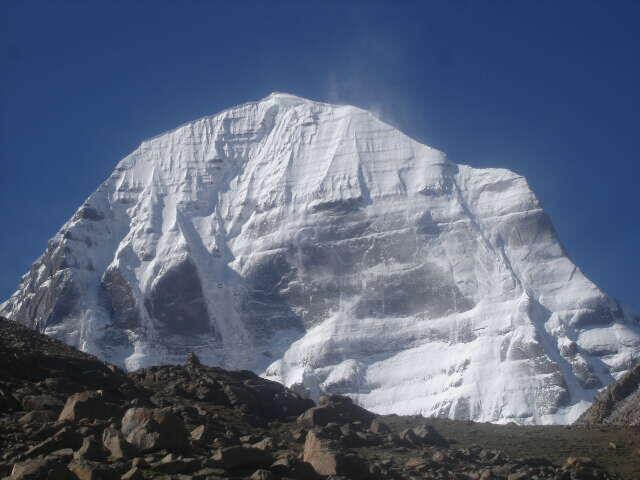
Adi Kailash, also known as Chhota Kailash, is a sacred mountain located in the Indian state of Uttarakhand. Standing tall…

Yogdhyan Badri Temple FAQs

1. What is the Yogdhyan Badri Temple?

The Yogdhyan Badri Temple is a Hindu temple dedicated to Lord Vishnu, located in the village of Pandukeshwar in the Chamoli district of Uttarakhand, India. It is one of the five Badri temples in the region.

2. Where is the Yogdhyan Badri Temple located?

The temple is situated in Pandukeshwar, approximately 23 kilometers from Joshimath, and about 36 kilometers from the Badrinath Temple. It is accessible via a scenic drive from Joshimath.

3. What is the significance of the Yogdhyan Badri Temple?

The temple is dedicated to Lord Vishnu and is believed to be the site where Lord Vishnu meditated in his yogic form. It holds religious significance as one of the five Badri temples associated with the Pandava brothers from the Mahabharata.

4. How do I reach Yogdhyan Badri Temple from Joshimath?

You can reach the temple by road from Joshimath. It is a drive of approximately 23 kilometers, and local taxis or private vehicles can be hired for the journey.

5. What should I carry when visiting Yogdhyan Badri Temple?

Carry comfortable walking shoes, warm clothing (as temperatures can be low), and any offerings if you plan to participate in rituals. Also, bring water and snacks for the journey.

6. Are there accommodation options near Yogdhyan Badri Temple?

Accommodation is available in Joshimath, which is the nearest major town to Pandukeshwar. Joshimath offers various lodging options, from budget guesthouses to mid-range hotels.

7. Are there any specific rituals or practices at the Yogdhyan Badri Temple?

Visitors often offer prayers and participate in traditional rituals. Local priests can guide you on specific practices and ceremonies held at the temple.

8. When is the best time to visit the Yogdhyan Badri Temple?

The best time to visit is between May and October, when the weather is pleasant and conducive for travel. The winter months can be cold, with possible snowfall, making travel challenging.

9. Are there any entry fees or permits required to visit the Yogdhyan Badri Temple?

No special permits or entry fees are required to visit the temple. However, it’s always a good idea to check with local authorities or temple management for any recent updates.

10. What other attractions are near Yogdhyan Badri Temple?
  • Badrinath Temple: A major pilgrimage site dedicated to Lord Vishnu.
  • Pandukeshwar Temple: Another important temple near Yogdhyan Badri.
  • Joshimath: Known for its scenic beauty and as a base for various treks.
Adi Kailash Aadi Kailash

Adi Kailash

Adi Kailash, also known as Chhota Kailash, is a sacred mountain located in the Indian state of Uttarakhand. Standing tall…

Brahma Kapal FAQs

1. What is Brahma Kapal?

Brahma Kapal is a sacred site located near the Badrinath Temple in Uttarakhand, India. It is an important pilgrimage spot where Hindus perform rituals and ceremonies for their deceased ancestors. The site is associated with the rites of Shraddha and Tarpan.

2. Where is Brahma Kapal located?

Brahma Kapal is situated in Badrinath, a prominent pilgrimage town in the Chamoli district of Uttarakhand. It is located near the banks of the Alaknanda River, not far from the Badrinath Temple.

3. What is the significance of Brahma Kapal?

The site is believed to be a place where Brahma, the creator god in Hindu mythology, performed rituals for his ancestors. It is considered auspicious for performing rites and ceremonies to honor and seek blessings for deceased relatives.

4. How do I reach Brahma Kapal from Badrinath Temple?

Brahma Kapal is a short walk from the Badrinath Temple. It is easily accessible, and local guides or signage can help direct visitors to the site.

5. What rituals are performed at Brahma Kapal?

Pilgrims perform rituals like Shraddha and Tarpan at Brahma Kapal to offer respect and prayers for their deceased ancestors. These rituals are believed to bring peace to the souls of the departed and seek blessings for the family.

6. What should I carry when visiting Brahma Kapal?

Carry comfortable walking shoes, warm clothing (as temperatures can be low), and any necessary items for performing rituals (such as offerings). It’s also useful to have some water and basic toiletries.

7. Is there any accommodation available near Brahma Kapal?

Accommodation is available in Badrinath, which is the nearest town to Brahma Kapal. There are various hotels and lodges ranging from budget to mid-range options.

8. Are there any specific guidelines for performing rituals at Brahma Kapal?

It is advisable to follow the guidance of local priests or pandits for performing the rituals. They can provide instructions on the proper procedures and necessary offerings.

9. When is the best time to visit Brahma Kapal?

The best time to visit is between May and October, when the weather is pleasant and the pilgrimage routes are accessible. The temple and its surroundings can be quite cold and challenging to visit during the winter months.

10. What other attractions are near Brahma Kapal?

Nearby attractions include:

  • Badrinath Temple: A major pilgrimage site dedicated to Lord Vishnu.
  • Panch Dhara: The Five Springs, considered sacred.
  • Mana Village: Known as the last Indian village before the Tibetan border.
  • Tapt Kund: Natural hot springs near the Badrinath Temple.
Adi Kailash Aadi Kailash

Adi Kailash

Adi Kailash, also known as Chhota Kailash, is a sacred mountain located in the Indian state of Uttarakhand. Standing tall…

Panch Dhara and Panch Shila FAQs

  1. What is Panch Shila?

Panch Shila refers to a group of five sacred stones or rock formations near the Badrinath Temple, each with religious significance. These stones are considered to be imbued with divine energy and are visited by pilgrims seeking blessings.

2. Where is Panch Shila located?

Panch Shila is situated near the Badrinath Temple in Uttarakhand. It is accessible from the temple area, with local guides available to help visitors find the site.

3. What is the significance of Panch Shila?

Each of the five stones in Panch Shila is associated with a specific deity or divine attribute. Pilgrims visit these stones to offer prayers and seek spiritual blessings.

4. How do I reach Panch Shila from Badrinath Temple?

Panch Shila is a short distance from the Badrinath Temple. You can walk to the site from the temple, and local directions or guides can assist in locating it.

5. What should I carry when visiting Panch Shila?

Carry comfortable walking shoes, warm clothing, and some water. It is also advisable to bring basic toiletries and a camera if you wish to capture the visit.

6. Is there accommodation available near Panch Shila?

Accommodation is available in Badrinath, which is the nearest town to Panch Shila. There are various options ranging from budget to mid-range hotels.

7. Are there any specific rituals or practices at Panch Shila?

Pilgrims typically offer prayers and perform rituals at the sacred stones. It is common to circumambulate the stones and offer offerings as part of the visit.

8. When is the best time to visit Panch Shila?

The ideal time to visit is between May and October, when the weather is favorable for travel and exploration in the region.

9. Are there any entry fees or permits required?

No special permits or entry fees are required to visit Panch Shila. However, it’s a good idea to confirm with local authorities for any updated information.

10. What other attractions are near Panch Shila?

Nearby attractions include the Badrinath Temple, Panch Dhara (Five Springs), and Mana Village.

Adi Kailash Aadi Kailash

Adi Kailash

Adi Kailash, also known as Chhota Kailash, is a sacred mountain located in the Indian state of Uttarakhand. Standing tall…

Contact Us