Tapta Kund FAQs

  1. What is Tapta Kund?

Tapta Kund is a natural hot spring located near the Badrinath Temple. It is believed to have therapeutic properties and is a sacred site for pilgrims who visit Badrinath.

  1. Where is Tapta Kund located?

Tapta Kund is situated about 1 kilometer from the Badrinath Temple, in the Chamoli district of Uttarakhand, India. It is a short walk or drive from the temple complex.

  1. How do I reach Tapta Kund?

By Air: Fly into Jolly Grant Airport in Dehradun and travel to Joshimath. From Joshimath, proceed to Badrinath by road.
By Train: Take a train to Haridwar or Rishikesh, then travel to Joshimath and onward to Badrinath.
By Road: Drive or take a bus from major cities like Dehradun or Haridwar to Joshimath, then continue to Badrinath. Tapta Kund is a short distance from the Badrinath Temple.

  1. What is the best time to visit Tapta Kund?

The best time to visit Tapta Kund is between May and October when the weather is favorable. The Badrinath Temple and Tapta Kund are generally closed during the winter months due to heavy snowfall.

  1. Is there an entry fee for Tapta Kund?

There is no entry fee for visiting Tapta Kund. It is a natural hot spring and access is free, though you might need to follow local customs and regulations.

  1. What should I wear when visiting Tapta Kund?

Wear comfortable clothing and carry a towel if you plan to bathe. The hot springs can be very warm, so it’s advisable to dress in layers and be prepared for varying temperatures.

  1. Are there any facilities available at Tapta Kund?

Facilities near Tapta Kund are basic. There are no changing rooms or showers, so it’s best to come prepared if you plan to bathe. Basic amenities and facilities can be found at or near the Badrinath Temple.

  1. What are the cultural and religious significance of Tapta Kund?

Tapta Kund is considered sacred and is believed to have purifying and healing properties. Pilgrims visit the hot springs to take a ritual bath before proceeding to the Badrinath Temple. The hot springs are also linked to ancient legends and are an integral part of the pilgrimage experience in Badrinath.

  1. Can I take a bath in Tapta Kund?

Yes, visitors can take a bath in the hot springs. The water is naturally hot and believed to have therapeutic benefits. Be mindful of the temperature, as the water can be quite hot.

  1. What other attractions are near Tapta Kund?

Badrinath Temple: The main pilgrimage site and a major Hindu temple dedicated to Lord Vishnu.
Sheshnetra: A rock formation near Badrinath that is believed to resemble the eye of Sheshnag (a serpent deity associated with Vishnu).
Mana Village: The last village on the Indian side before the Tibetan border, known for its cultural and historical significance.

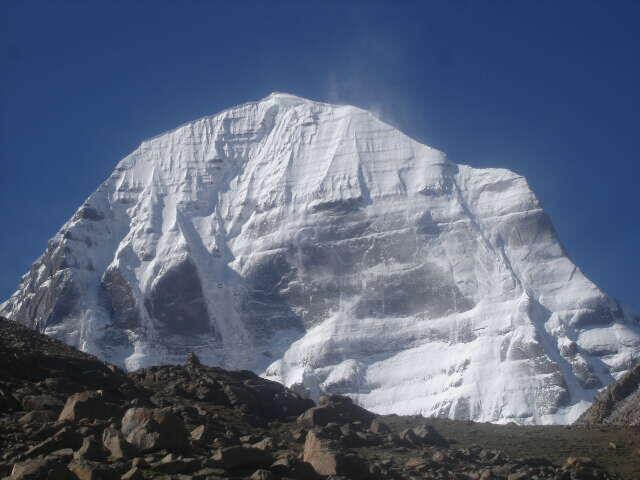
Adi Kailash Aadi Kailash

Adi Kailash

Adi Kailash, also known as Chhota Kailash, is a sacred mountain located in the Indian state of Uttarakhand. Standing tall…
Mata Murti Temple FAQs

  1. What is Mata Murti Temple?

Mata Murti Temple is dedicated to Mata Murti, the mother of the Hindu deity Badrinath. It is a revered shrine located near the confluence of the Alaknanda and Saraswati rivers.

  1. Where is Mata Murti Temple located?

The temple is situated about 3 kilometers from Mana Village in the Chamoli district of Uttarakhand, India. It is easily accessible from Mana Village.

  1. How do I reach Mata Murti Temple?

By Air: Fly into Jolly Grant Airport in Dehradun. From there, travel to Joshimath and then to Mana Village. The temple is a short distance from Mana Village.
By Train: Take a train to Haridwar or Rishikesh and travel to Joshimath. From Joshimath, continue to Mana Village.
By Road: Drive or take a bus from major cities like Dehradun or Haridwar to Joshimath and then proceed to Mana Village.

  1. What is the best time to visit Mata Murti Temple?

The best time to visit is between May and October when the weather is pleasant. Winter can be harsh, with snow and cold temperatures making travel difficult.

  1. Is there an entry fee for Mata Murti Temple?

There is no entry fee to visit Mata Murti Temple. It is a place of worship and access is free.

  1. What should I wear when visiting Mata Murti Temple?

Dress modestly and comfortably. Since the temple is at a higher altitude, wearing warm clothing is advisable, especially if visiting during cooler months.

  1. Are there any local guides available for visiting Mata Murti Temple?

Local guides are often available in Mana Village and can provide insights into the temple’s history and significance.

  1. What other attractions are near Mata Murti Temple?

Badrinath Temple: Located further up the valley, it is one of the Char Dham pilgrimage sites.
Vyas Gufa: A cave associated with sage Vyasa.
Bhim Pul: A natural rock bridge over the Saraswati River.

  1. Are there facilities near Mata Murti Temple?

Facilities are minimal near the temple. It’s a good idea to carry essentials like water and snacks. Basic amenities can be found in Mana Village.

  1. What is the cultural significance of Mata Murti Temple?

Mata Murti Temple holds cultural significance as it is dedicated to the mother of Lord Badrinath, a key deity in Hinduism. It is a place of pilgrimage and devotion for many Hindus.

Adi Kailash Aadi Kailash

Adi Kailash

Adi Kailash, also known as Chhota Kailash, is a sacred mountain located in the Indian state of Uttarakhand. Standing tall…

Vyas Cave FAQs

  1. What is Vyas Gufa?

Vyas Gufa is a cave believed to be where the sage Vyasa is said to have written the Mahabharata, one of the great Indian epics. It holds significant religious and cultural importance.

  1. Where is Vyas Gufa located?

Vyas Gufa is located near Mana Village in the Chamoli district of Uttarakhand, India. It is approximately 1 kilometer from Mana Village.

  1. How do I reach Vyas Gufa?

By Air: Fly into Jolly Grant Airport in Dehradun and travel to Joshimath. From Joshimath, proceed to Mana Village by taxi or bus.
By Train: Take a train to Haridwar or Rishikesh, then travel to Joshimath and onward to Mana Village.
By Road: Drive or take a bus to Joshimath, then continue to Mana Village. Vyas Gufa is a short walk from the village.

  1. What is the best time to visit Vyas Gufa?

The best time to visit is between May and October when the weather is pleasant and suitable for travel. Winter can be cold and snowy, making travel difficult.

  1. Is there an entry fee for Vyas Gufa?

There is no entry fee for visiting Vyas Gufa. It is a natural and sacred site, and access is generally free.

  1. What should I wear when visiting Vyas Gufa?

Wear comfortable walking shoes and dress in layers to accommodate changing temperatures. The cave area can be cool, so a light jacket or sweater is advisable.

  1. Are there any local guides available for visiting Vyas Gufa?

Yes, local guides can be hired in Mana Village. They can provide insights into the cave’s historical and religious significance.

  1. What other attractions are near Vyas Gufa?

Bhim Pul: A natural rock bridge over the Saraswati River.
Ganesh Gufa: A nearby cave dedicated to Lord Ganesh.
Saraswati River: Known for its scenic beauty.

  1. Are there facilities near Vyas Gufa?

Facilities near Vyas Gufa are limited. It’s advisable to carry essentials like water and snacks. Basic amenities can be found in Mana Village.

  1. What is the cultural significance of Vyas Gufa?

Vyas Gufa is culturally significant as it is associated with the sage Vyasa, who is revered for his role in composing the Mahabharata. The site is considered sacred by pilgrims and visitors.

Adi Kailash Aadi Kailash

Adi Kailash

Adi Kailash, also known as Chhota Kailash, is a sacred mountain located in the Indian state of Uttarakhand. Standing tall…

Bheem Pul FAQs

  1. What is Bheem Pul?

Bheem Pul is a natural rock bridge that spans the Saraswati River. According to local legend and the Mahabharata, it is believed to have been created by Bhima, one of the Pandava brothers, to help his wife Draupadi cross the river.

  1. Where is Bheem Pul located?

Bheem Pul is situated near Mana Village in the Chamoli district of Uttarakhand, India. It is approximately 1 kilometer from the village, making it easily accessible for visitors.

  1. How do I reach Bheem Pul?

By Air: Fly into Jolly Grant Airport in Dehradun and then take a taxi or bus to Joshimath. From Joshimath, you can travel by taxi or bus to Mana Village.
By Train: Take a train to Haridwar or Rishikesh, and then proceed to Joshimath by road. From Joshimath, travel to Mana Village and then to Bheem Pul.
By Road: Drive or take a bus from major cities like Dehradun or Haridwar to Joshimath, then continue to Mana Village. Bheem Pul is a short trek from Mana Village.

  1. What is the significance of Bheem Pul?

Bheem Pul holds both cultural and historical significance. It is associated with the Mahabharata, one of the major Indian epics, and is considered a sacred site by locals and pilgrims. The rock bridge symbolizes strength and the heroic deeds of Bhima.

  1. What is the best time to visit Bheem Pul?

The best time to visit Bheem Pul is between May and October when the weather is pleasant and conducive for travel and trekking. The winter months can be harsh, with heavy snowfall and extreme cold temperatures.

  1. Are there any entry fees to visit Bheem Pul?

There are no entry fees for visiting Bheem Pul. It is a natural landmark and does not have an official entry fee. However, donations to local temples or organizations are often appreciated.

  1. What should I wear when visiting Bheem Pul?

Wear comfortable trekking shoes, warm clothing (especially if visiting during cooler months), and carry a hat and sunscreen. The area can be windy and chilly, even during the day, so dress in layers.

  1. Are there any local guides available for visiting Bheem Pul?

Local guides are often available in Mana Village and can provide information about the area, its significance, and the best routes to take. Hiring a guide can enhance your experience and provide deeper insights into the cultural and historical context of Bheem Pul.

  1. What other attractions are near Bheem Pul?

Vyas Gufa (Cave): Believed to be the place where sage Vyasa wrote the Mahabharata.
Ganesh Gufa (Cave): A cave dedicated to Lord Ganesh, located close to Vyas Gufa.
Saraswati River: The river flowing beneath Bheem Pul is known for its serene and picturesque beauty.

  1. Are there any facilities available near Bheem Pul?

Facilities near Bheem Pul are minimal. It’s advisable to carry essentials like water, snacks, and a first-aid kit. The nearest amenities, including food and lodging, are in Mana Village.

Adi Kailash Aadi Kailash

Adi Kailash

Adi Kailash, also known as Chhota Kailash, is a sacred mountain located in the Indian state of Uttarakhand. Standing tall…

Mana Village FAQs

  1. Where is Mana Village located?

Mana Village is situated in the Chamoli district of Uttarakhand, India, close to the Indo-Tibetan border. It is located approximately 24 kilometers from the town of Joshimath and is often referred to as the last village on the Indian side before the Tibetan border.

  1. How do I reach Mana Village?

To reach Mana Village:
By Air:
The nearest airport is Jolly Grant Airport in Dehradun, about 300 kilometers away. From the airport, you can hire a taxi or take a bus to Joshimath and then proceed to Mana Village.
By Train: The nearest major railway station is in Haridwar or Rishikesh. From there, you can take a taxi or bus to Joshimath.
By Road: Mana Village is accessible by road from Joshimath. You can hire a taxi or take a local bus to reach the village.

  1. What is the best time to visit Mana Village?

The best time to visit Mana Village is between May and October. During this period, the weather is pleasant, making it ideal for sightseeing and trekking. The winter months (November to April) can be very cold, and heavy snowfall may block access to the village.

  1. What are the key attractions in Mana Village?

Vyas Gufa (Cave): Believed to be the place where the sage Vyasa wrote the Mahabharata.
Ganesh Gufa (Cave): A cave dedicated to Lord Ganesh, located close to Vyas Gufa.
Bhim Pul: A natural rock bridge over the Saraswati River, which is said to have been built by Bhima from the Mahabharata.
Saraswati River: Known for its scenic beauty and spiritual significance.

  1. Is Mana Village a good destination for trekking?

Yes, Mana Village is a popular starting point for several trekking routes. The village is the gateway to the Valley of Flowers National Park and Hemkund Sahib, both of which are significant trekking destinations in the region.

  1. What kind of accommodation is available in Mana Village?

Accommodation in Mana Village is relatively basic. There are a few guesthouses and lodges that provide a comfortable stay. For more luxurious options, you might need to stay in Joshimath and travel to Mana Village during the day.

  1. Are there any local customs or festivals in Mana Village?

Mana Village is known for its vibrant local culture and traditions. The village celebrates various festivals with traditional rituals and events. Important festivals include Holi, Diwali, and local fairs that reflect the rich cultural heritage of the region.

  1. Do I need any permits to visit Mana Village?

No special permits are required to visit Mana Village itself. However, if you plan to trek beyond the village to areas like the Valley of Flowers or Hemkund Sahib, you may need special permits or permissions from the forest department or local authorities.

  1. What is the local cuisine like in Mana Village?

The local cuisine of Mana Village includes traditional Garhwali dishes such as rice, dal (lentils), aloo (potatoes), and seasonal vegetables. The food is simple, nutritious, and reflects the local culinary traditions.

  1. Are there any ATMs or medical facilities in Mana Village?

Facilities in Mana Village are quite basic. There are no ATMs in the village, so it’s advisable to carry sufficient cash from Joshimath. Basic medical facilities are available, but for serious medical issues, you would need to travel to Joshimath or a larger town.

Adi Kailash Aadi Kailash

Adi Kailash

Adi Kailash, also known as Chhota Kailash, is a sacred mountain located in the Indian state of Uttarakhand. Standing tall…

Adi Badri FAQs

  1. Where is Adi Badri located?

Adi Badri is located in the Chamoli district of Uttarakhand, India. It is situated about 17 kilometers from the town of Karnprayag and is part of the Badri-Vishal pilgrimage circuit.

2. What is Adi Badri known for?

Adi Badri is known for its ancient temple dedicated to Lord Vishnu. It is considered one of the five Badri temples and is revered for its historical significance as a site where Lord Vishnu is said to have been worshipped from ancient times.

3. How can I reach Adi Badri?

To reach Adi Badri, travel to Karnprayag first. From Karnprayag, you can hire a taxi or take local transportation to Adi Badri. The temple is accessible by road from Karnprayag.

4. What is the best time to visit Adi Badri?

The best time to visit Adi Badri is from April to November. During these months, the weather is pleasant and suitable for travel. Winter can be cold, and the monsoon season may bring heavy rains, which can affect travel conditions.

5. What are the main attractions at Adi Badri?

The main attraction is the Adi Badri Temple, which houses an idol of Lord Vishnu. The site is known for its historical and spiritual significance, and it is part of the revered Badri pilgrimage circuit.

6. Are there accommodations near Adi Badri?

Accommodations are available in Karnprayag, which is the nearest town to Adi Badri. You can find various hotels, guesthouses, and lodges in Karnprayag. For more options, you might need to stay in nearby towns like Rudraprayag.

7. What facilities are available at Adi Badri?

Facilities at Adi Badri are basic. The temple provides minimal amenities, so it is advisable to carry your own supplies, including food and water. For more comprehensive facilities, you may need to rely on accommodations in Karnprayag.

8. What kind of climate does Adi Badri experience?

Adi Badri has a temperate climate. Summers are mild and pleasant, while winters can be quite cold with possible snowfall. The monsoon season can bring moderate to heavy rains.

9. Is Adi Badri safe for tourists?

Adi Badri is generally safe for tourists. However, as it is located in a hilly region, it’s important to take standard travel precautions and be prepared for local weather and terrain conditions.

10. What should I pack for a trip to Adi Badri?

Pack for varying weather conditions. Essentials include warm clothing, comfortable walking shoes, rain gear, and personal medications. Also, carry enough water, snacks, and a basic first aid kit.

Adi Kailash Aadi Kailash

Adi Kailash

Adi Kailash, also known as Chhota Kailash, is a sacred mountain located in the Indian state of Uttarakhand. Standing tall…

Dhyan Badri FAQs

  1. Where is Dhyan Badri located?

Dhyan Badri is situated in the village of Saneh, near the town of Joshimath in the Chamoli district of Uttarakhand, India. It is part of the Badri-Vishal pilgrimage circuit.

2. What is Dhyan Badri known for?

Dhyan Badri is known for its ancient temple dedicated to Lord Vishnu. It is considered one of the five Badri temples and is revered for its spiritual significance. The temple is noted for its tranquil environment and is associated with the meditation practices of the deity.

3. How can I reach Dhyan Badri?

To reach Dhyan Badri, travel to Joshimath first. From Joshimath, you can take a local taxi or trek to the village of Saneh. The temple is accessible by a short trek from the village.

4. What is the best time to visit Dhyan Badri?

The best time to visit Dhyan Badri is from April to November. During these months, the weather is favorable for travel and trekking. Winter can bring heavy snowfall, and the monsoon season may affect accessibility.

5. What are the main attractions at Dhyan Badri?

The main attraction is the Dhyan Badri Temple, dedicated to Lord Vishnu. The temple is known for its peaceful setting and spiritual ambiance. It is also part of the larger Badri pilgrimage circuit, which includes other significant temples.

6. Are there accommodations near Dhyan Badri?

Accommodations are available in Joshimath, which is the nearest major town. You can find various hotels, guesthouses, and lodges in Joshimath. Basic lodging options may also be available near the temple.

7.What kind of climate does Dhyan Badri experience?

Dhyan Badri experiences a temperate climate. Summers are mild and pleasant, while winters can be cold with snowfall. The monsoon season can bring heavy rains, which might impact travel conditions.

8. Are there any local festivals or events at Dhyan Badri?

Local festivals and events related to Hindu religious practices are observed at Dhyan Badri. Significant festivals include Vishnu Jayanti and other regional Hindu celebrations, which see increased pilgrim activity.

9. Is Dhyan Badri safe for tourists?

Dhyan Badri is generally safe for tourists. However, as it is located in a hilly area, it’s important to take standard travel precautions and be prepared for local weather and terrain conditions.

10. What should I pack for a trip to Dhyan Badri?

Pack for varied weather conditions. Essentials include warm clothing, comfortable walking shoes, rain gear, and personal medications. Also, carry sufficient water, snacks, and a basic first aid kit.

Adi Kailash Aadi Kailash

Adi Kailash

Adi Kailash, also known as Chhota Kailash, is a sacred mountain located in the Indian state of Uttarakhand. Standing tall…

Bhavishya Badri FAQs

  1. Where is Bhavishya Badri located?

Bhavishya Badri is located in the Chamoli district of Uttarakhand, India, near the village of Subain. It is situated at an elevation of about 2,744 meters (9,003 feet) above sea level, and is part of the Badri-Vishal pilgrimage circuit.

2. What is Bhavishya Badri known for?

Bhavishya Badri is known for its temple dedicated to Lord Vishnu. It is considered one of the five Badri temples and is revered for its spiritual significance. The temple is believed to be a future place of worship for devotees when the other Badri temples become inaccessible due to adverse conditions.

3. How can I reach Bhavishya Badri?

To reach Bhavishya Badri, travel to Joshimath first. From Joshimath, you can reach the village of Subain by taxi or local transport, and then trek about 10 kilometers (6 miles) to the temple. The trek is moderate and takes approximately 4-6 hours.

4. What is the best time to visit Bhavishya Badri?

The best time to visit Bhavishya Badri is from May to November. The weather is pleasant and conducive for trekking and travel during these months. Winter can bring heavy snowfall, making the trek challenging.

5. What are the main attractions at Bhavishya Badri?

The main attraction is the Bhavishya Badri Temple, which houses a deity of Lord Vishnu. The temple is situated in a serene, high-altitude location with panoramic views of the surrounding mountains.

6. Are there accommodations near Bhavishya Badri?

Accommodations are available in Joshimath, which is the nearest major town. You can find hotels, guesthouses, and lodges in Joshimath. For stays close to the trekking route, basic lodging or camping options may be available in Subain.

7. What facilities are available at Bhavishya Badri?

Facilities at Bhavishya Badri are minimal. The temple provides basic amenities, but it’s advisable to carry your own supplies, including food and water. For more extensive amenities, you’ll need to rely on facilities in Joshimath.

8. What kind of climate does Bhavishya Badri experience?

Bhavishya Badri has a high-altitude alpine climate. Summers are mild and pleasant, while winters are cold with heavy snowfall. The monsoon season can bring heavy rains, which may affect travel conditions.

9. Is Bhavishya Badri safe for tourists?

Bhavishya Badri is generally safe for tourists, but the high-altitude trek requires good physical condition and acclimatization. Be prepared for changing weather conditions and ensure you have proper gear for the trek.

10. What should I pack for a trip to Bhavishya Badri?

Pack for varying weather conditions. Essentials include warm clothing, sturdy trekking shoes, rain gear, high-altitude medications, and personal supplies. Also, carry enough water, snacks, and a basic first aid kit.

Adi Kailash Aadi Kailash

Adi Kailash

Adi Kailash, also known as Chhota Kailash, is a sacred mountain located in the Indian state of Uttarakhand. Standing tall…

Ardh Badri FAQs

  1. Where is Ardh Badri located?

Ardh Badri is located in the village of Dungri, which is near the town of Joshimath in the Chamoli district of Uttarakhand, India. It is part of the Badri-Vishal pilgrimage circuit.

2. What is Ardh Badri known for?

Ardh Badri is known for its ancient temple dedicated to Lord Vishnu. It is considered one of the five Badri temples and is revered as a significant pilgrimage site, especially for those undertaking the Badri pilgrimage circuit.

3. How can I reach Ardh Badri?

To reach Ardh Badri, you first travel to Joshimath. From there, you can take a local taxi or a bus to the village of Dungri. The temple is a short walk from the village.

4. What is the best time to visit Ardh Badri?

The best time to visit Ardh Badri is from April to November. During these months, the weather is pleasant and suitable for travel. The temple may be difficult to access during the winter due to snow and cold temperatures.

5. What are the main attractions at Ardh Badri?

The main attraction is the Ardh Badri Temple, which houses a deity of Lord Vishnu. The temple is known for its serene environment and its role in the Badri pilgrimage circuit.

6. Are there accommodations near Ardh Badri?

Accommodations are available in Joshimath, which is the nearest major town to Ardh Badri. You can find various hotels, guesthouses, and lodges in Joshimath. Basic lodging options may also be available in the nearby villages.

7. What facilities are available at Ardh Badri?

Facilities at Ardh Badri are basic. The temple provides minimal amenities, so it is advisable to carry your own essentials. For more comprehensive facilities, you may need to stay in Joshimath.

8. What kind of climate does Ardh Badri experience?

Ardh Badri has a temperate climate. Summers are mild and pleasant, while winters can be cold with snowfall. The monsoon season can bring heavy rains, which might affect travel conditions.

9. Is Ardh Badri safe for tourists?

Ardh Badri is generally safe for tourists. However, given its location in the hills, it’s important to take standard travel precautions and be prepared for local weather conditions and terrain.

10. What should I pack for a trip to Ardh Badri?

Pack for varying weather conditions. Essentials include warm clothing, comfortable walking shoes, rain gear, and personal medications. Also, carry items like water, snacks, and a basic first aid kit.

Adi Kailash Aadi Kailash

Adi Kailash

Adi Kailash, also known as Chhota Kailash, is a sacred mountain located in the Indian state of Uttarakhand. Standing tall…

Vriddha Badri FAQs

  1. Where is Vriddha Badri located?

Vriddha Badri, also known as “Vridha Badri,” is located in the Chamoli district of Uttarakhand, India. It is situated in the village of Animath, which is approximately 8 kilometers from Joshimath.

2. What is Vriddha Badri known for?

Vriddha Badri is one of the ancient temples dedicated to Lord Vishnu. It is considered one of the five Badri temples associated with the Badri-Vishal pilgrimage circuit. The temple is revered for its historical significance and is believed to be the oldest of the Badri shrines.

3. How can I reach Vriddha Badri?

To reach Vriddha Badri, you need to travel to Joshimath first. From Joshimath, you can take a local taxi or walk the remaining distance to the temple. The approach is relatively straightforward from Joshimath.

4. What is the best time to visit Vriddha Badri?

The best time to visit Vriddha Badri is from April to November. During these months, the weather is pleasant and conducive for travel. The temple can be challenging to access during the winter months due to snow and cold weather.

5. What are the main attractions at Vriddha Badri?

The main attraction is the ancient temple itself, which houses a deity of Lord Vishnu in a traditional form. The temple offers a peaceful environment and views of the surrounding landscape.

6. Are there accommodations near Vriddha Badri?

Accommodations are available in Joshimath, which is the nearest major town to Vriddha Badri. You can find hotels, guesthouses, and lodges in Joshimath. Basic accommodation options are also available near the temple.

7. What facilities are available at Vriddha Badri?

Facilities at Vriddha Badri are basic. The temple offers minimal amenities, so it’s advisable to carry your own essentials. For more comprehensive facilities, you may need to stay in Joshimath.

8. What kind of climate does Vriddha Badri experience?

Vriddha Badri has a temperate climate. Summers are mild and pleasant, while winters can be cold with potential snowfall. The monsoon season brings moderate to heavy rainfall, which can affect travel.

9. Is Vriddha Badri safe for tourists?

Vriddha Badri is generally safe for tourists. However, as it is located in a hilly region, it’s important to take standard travel precautions and be prepared for local weather conditions.

10. What should I pack for a trip to Vriddha Badri?

Pack for variable weather conditions. Essentials include warm clothing, comfortable walking shoes, rain gear, and personal medications. Also, carry items like water, snacks, and a basic first aid kit.

Adi Kailash Aadi Kailash

Adi Kailash

Adi Kailash, also known as Chhota Kailash, is a sacred mountain located in the Indian state of Uttarakhand. Standing tall…

Contact Us