Chandrabani Temple FAQs

1. Where is Chandrabani Temple located?

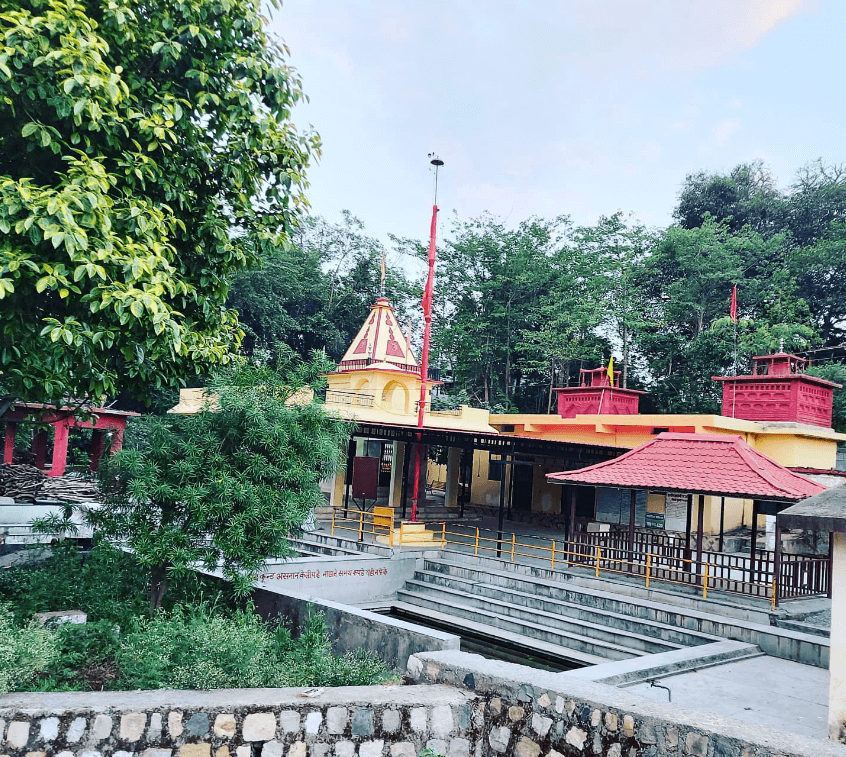
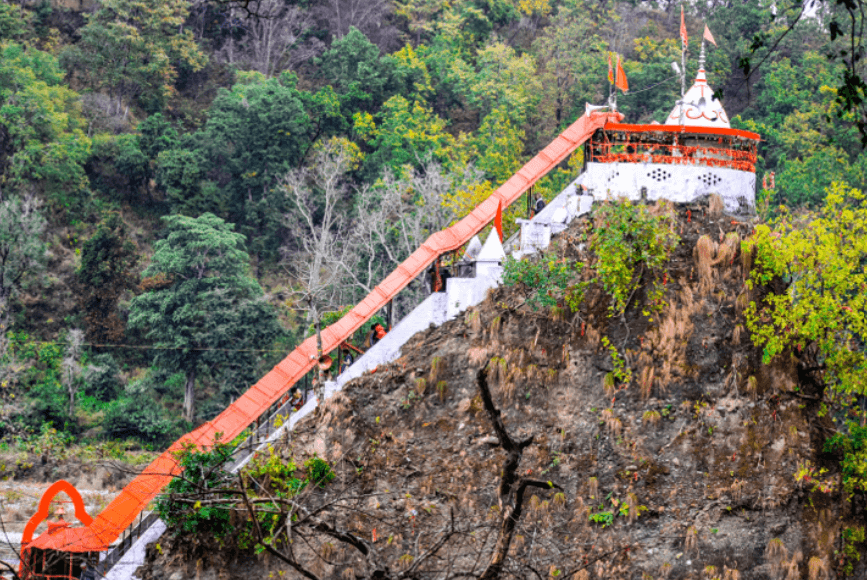
Chandrabani Temple is located in the Roorkee district of Uttarakhand, India. It is situated on the banks of the Ganges River, near the town of Roorkee.

2. Which deity is worshipped at Chandrabani Temple?

The temple is dedicated to Goddess Chandrabani, a form of the divine feminine energy. It is believed that the goddess is associated with wisdom and protection.

3. What is the significance of Chandrabani Temple?

The temple is considered a sacred site for devotees seeking blessings from Goddess Chandrabani. It is believed to be a place of spiritual significance and healing.

4. What are the temple timings?

The temple generally opens early in the morning and remains open until late in the evening. Specific timings can vary, so it’s a good idea to check locally or with temple authorities for current visiting hours.

5. Is there an entrance fee to visit the temple?

Typically, there is no entrance fee to visit the temple. However, donations are often welcomed and can be used for the upkeep of the temple.

6. Are there any special rituals or festivals celebrated at the temple?

Yes, the temple may host special rituals and festivals, particularly those dedicated to Goddess Chandrabani and other Hindu deities. Major Hindu festivals and local events may be celebrated with additional ceremonies and activities.

7. Is there accommodation available near the temple?

There are various accommodation options available in and around Roorkee, including hotels and guesthouses. It’s advisable to book in advance, especially during peak pilgrimage seasons.

8. How can I reach Chandrabani Temple?
  • By Road: Roorkee is well-connected by road, and the temple can be reached by hiring a taxi or using local transportation from Roorkee.
  • By Train: Roorkee has a railway station with connections to major cities. From the station, you can hire a taxi or take local transport to the temple.
  • By Air: The nearest airport is in Dehradun, from where you can take a taxi or bus to Roorkee and then to the temple.
9. Are there any specific dress codes or rules to follow when visiting the temple?

Visitors are generally expected to dress modestly. It’s customary to remove shoes before entering the temple premises and to maintain silence and respect within the temple area.

10. Can I perform special pujas or offer donations?

Yes, special pujas can often be arranged by contacting the temple authorities in advance. Donations are also accepted and can be made directly at the temple or through official channels if available.

Tehri Dam tehri tehri damtehri tehri dam

Tehri Dam

Tehri Dam is a massive dam located on the Bhagirathi River in the northern part of India. It’s one of…

Ghansali uttarakhand ghansali

Ghansali

Ghansali seems like a quaint little town nestled in the lap of nature, with its strategic location near the confluence…

Chamba uttarakhand chamba town

Chamba

Chamba and Tehri offer a serene and tranquil escape for nature lovers and adventure seekers alike. The lush green landscapes,…

Tehri Lake UTTARAKHAND TEHRI LAKE

Tehri Lake

Tehri Lake, also known as Tehri Dam Reservoir, is a large artificial reservoir located in the state of Uttarakhand in…
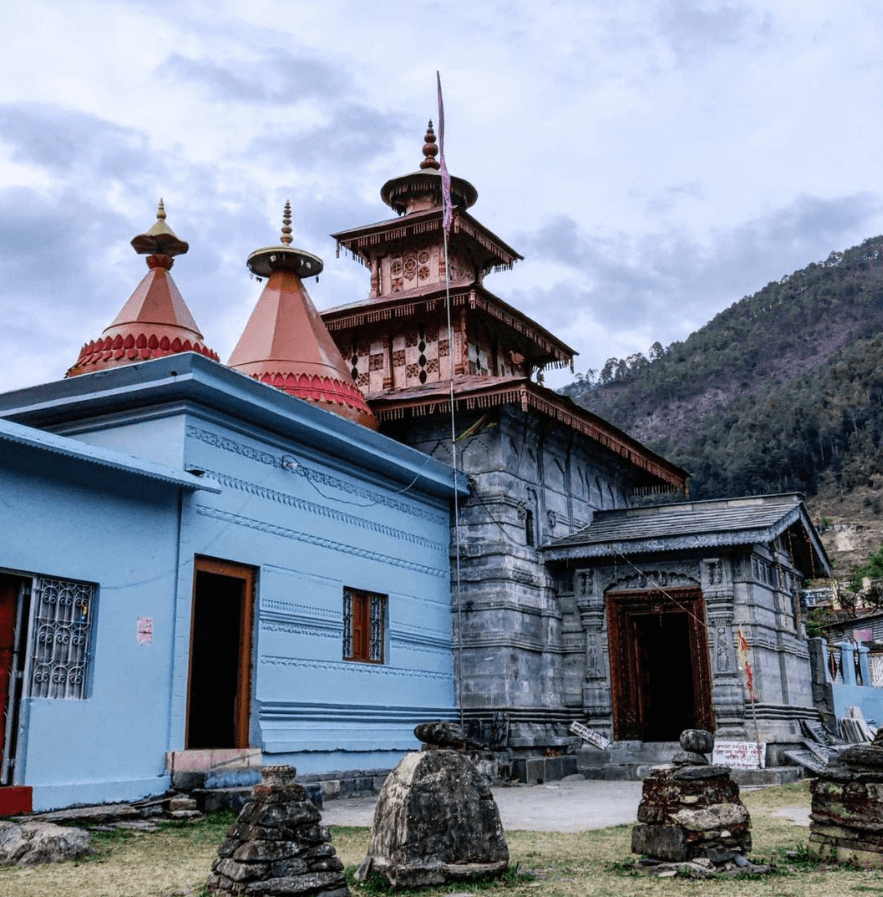
Budha Kedar BudhaKedar Temple, Tehri Garhwal,

Budha Kedar

Budha Kedar, located in Tehri Garhwal, Uttarakhand, is a sacred site dedicated to Lord Shiva. It is renowned for hosting…
Govind Wildlife Sanctuary FAQs

  1. Where is Govind Wildlife Sanctuary located?

Govind Wildlife Sanctuary is located in the Indian state of Uttarakhand. It is situated in the district of Uttarkashi, in the western part of the state.

  1. What is the best time to visit Govind Wildlife Sanctuary?

The best time to visit is between May and October. The weather during these months is pleasant, with clear skies and moderate temperatures. Avoid visiting during the monsoon season (July to September) due to heavy rainfall and potential landslides.

  1. What wildlife can be spotted in the sanctuary?

The sanctuary is home to a variety of wildlife, including the snow leopard, Himalayan tahr, musk deer, and several species of pheasants. You can also spot different kinds of birds and a diverse range of flora.

  1. Are there any trekking opportunities in Govind Wildlife Sanctuary?

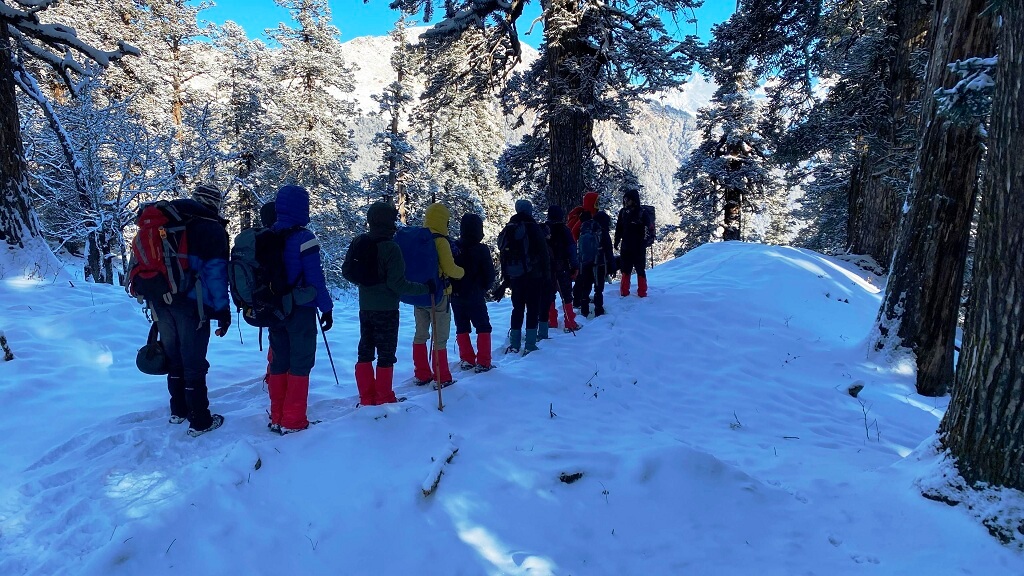
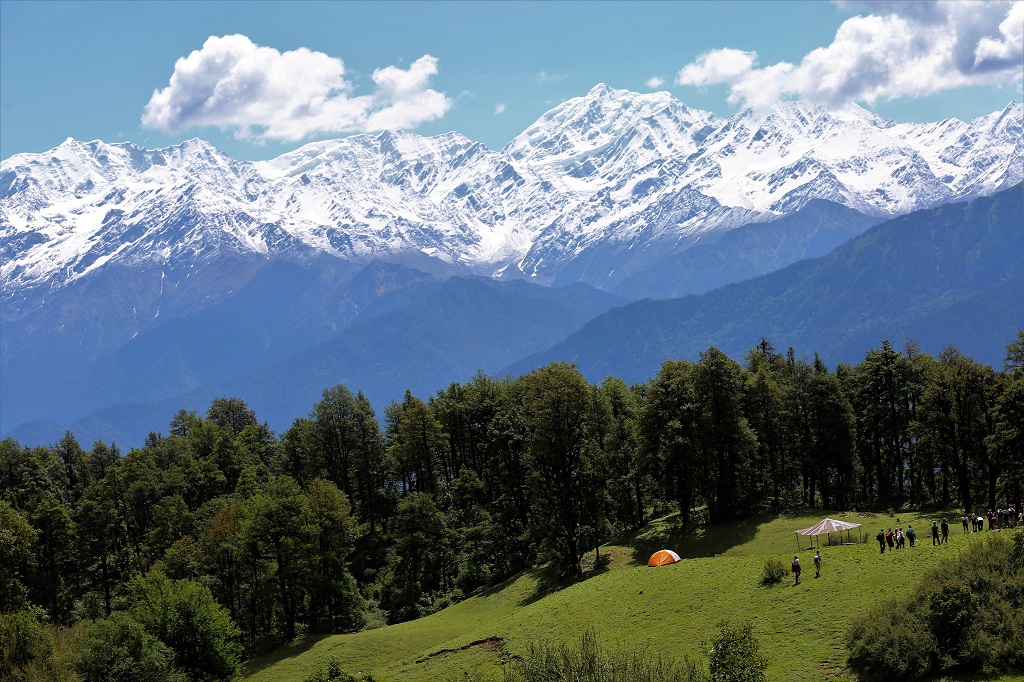
Yes, the sanctuary offers several trekking routes. Popular treks include the Har Ki Dun trek and the Ruinsara Lake trek. These treks offer stunning views of the Himalayas and opportunities to observe wildlife and unique flora.

  1. Is accommodation available within the sanctuary?

There are limited accommodation options within the sanctuary. Most visitors stay in nearby towns like Uttarkashi or base camps set up for trekking. It’s advisable to make bookings in advance, especially during the peak season.

  1. What permits are required to visit the sanctuary?

Visitors need to obtain a permit from the Forest Department to enter the sanctuary. It’s best to arrange this through a local tour operator or directly with the Forest Department office in Uttarkashi.

  1. Are there any guidelines or rules for visitors?

Yes, visitors are expected to follow several guidelines to ensure the protection of the wildlife and environment:

  • Maintain a safe distance from animals.
  • Do not litter or leave any waste behind.
  • Follow designated trails and paths.
  • Avoid making loud noises that could disturb wildlife.
  1. Can I hire a guide for the sanctuary?

Yes, hiring a local guide is recommended, especially if you are unfamiliar with the area. Guides can provide valuable information about the wildlife and help navigate the trails.

  1. What should I pack for a visit?

Pack appropriately for trekking and wildlife observation. Essential items include:

  • Warm clothing (layers are best as temperatures can vary).
  • Sturdy trekking shoes.
  • Binoculars and a camera.
  • Personal medications and a first aid kit.
  • Sun protection (sunscreen, hat, sunglasses).
  1. Is it safe to visit Govind Wildlife Sanctuary?

Generally, it is safe to visit, but it’s important to be aware of the natural conditions and wildlife. Always follow safety guidelines, be cautious of weather changes, and listen to the advice of local guides and officials.

Nelong Valley Nelong Valley uttarakhand

Nelong Valley

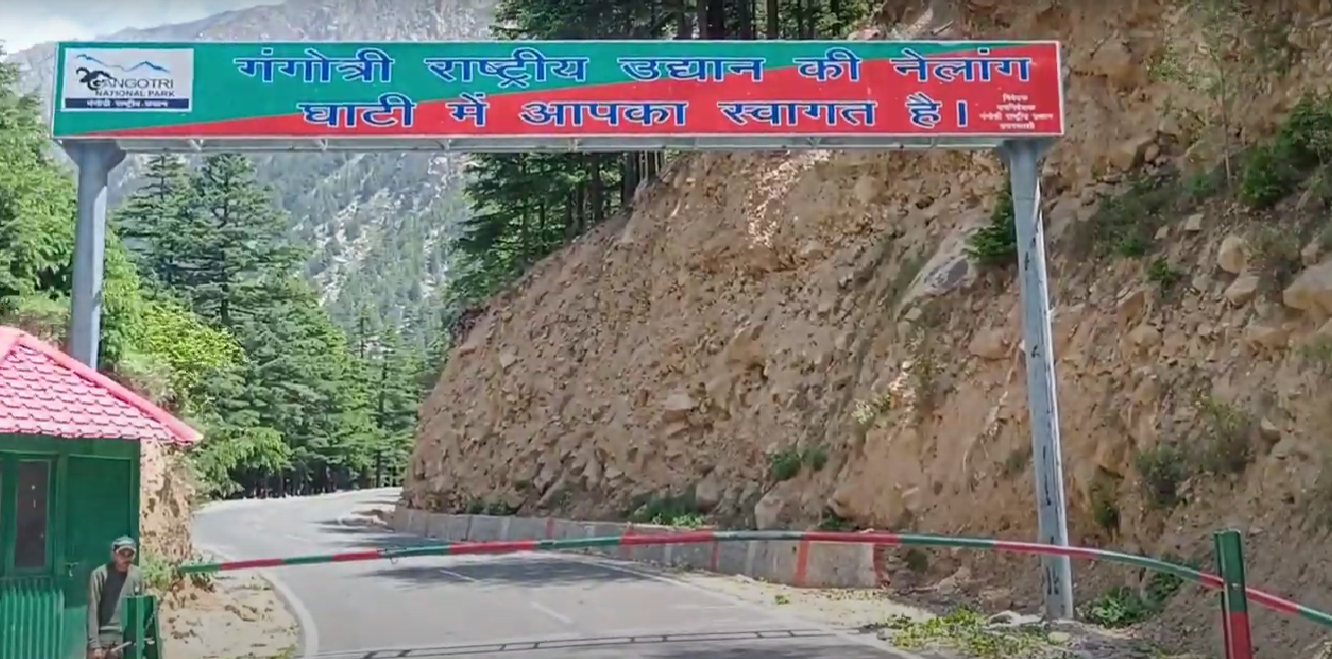
Nelong Valley, also known as the ‘Secret Hindustan,’ is a breathtaking and secluded valley located in the northeastern region of…

Harsil harshil valley

Harsil

Harsil is a picturesque village situated in the Uttarkashi district of Uttarakhand, India. Nestled amidst the breathtaking beauty of the…

Gangotri National Park FAQs

  1. What is Gangotri National Park?

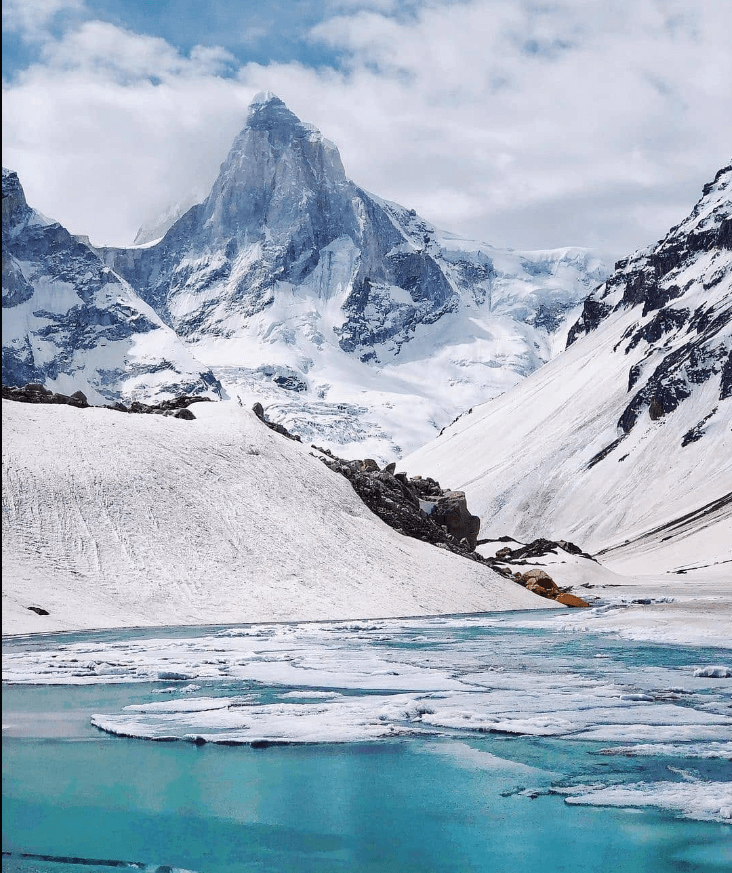
Gangotri National Park is a protected area located in the Uttarkashi district of Uttarakhand, India. It is known for its pristine landscapes, including glaciers, alpine meadows, and high-altitude wildlife.

  1. When was it established?

The park was established in 1989.

  1. What wildlife can be seen in Gangotri National Park?

Key species include:
Snow Leopard
Himalayan Musk Deer
Himalayan Tahr
Black Bear
Blue Sheep (Bharal)
Various species of birds, including the Himalayan Monal

  1. Are there any endangered species in the park?

Yes, the Snow Leopard and the Himalayan Musk Deer are among the endangered species found in the park.

  1. What types of vegetation are found in the park?

The park features a variety of vegetation types, including:
Alpine meadows
Coniferous forests
Birch and rhododendron forests
Glacial regions

  1. What are the visiting hours for Gangotri National Park?

The park is generally open from sunrise to sunset. However, access can be restricted during extreme weather conditions, so it’s best to check with local authorities.

  1. Is there an entry fee?

Yes, there is an entry fee for the park. The fee structure varies based on nationality and the type of visit. Confirm the current rates with the park office.

  1. Do visitors need permission to enter?

Yes, visitors need to obtain a permit from the Forest Department or park authorities before entering the park.

  1. Are there accommodation options available?

Accommodation is available in and around the park at places like Gangotri and nearby towns. Options include guesthouses, lodges, and camping facilities.

  1. What activities can visitors do in Gangotri National Park?

Activities include:
Trekking and hiking (e.g., Gaumukh Trek)
Wildlife viewing
Bird watching
Photography

  1. Are guided tours available?

Yes, guided tours are available and recommended for trekking and wildlife viewing. They help enhance the experience and ensure safety.

Nelong Valley Nelong Valley uttarakhand

Nelong Valley

Nelong Valley, also known as the ‘Secret Hindustan,’ is a breathtaking and secluded valley located in the northeastern region of…

Corbett National Park FAQs

  1. What is Corbett National Park?

Corbett National Park is a renowned wildlife sanctuary located in the Nainital district of Uttarakhand, India. It is one of the oldest and most famous national parks in India, known for its rich biodiversity and as a haven for the Bengal tiger.

  1. When was it established?

The park was established in 1936 as the Hailey National Park, and it was renamed Corbett National Park in 1957 in honor of the British hunter-turned-conservationist Jim Corbett.

  1. What wildlife can be seen in Corbett National Park?

The park is home to a wide variety of wildlife, including:
Bengal Tigers
Asiatic Elephants
Leopards
Sloth Bears
Sambar Deer
Various species of birds, such as the Great Hornbill and the Indian Peafowl

  1. Are there any endangered species in the park?

Yes, the Bengal Tiger is a key endangered species found in the park, and it is a major focus of conservation efforts.

  1. What types of vegetation are found in the park?

The park features diverse vegetation, including:
Sal forests
Grasslands
Riverine forests
Evergreen forests

  1. What are the visiting hours for Corbett National Park?

The park is generally open from sunrise to sunset. However, specific timings may vary based on the season and type of safari.

  1. Is there an entry fee?

Yes, there is an entry fee, which varies based on nationality and type of visit. Fees also differ for vehicle safaris, guide services, and camera permits. Current rates can be confirmed with the park authorities.

  1. Do visitors need permission to enter?

Yes, visitors need to obtain a permit from the Forest Department or the park office. It’s advisable to book in advance, especially during peak tourist seasons.

  1. Are there accommodation options available?

Yes, there are various accommodation options within and near the park, including:
Forest Rest Houses
Eco lodges
Luxury resorts
Budget hotels

  1. What activities can visitors do in Corbett National Park?

Activities include:
Jeep safaris
Elephant safaris
Bird watching
Nature walks
Fishing (in certain areas and with permission)

  1. Are guided tours available?

Yes, guided tours are available and are often included as part of safari packages. They provide valuable insights into the park’s wildlife and ecosystem.

Corbett Museum uttarakhand Corbett Museum

Corbett Museum

Corbett Museum, located near Kaladhungi, is not just an ordinary museum; it holds a special significance for historians, heritage enthusiasts,…

Corbett Falls uttarakhand corbett falls

Corbett Falls

Corbett Falls, situated 25 kilometers from Ramnagar, is a breathtaking waterfall enveloped by dense teak wood forests, enhancing its natural…

Garjiya Temple uttarakhand garijiya temple

Garjiya Temple

The Garjiya Devi Temple in Uttarakhand is a renowned Shakti Shrine dedicated to Garjiya Devi, believed to be the incarnation…

Ramnagar ramnagar ramnagar 22

Ramnagar

Ramnagar is a town located in the Nainital district of the Indian state of Uttarakhand. It is situated on the…

Binsar Binsar Wildlife Sanctuary FAQs

  1. What is Binsar Wildlife Sanctuary?

Binsar Wildlife Sanctuary is a protected area located in the Indian state of Uttarakhand, near the town of Almora. It is known for its rich biodiversity and stunning views of the Himalayan ranges.

  1. When was it established?

The sanctuary was established in 1988.

  1. What wildlife can be seen in Binsar Wildlife Sanctuary?

Key species include:
Himalayan Leopard
Barking Deer
Himalayan Black Bear
Wild Boar
Various species of birds, including the Himalayan Monal and the Cheer Pheasant

4. Are there any endangered species in the sanctuary?

    Yes, the Himalayan Leopard and the Himalayan Monal are among the notable species under protection in the sanctuary.

    1. What types of vegetation are found in the sanctuary?

    The sanctuary features diverse vegetation such as:
    Oak forests
    Deodar forests
    Rhododendron bushes
    Grasslands

    1. What are the visiting hours?

    The sanctuary is generally open from sunrise to sunset. For specific hours, it is advisable to check with local authorities.

    1. Is there an entry fee?

    Yes, there is an entry fee, which varies based on nationality and type of visit. Current fee rates can be confirmed with the sanctuary office.

    1. Do visitors need permission to enter?

    Yes, visitors need to obtain a permit from the Forest Department or the sanctuary office before entering.

    1. Are there accommodation options available?

    Accommodation is available within the sanctuary at places like the Forest Rest House, as well as in nearby towns such as Almora, which offers a range of hotels and guesthouses.

    1. What activities can visitors do in the sanctuary?

    Activities include:
    Wildlife viewing
    Nature walks and trekking
    Bird watching
    Photography

    1. Are guided tours available?

    Yes, guided tours are available and recommended to enhance the wildlife viewing experience and ensure safety.

    Chaukori Chaukori1

    Chaukori

    Chaukori is a serene hill station located in the Pithoragarh district of Uttarakhand, India. Situated at an altitude of around

    Ranikhet Ranikhet 1

    Ranikhet

    Ranikhet is a beautiful hill station in Uttarakhand, India, sitting about 6,132 feet above sea level. Its name means “Queen’s

    Gwaldam Gwaldam 12

    Gwaldam

    Gwaldam is a picturesque hill town located in the Chamoli district of Uttarakhand, India. Situated at an altitude of around

    Chaukori Chaukori1

    Chaukori

    Chaukori is a serene hill station located in the Pithoragarh district of Uttarakhand, India. Situated at an altitude of around

    Ranikhet Ranikhet 1

    Ranikhet

    Ranikhet is a beautiful hill station in Uttarakhand, India, sitting about 6,132 feet above sea level. Its name means “Queen’s

    Gwaldam Gwaldam 12

    Gwaldam

    Gwaldam is a picturesque hill town located in the Chamoli district of Uttarakhand, India. Situated at an altitude of around

    Chaukori Chaukori1

    Chaukori

    Chaukori is a serene hill station located in the Pithoragarh district of Uttarakhand, India. Situated at an altitude of around

    Ranikhet Ranikhet 1

    Ranikhet

    Ranikhet is a beautiful hill station in Uttarakhand, India, sitting about 6,132 feet above sea level. Its name means “Queen’s

    Gwaldam Gwaldam 12

    Gwaldam

    Gwaldam is a picturesque hill town located in the Chamoli district of Uttarakhand, India. Situated at an altitude of around

    Benog Wildlife Sanctuary FAQs

    1. What is Benog Wildlife Sanctuary?

    Benog Wildlife Sanctuary is a protected area in the Indian state of Uttarakhand, situated near Mussoorie. It is known for its diverse flora and fauna.

    1. When was it established?

    The sanctuary was established in 1993.

    1. What wildlife can be seen in Benog Wildlife Sanctuary?

    Key species include:
    Himalayan Bear
    Leopard
    Wild Boar
    Himalayan Monal
    Various species of pheasants and birds

    1. Are there any endangered species in the sanctuary?

    Yes, the Himalayan Monal and the Himalayan Bear are among the key species protected here.

    1. What types of vegetation are found in the sanctuary?

    The sanctuary features:
    Oak forests
    Pine forests
    Rhododendron bushes
    Grasslands

    1. What are the visiting hours?

    Typically, the sanctuary is open from sunrise to sunset. For exact hours, it’s best to check with local authorities.

    Mussoorie Mussoorie1

    Mussoorie

    Mussoorie is a captivating hill station nestled in the Garhwal region of the Indian state of Uttarakhand. Situated at an…

    7. Is there an entry fee?

    Yes, there is an entry fee, which varies based on nationality and type of visit. Confirm the current fee rates with the sanctuary office.

    1. Do visitors need permission to enter?

    Yes, visitors generally need to obtain a permit from the Forest Department or sanctuary office.

    1. Are there accommodation options available?

    Accommodation is limited within the sanctuary. Visitors can stay in nearby areas such as Mussoorie, which offers various hotels and guesthouses.

    1. What activities can visitors do in the sanctuary?

    Activities include wildlife viewing, nature walks, and photography. The sanctuary provides opportunities to enjoy the scenic beauty and diverse wildlife.

    1. Are guided tours available?

    Yes, guided tours are available and are recommended for a better understanding of the sanctuary and its wildlife.

    Askot Musk Deer Sanctuary FAQs

    1. What is Askot Musk Deer Sanctuary?

    Askot Musk Deer Sanctuary is a protected area in Uttarakhand, India, aimed at conserving the musk deer and its habitat.

    1. What wildlife can be seen in Askot Musk Deer Sanctuary?

    Key species include:
    Musk Deer
    Himalayan Tahr
    Leopard
    Black Bear
    Snow Leopard (rarely seen)

    1. Are there any endangered species in the sanctuary?

    Yes, the musk deer is a key endangered species that the sanctuary aims to protect.

    1. What types of vegetation are found in the sanctuary?

    The sanctuary features:
    Sub-alpine and alpine forests
    Deodar and oak forests
    Grasslands and meadows
    Visiting the Sanctuary

    1. What are the visiting hours?

    Typically, the sanctuary is open from sunrise to sunset. It’s best to check with local authorities for specific visiting hours.

    1. Is there an entry fee?

    Yes, there is an entry fee, which varies based on nationality and type of visit. Confirm current fees with the sanctuary office.

    1. Do visitors need permission to enter?

    Yes, visitors generally need to obtain a permit from the Forest Department or sanctuary office.

    1. Are there accommodation options available?

    Accommodation within the sanctuary is limited. Visitors can find lodges and guesthouses in nearby towns such as Askot.

    1. What activities are available for visitors?

    Activities include wildlife viewing, trekking, and photography. The sanctuary offers opportunities to observe its diverse flora and fauna.

    1. What safety precautions should visitors follow?

    Visitors should:
    Stay on marked trails
    Avoid making loud noises
    Follow the guidance of local authorities and guides

    Naina Devi Bird Reserve FAQs

    1. What is Naina Devi Bird Reserve?

    Naina Devi Bird Reserve is a protected area located in the Nainital district of Uttarakhand, India. It is established to conserve bird species and their habitat in the region.

    1. When was the reserve established?

    The Naina Devi Bird Reserve was established in 1984.

    1. What bird species can be seen in the Naina Devi Bird Reserve?

    The reserve is home to a variety of bird species, including:
    Himalayan Monal (the state bird of Uttarakhand)
    Kalij Pheasant
    Chestnut-bellied Rock Thrush
    Blue-capped Rock Thrush
    Various species of woodpeckers and warblers

    1. Are there other animals in the reserve?

    Besides birds, you may spot mammals such as:
    Leopard
    Himalayan Bear
    Barking Deer

    1. What kind of vegetation is found in the reserve?

    The vegetation includes:
    Oak forests
    Pine forests
    Rhododendron bushes
    Visiting the Reserve

    1. What are the visiting hours for the Naina Devi Bird Reserve?

    The reserve is generally open from sunrise to sunset. However, visiting hours can vary, so it’s best to check with local authorities.

    1. Is there an entry fee?

    Yes, there is an entry fee for visiting the reserve. The fee structure can vary based on nationality and the type of visit, so confirm the current rates with the reserve office.

    1. Do visitors need permission to enter?

    Yes, visitors typically need to obtain a permit from the Forest Department or the reserve office before entering.

    1. Are there accommodation options available?

    Accommodation is limited within the reserve itself. Visitors can find lodging options in nearby towns like Nainital, which offer a range of guesthouses, hotels, and resorts.

    1. What activities are available for visitors?
      Activities include bird watching, nature walks, and photography. The reserve offers opportunities to observe various bird species in their natural habitat.

    Kanchula Kharak Musk Deer Sanctuary FAQs

    1. What is Kanchula Kharak Musk Deer Sanctuary?

    Kanchula Kharak Musk Deer Sanctuary is a protected area in Uttarakhand, India, dedicated to the conservation of the musk deer and other wildlife species.

    1. What wildlife can be seen in Kanchula Kharak?

    The sanctuary is home to:
    Musk Deer
    Himalayan Tahr
    Black Bear
    Leopard
    Various bird species, including the Himalayan Monal

    1. Are there any endangered species?

    Yes, the musk deer is a key species and is listed as endangered due to poaching and habitat loss.

    1. What kind of vegetation is found here?

    The sanctuary features temperate and alpine forests with vegetation such as oak, deodar, and rhododendron.

    1. What are the visiting hours?

    Typically, the sanctuary is open from sunrise to sunset. It’s best to confirm current hours with local authorities.

    1. Is there an entry fee?

    Yes, there is an entry fee which varies based on nationality and the type of visit. Specific rates can be confirmed with the sanctuary office.

    1. Do visitors need permission to enter?

    Yes, visitors usually need to obtain a permit from the Forest Department or local authorities before visiting.

    1. Are there accommodation options available?

    Accommodation within the sanctuary is limited, but there are options in nearby towns and areas, including guesthouses and lodges.

    1. What activities are available for visitors?

    Activities include wildlife viewing, trekking, and photography. Nature walks and guided tours are also popular.

    1. What safety precautions should visitors follow?

    Visitors should adhere to safety guidelines such as staying within designated areas, avoiding loud noises, and following the instructions of guides or forest officials.

    Sonanadi Wildlife Sanctuary FAQs

    1. What is Sonanadi Wildlife Sanctuary?

    Sonanadi Wildlife Sanctuary is a protected area located in the Nainital district of Uttarakhand, India. It is part of the larger Corbett National Park ecosystem and is known for its diverse flora and fauna.

    1. When was it established?

    The sanctuary was established in 1987 to protect the natural habitat of various species and to contribute to the conservation of wildlife in the region.

    1. What is the size of Sonanadi Wildlife Sanctuary?

    The sanctuary covers an area of approximately 301 square kilometers.

    1. What wildlife can be spotted in Sonanadi Wildlife Sanctuary?

    Sonanadi is home to a variety of wildlife, including:
    Bengal Tigers
    Leopards
    Asian Elephants
    Sambar Deer
    Barking Deer
    Wild Boar
    Various species of birds, such as the Indian Peafowl and the Great Hornbill

    1. Are there any endangered species in the sanctuary?

    Yes, the Bengal Tiger and the Indian Elephant are considered endangered and are among the key species protected in the sanctuary.

    1. What kind of vegetation is found in Sonanadi?

    The sanctuary features a range of vegetation types, including:
    Sal forests
    Moist deciduous forests
    Grasslands
    Visiting the Sanctuary

    1. What are the visiting hours for Sonanadi Wildlife Sanctuary?

    Typically, the sanctuary is open from sunrise to sunset. However, specific visiting hours may vary, so it’s advisable to check with local authorities before planning your visit.

    1. Is there an entry fee?

    Yes, there is an entry fee, which varies depending on whether you are an Indian citizen or a foreign national. The fees also depend on the type of visit (day visit, safari, etc.).

    1. Do visitors need permission to enter the sanctuary?

    Yes, visitors usually need to obtain permission from the Forest Department or relevant authorities. It’s recommended to apply for permits in advance, especially if you plan to go on a guided safari or stay overnight.

    10. What activities can visitors do in the sanctuary?

    Visitors can engage in various activities such as:
    Wildlife safaris
    Bird watching
    Nature walks
    Photography

    Contact Us