Buddha Temple FAQs

  1. What is the Buddha Temple?

The Buddha Temple in Dehradun, officially known as the Karma Shri Nalanda Monastic Institute, is a prominent Buddhist monastery and temple dedicated to Buddhist practices and teachings. It is known for its serene atmosphere and beautiful architecture.

2. Where is the Buddha Temple located?

The Buddha Temple is situated in the Clement Town area of Dehradun, Uttarakhand, India. The address is Karma Shri Nalanda Monastic Institute, Clement Town, Dehradun – 248002, Uttarakhand.

3. What is the significance of the Buddha Temple?

The Buddha Temple is significant as a center for Buddhist learning and meditation. It serves as a spiritual haven for practitioners and visitors interested in Buddhism. The temple is known for its peaceful environment and the promotion of Buddhist philosophy and practices.

4. When is the best time to visit the Buddha Temple?

The best time to visit the Buddha Temple is from March to June and September to November, when the weather is pleasant. Winters can be quite cold, and the monsoon season (July to September) may bring heavy rains.

5. How can I reach the Buddha Temple?

  • By Air: The nearest airport is Jolly Grant Airport, about 30 kilometers away. From the airport, you can hire a taxi to reach the temple.
  • By Train: Dehradun Railway Station is approximately 6 kilometers from the temple. You can take a taxi or auto-rickshaw to reach the temple.
  • By Road: The temple is accessible by road from various parts of Dehradun. Local taxis, auto-rickshaws, and buses are available for transportation.

6. What are the main attractions at the Buddha Temple?

  • Temple Architecture: The temple features traditional Buddhist architecture with intricate designs and peaceful surroundings.
  • Meditation Halls: The temple has meditation halls where visitors can participate in meditation sessions or simply enjoy the calm atmosphere.
  • Monastic Activities: Visitors can observe and learn about Buddhist monastic life and practices.

7. What are the visiting hours for the Buddha Temple?

The temple is generally open to visitors from early morning until evening. Specific visiting hours may vary, so it is advisable to check with the temple or local sources for the most accurate information.

8. Are there any entry fees to visit the Buddha Temple?

There is usually no entry fee to visit the temple. Donations are welcomed to support the temple’s activities and maintenance, but they are not mandatory.

9. Are there any specific customs or etiquette to follow while visiting the Buddha Temple?

Visitors should dress modestly, removing shoes before entering the temple premises. It is important to maintain a respectful and peaceful demeanor, adhere to any guidelines provided by the temple staff, and avoid disturbing ongoing meditation or religious activities.

10. What other attractions are near the Buddha Temple?

  • Rajaji National Park: Located about 20 kilometers away, this park offers opportunities for wildlife viewing and nature exploration.
  • Sahastradhara: A natural spring and waterfall located approximately 14 kilometers from the temple.
  • Robber’s Cave: A natural cave formation situated about 8 kilometers away, known for its unique geological features.
FRI Dehradun DEHRADUN FRI

FRI Dehradun

The Forest Research Institute (FRI) is located in Dehradun, Uttarakhand, India. It is one of the oldest and premier institutions…
Robber’s Cave uttarakhand Robber's Cave

Robber’s Cave

Robber’s Cave, also known as Guchhupani, is a popular tourist attraction in Dehradun, Uttarakhand, India. It is a unique natural…
Dehradun uttarakhand dehradun 22

Dehradun

Dehradun is the capital city of the Indian state of Uttarakhand, located in the northern part of the country.It is…

FRI Dehradun FAQs

  1. What is the Forest Research Institute (FRI)?

The Forest Research Institute (FRI) is an esteemed institution in Dehradun, Uttarakhand, India, dedicated to forest research and education. It is one of the premier institutes in the field of forestry and environmental studies in India.

2. Where is the Forest Research Institute (FRI) located?

FRI is situated in Dehradun, the capital city of Uttarakhand. The address is FRI Campus, P.O. New Forest, Dehradun – 248006, Uttarakhand, India.

3. What is the significance of FRI?

FRI plays a crucial role in forest research, conservation, and education. It conducts research on various aspects of forestry, including forest management, ecology, and biodiversity. The institute also offers educational programs and training in forestry and environmental sciences.

4. When is the best time to visit FRI?

The best time to visit FRI is between March and June and from September to November when the weather is pleasant and conducive for sightseeing. Winters can be chilly, and the monsoon season can be rainy.

5. How can I reach FRI Dehradun?

  • By Air: The nearest airport is Jolly Grant Airport, about 30 kilometers from FRI. You can hire a taxi or use local transport to reach the institute.
  • By Train: Dehradun Railway Station is approximately 7 kilometers from FRI. You can take a taxi or auto-rickshaw from the station.
  • By Road: FRI is accessible by road from various parts of Dehradun. Local taxis, auto-rickshaws, and buses are available.

6. What are the main attractions at FRI?

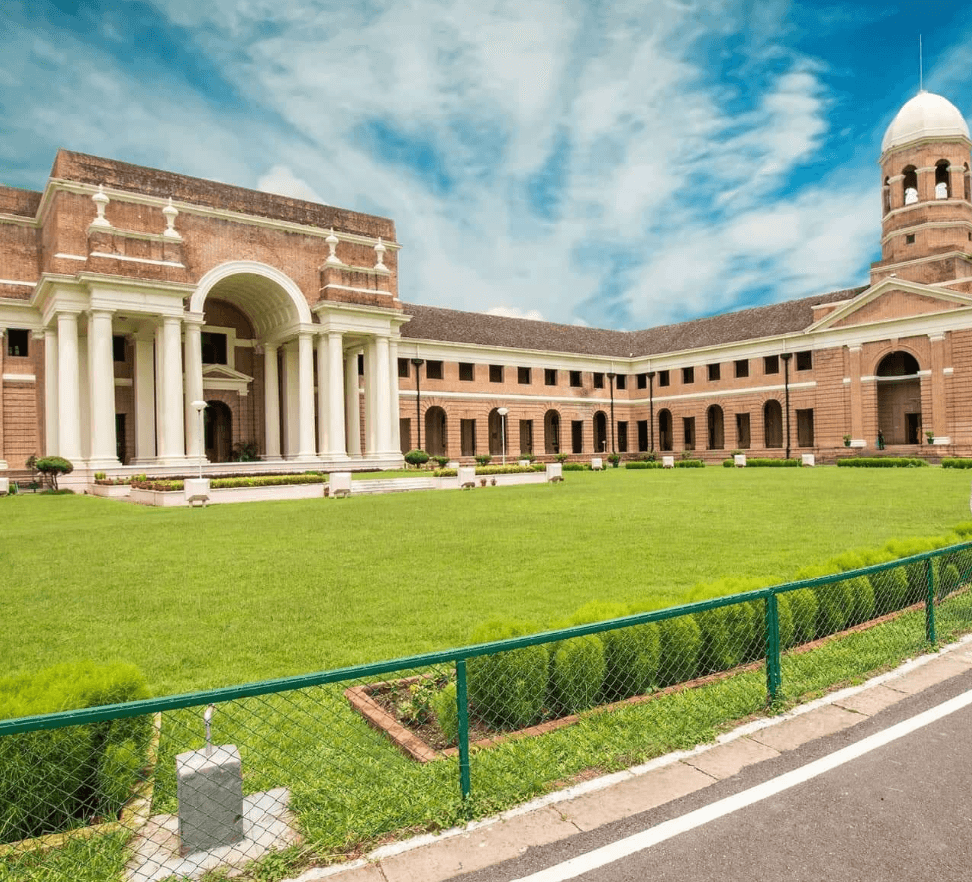
  • Main Building: The FRI campus is known for its impressive colonial architecture. The main building, designed in the Greco-Roman style, is a major attraction.
  • Museums: The institute houses several museums, including the Forest Museum and the Herbarium, showcasing a variety of forest products, specimens, and research materials.
  • Botanical Gardens: The campus features well-maintained botanical gardens and lush green spaces, offering a serene environment.

7. What are the visiting hours for FRI?

FRI is generally open to visitors from Monday to Friday. The visiting hours are typically from 9:00 AM to 5:00 PM. It is advisable to check with the institute for specific visiting hours and any restrictions, especially if you plan to visit on weekends or public holidays.

8. Are there any entry fees to visit FRI?

There is usually a nominal entry fee for visiting the FRI campus and its museums. Fees may vary, so it is best to inquire at the entrance or check the FRI website for updated information.

9. Are there any specific customs or etiquette to follow while visiting FRI?

Visitors should dress modestly and respectfully. It is important to follow the institute’s rules and regulations, including maintaining cleanliness and not disturbing ongoing research or educational activities.

10. What other attractions are near FRI Dehradun?

  • Rajaji National Park: A wildlife sanctuary located about 20 kilometers away, known for its diverse flora and fauna.
  • Sahastradhara: A popular natural spring and waterfall located approximately 14 kilometers from FRI.
  • Robber’s Cave: A natural cave formation situated about 8 kilometers from FRI, offering a unique geological feature and scenic beauty.
Robber’s Cave uttarakhand Robber's Cave

Robber’s Cave

Robber’s Cave, also known as Guchhupani, is a popular tourist attraction in Dehradun, Uttarakhand, India. It is a unique natural…
Dehradun uttarakhand dehradun 22

Dehradun

Dehradun is the capital city of the Indian state of Uttarakhand, located in the northern part of the country.It is…

Tapkeshwar Mahadev FAQs

  1. What is Tapkeshwar Mahadev Temple?

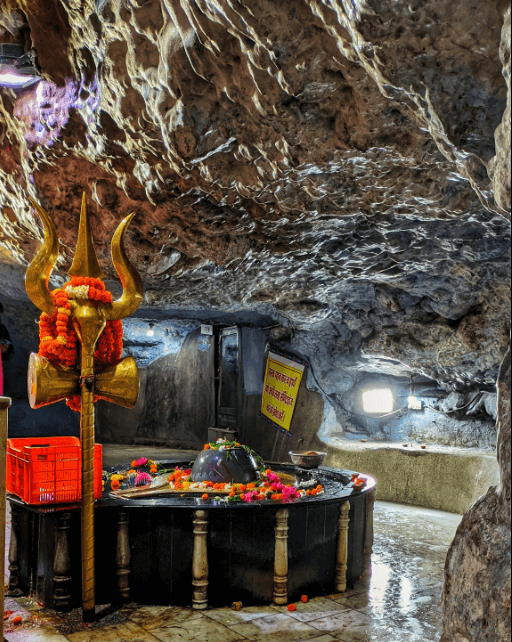
Tapkeshwar Mahadev Temple is a revered Hindu shrine dedicated to Lord Shiva, located in Dehradun, Uttarakhand, India. The temple is famous for its natural cave formation and the dripping water that is believed to be a form of Lord Shiva’s divine presence.

2. Where is Tapkeshwar Mahadev Temple located?

The temple is situated in the Tapkeshwar area of Dehradun, approximately 5 kilometers from the city center. It is located along the banks of the Rispana River.

3. What is the significance of Tapkeshwar Mahadev Temple?

The temple holds religious significance as it is dedicated to Lord Shiva and is known for its natural cave with a Shiva Lingam. The continuous dripping of water onto the Shiva Lingam is considered to be a divine phenomenon, symbolizing Shiva’s blessings.

4. When is the best time to visit Tapkeshwar Mahadev Temple?

The best time to visit is from March to June and September to November when the weather is pleasant. Winter temperatures can be quite low, and the summer months can be warm, so visiting during these times ensures a more comfortable experience.

5. How can I reach Tapkeshwar Mahadev Temple?

  • By Air: The nearest airport is Jolly Grant Airport in Dehradun, about 30 kilometers away. From the airport, you can hire a taxi or auto-rickshaw to reach the temple.
  • By Train: Dehradun Railway Station is approximately 5 kilometers from the temple. You can take a taxi, auto-rickshaw, or local transport to the temple.
  • By Road: The temple is accessible by road from various parts of Dehradun. Local taxis, auto-rickshaws, and buses are available.

6. What are the main attractions at Tapkeshwar Mahadev Temple?

  • The Cave: The primary attraction is the natural cave where the Shiva Lingam is enshrined. The water dripping from the cave’s ceiling onto the Lingam is considered sacred.
  • Temple Surroundings: The temple is surrounded by lush greenery and is set against a picturesque backdrop of the hills and river.

7. What are the facilities available at Tapkeshwar Mahadev Temple?

Basic facilities such as parking, restrooms, and local shops are available near the temple. However, amenities within the temple premises are quite basic.

8. What activities can visitors do at Tapkeshwar Mahadev Temple?

Visitors can participate in worship and rituals, explore the cave, and enjoy the peaceful natural setting. It is also a good spot for meditation and reflection due to its serene environment.

9. Are there any specific customs or etiquette to follow while visiting the temple?

Visitors should dress modestly and respectfully, remove their shoes before entering the temple premises, and maintain silence during prayers. It is important to respect the sanctity of the site and follow any specific rules set by the temple authorities.

10. What other attractions are near Tapkeshwar Mahadev Temple?

Nearby attractions include:

  • Robber’s Cave (Guchhupani): A natural cave formation located about 8 kilometers away.
  • Sahastradhara: A popular waterfall and natural spring approximately 14 kilometers from the temple.
  • Malsi Deer Park: A wildlife park located about 10 kilometers away, where visitors can see various deer species.
Robber’s Cave uttarakhand Robber's Cave

Robber’s Cave

Robber’s Cave, also known as Guchhupani, is a popular tourist attraction in Dehradun, Uttarakhand, India. It is a unique natural…
Dehradun uttarakhand dehradun 22

Dehradun

Dehradun is the capital city of the Indian state of Uttarakhand, located in the northern part of the country.It is…

Robber’s Cave FAQs

  1. What is Robber’s Cave?

Robber’s Cave, also known as Guchhupani, is a natural cave formation located in the Dehradun district of Uttarakhand, India. It is a popular tourist attraction known for its unique cave system and natural beauty.

2. Where is Robber’s Cave located?

Robber’s Cave is situated about 8 kilometers from Dehradun city center, in the Raipur area of Dehradun district, Uttarakhand.

3. What is the significance of Robber’s Cave?

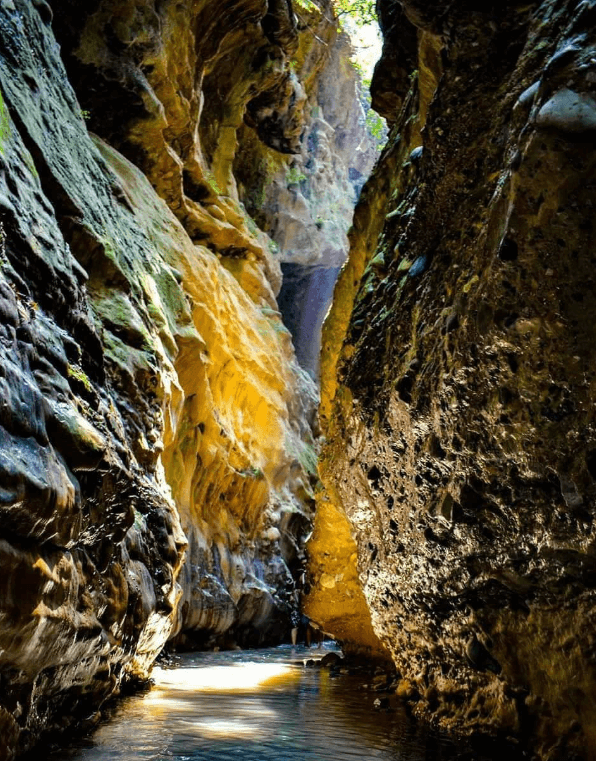
Robber’s Cave is famous for its natural limestone formations and its association with folklore. It is named after the legend that it was once used by robbers as a hideout. The cave features a stream running through it and has become a popular spot for tourists seeking adventure and natural beauty.

4. When is the best time to visit Robber’s Cave?

The best time to visit is from March to June and September to November when the weather is pleasant. The monsoon season (July to September) can make the area slippery and less accessible due to heavy rainfall.

5. How can I reach Robber’s Cave?

  • By Air: The nearest airport is Jolly Grant Airport in Dehradun, about 30 kilometers away. From the airport, you can hire a taxi to reach Robber’s Cave.
  • By Train: Dehradun Railway Station is approximately 8 kilometers from Robber’s Cave. You can take a taxi or auto-rickshaw from the station to the cave.
  • By Road: Robber’s Cave is accessible by road from Dehradun. Local buses, taxis, and auto-rickshaws are available for transportation.

6. What are the main attractions at Robber’s Cave?

  • The Cave: The main attraction is the cave itself, which features a stream flowing through it and unique rock formations.
  • Natural Surroundings: The cave is surrounded by lush greenery and hills, providing a picturesque setting for visitors.

7. What are the facilities available at Robber’s Cave?

Basic facilities such as parking, restrooms, and local eateries are available near the cave. However, visitors should be prepared for limited amenities within the cave itself.

8. What activities can visitors do at Robber’s Cave?

Visitors can explore the cave, walk through the stream, and enjoy the natural rock formations. The site is suitable for photography and short treks. It’s an excellent spot for nature lovers and adventure enthusiasts.

9. Are there any specific customs or etiquette to follow while visiting Robber’s Cave?

Visitors should dress appropriately for exploring the cave, including wearing sturdy shoes, as the cave can be slippery. It is also important to follow safety guidelines and respect the natural environment. Avoid littering and maintain the cleanliness of the area.

10. What other attractions are near Robber’s Cave?

Nearby attractions include:

  • Sahastradhara: A popular waterfall and natural spring located about 14 kilometers from Robber’s Cave.
  • Malsi Deer Park: Located around 10 kilometers away, it is a small wildlife park where visitors can see deer and other animals.
  • Tapkeshwar Temple: A cave temple dedicated to Lord Shiva, located about 5 kilometers from Robber’s Cave.

Patal Bhuvaneshwar FAQs

  1. What is Patal Bhuvaneshwar?

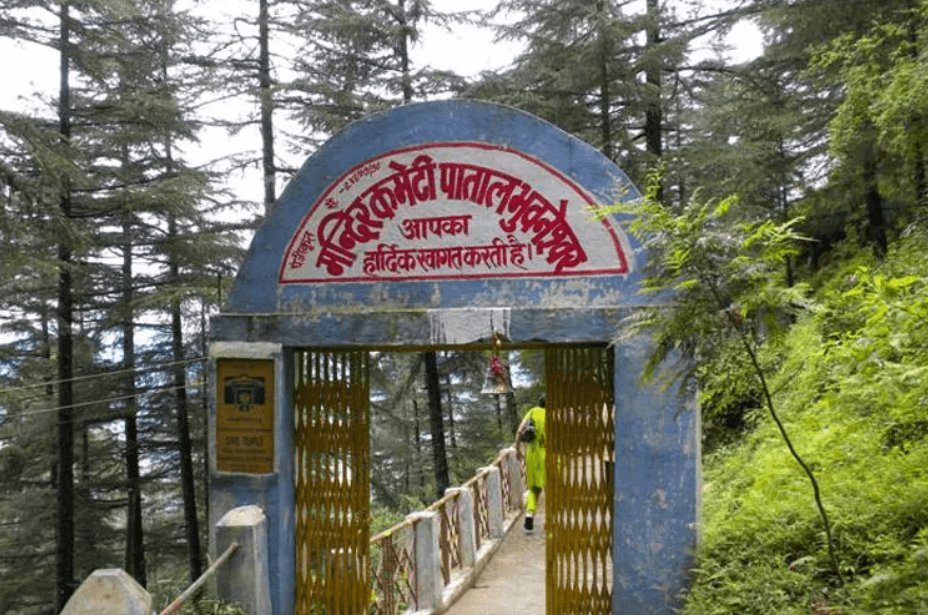
Patal Bhuvaneshwar is a significant Hindu cave temple located in the Patal village of the Pithoragarh district in Uttarakhand, India. It is dedicated to Lord Shiva and is known for its natural cave formations and religious significance.

2. Where is Patal Bhuvaneshwar located?

The temple is situated in the Patal village of the Pithoragarh district, approximately 14 kilometers from the town of Pithoragarh . It is about 370 kilometers from Dehradun, the nearest major city.

3. What is the significance of Patal Bhuvaneshwar?

Patal Bhuvaneshwar is renowned for its ancient cave temple dedicated to Lord Shiva and other deities. The cave is believed to have been discovered by the legendary King Rishabh, and it holds spiritual importance as a sacred place for worship and meditation.

4. When is the best time to visit Patal Bhuvaneshwar?

The best time to visit is from April to October when the weather is pleasant. Winters can be very cold, and the area may experience heavy snowfall, making travel difficult.

5. How can I reach Patal Bhuvaneshwar?

  • By Air: The nearest airport is Pantnagar, about 180 kilometers away. From the airport, you can hire a taxi to Pithoragarh and then travel to Patal Bhuvaneshwar.
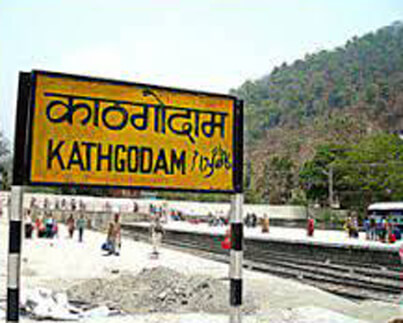
  • By Train: The nearest railway station is Kathgodam, approximately 200 kilometers from Pithoragarh . You can hire a taxi or take a bus from Kathgodam to Pithoragarh and then proceed to the cave temple.
  • By Road: Patal Bhuvaneshwar is accessible by road from Bageshwar. You can drive or take a local taxi from Bageshwar to the temple.

6. What are the main attractions at Patal Bhuvaneshwar?

  • The Cave Temple: The primary attraction is the cave temple itself, which features stunning natural rock formations and various deities.
  • Spiritual Atmosphere: The cave is known for its tranquil and mystical ambiance, offering a unique experience for devotees and visitors.
  • Natural Beauty: The surrounding landscape includes beautiful hills and forested areas, adding to the serene environment.

7. What are the accommodation options near Patal Bhuvaneshwar?

Accommodation options near Patal Bhuvaneshwar are limited. Basic guesthouses and hotels are available in Bageshwar. For more options, visitors can stay in nearby towns or villages.

8. What activities can visitors do at Patal Bhuvaneshwar?

Visitors can explore the cave temple, participate in religious rituals, and enjoy the serene atmosphere for meditation and reflection. Photography is usually restricted inside the cave.

9. Are there any specific customs or etiquette to follow while visiting the cave temple?

Visitors should dress modestly, respect the sacred nature of the site, and follow any specific rules set by the temple authorities. It is customary to remove shoes before entering the cave and to maintain silence inside.

10. What other attractions are near Patal Bhuvaneshwar?

Nearby attractions include the scenic beauty of the Pithoragarh district, the surrounding Kumaon region’s natural landscapes. The area is known for its picturesque views and opportunities for nature walks.

Mayawati Ashram uttatrakhand Mayawati Ashram22

Mayawati Ashram

Mayawati Ashram, also known as Advaita Ashrama, Mayavati, is a renowned visitor attraction situated in the Old Tea Estate area…

Abbott Mount uttarakhand Abbott Mount 223

Abbott Mount

Abbott Mount is a picturesque hill station located in the Champawat district of Uttarakhand, India. It is a serene and…

Jageshwar Almora jageshwar

Jageshwar

Jageshwar is a small town located in the Almora district of the Indian state of Uttarakhand. It is renowned for…

Pithoragarh uttarakhand Pithoragarh

Pithoragarh

Pithoragarh is a district located in the northern state of Uttarakhand, India. It is situated in the Kumaon region and…

Munsiyari uttrakhand Munsiyari1

Munsiyari

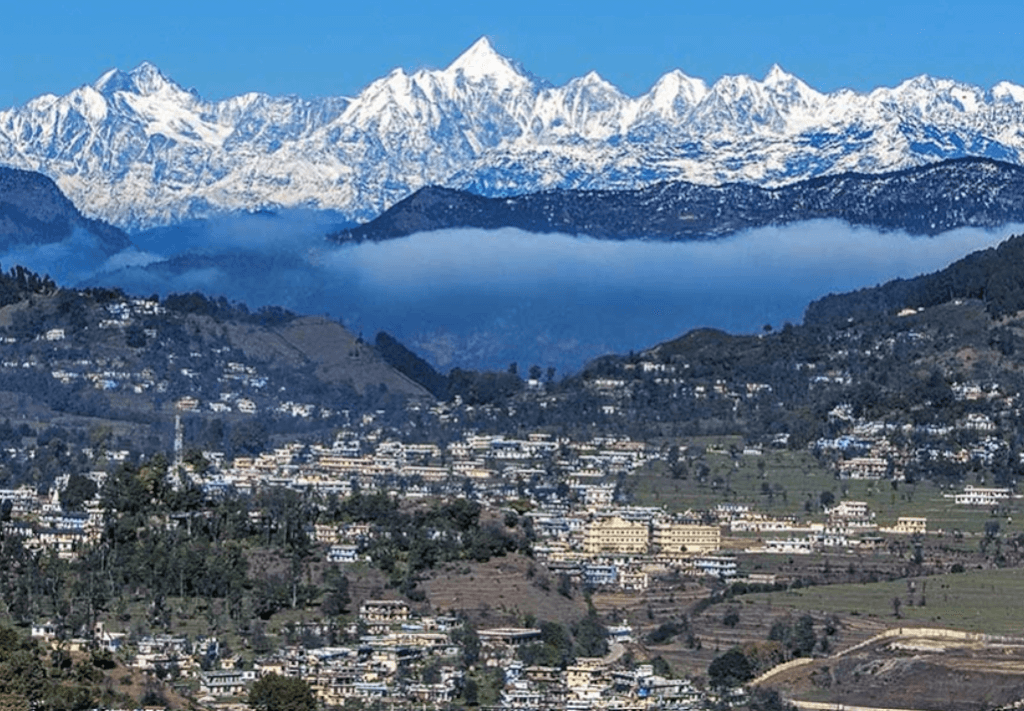
Munsiyari is a picturesque hill station nestled in the Pithoragarh district of Uttarakhand, India. Situated at an elevation of around…

Kainchi Dham FAQs

  1. What is Kainchi Dham?

Kainchi Dham is a renowned Hindu pilgrimage site located in the Nainital district of Uttarakhand, India. It is a sacred ashram founded by the revered spiritual leader Neem Karoli Baba (Maharaj-ji) in the 1960s.

2. Where is Kainchi Dham located?

Kainchi Dham is situated near the town of Neem Karoli Baba Ashram, which is about 15 kilometers from Nainital and 6 kilometers from the town of Bhowali in Uttarakhand.

3. What is the significance of Kainchi Dham?

The ashram is known for its association with Neem Karoli Baba, a prominent saint and spiritual teacher. It is a place of worship and meditation, attracting devotees from all over India and abroad seeking spiritual growth and blessings.

4. When is the best time to visit Kainchi Dham?

The best time to visit Kainchi Dham is from March to October when the weather is pleasant. Winters can be cold, and heavy rains during the monsoon season (July to September) might make travel challenging.

5. How can I reach Kainchi Dham?

  • By Air: The nearest airport is Pantnagar, about 70 kilometers away. From the airport, you can hire a taxi to reach Kainchi Dham.
  • By Train: The nearest railway station is Kathgodam, approximately 35 kilometers away. You can take a taxi or bus from Kathgodam to Kainchi Dham.
  • By Road: Kainchi Dham is accessible by road from Nainital, Bhowali, and other nearby towns. Regular buses and taxis are available.

6. What are the main attractions at Kainchi Dham?

  • The Ashram: The main attraction is the ashram itself, where visitors can engage in meditation, attend prayer sessions, and seek blessings.
  • Neem Karoli Baba Temple: A temple dedicated to Neem Karoli Baba, featuring his teachings and a tranquil atmosphere for spiritual reflection.
  • Surrounding Scenery: The ashram is situated in a scenic location with views of the hills and forests, adding to the serene environment.

7. What are the accommodation options near Kainchi Dham?

Accommodation is available at the ashram for devotees, including basic lodging facilities. In addition, there are guesthouses, hotels, and lodges in nearby towns like Nainital and Bhowali.

8. What activities can visitors do at Kainchi Dham?

Visitors can participate in spiritual practices such as meditation and prayer, attend discourses, and engage in seva (selfless service). The peaceful environment is also ideal for personal reflection and relaxation.

9. Are there any specific customs or etiquette to follow while visiting Kainchi Dham?

Visitors should dress modestly, respect the sanctity of the ashram, and maintain a peaceful demeanor. It is customary to follow the ashram’s rules and participate in daily routines and prayers as appropriate.

10. What other attractions are near Kainchi Dham?

Nearby attractions include the hill station of Nainital, with its Naini Lake, Naina Devi Temple, and scenic viewpoints. The towns of Bhowali and Ramgarh also offer beautiful landscapes and local attractions.

Kausani uttarakhand Kausari

Kausani

Kausani is a charming hill station nestled in the Bageshwar district of Uttarakhand, India. It’s renowned for its panoramic views

Bhimtal BHIMTAL

Bhimtal

Bhimtal is a picturesque town located in the Nainital district of the Indian state of Uttarakhand. It’s renowned for its

Nainital Nainital

Nainital

Nainital is a popular hill station and tourist destination located in the Kumaon region of the Indian state of Uttarakhand.

Ranikhet Ranikhet 1

Ranikhet

Ranikhet is a beautiful hill station in Uttarakhand, India, sitting about 6,132 feet above sea level. Its name means “Queen’s

Abbott Mount FAQs

  1. What is Abbott Mount?

Abbott Mount is a picturesque hill station and a small village located in the Champawat district of Uttarakhand, India. It is known for its scenic beauty, historical significance, and pleasant weather.

2. Where is Abbott Mount located?

Abbott Mount is situated in the Champawat district of Uttarakhand, approximately 35 kilometers from the town of Champawat and about 350 kilometers from Dehradun, the nearest major city.

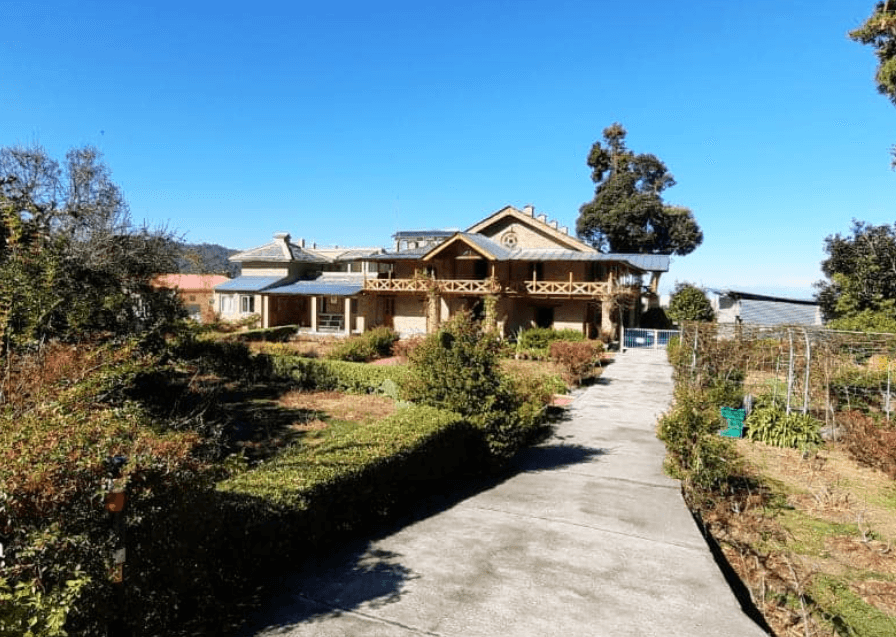
3. What is the historical significance of Abbott Mount?

Abbott Mount was named after a British colonial officer, Mr. Abbott, who established it as a hill station during the British era. It has colonial-era bungalows and churches that reflect its historical past.

4. When is the best time to visit Abbott Mount?

The best time to visit Abbott Mount is from March to October when the weather is pleasant and conducive for sightseeing. Winters can be quite cold, and the area may experience snowfall.

5. How can I reach Abbott Mount?

  • By Air: The nearest airport is Pantnagar, about 170 kilometers away. From there, you can hire a taxi or take a bus to Champawat and then travel to Abbott Mount.
  • By Train: The nearest railway station is Kathgodam, approximately 150 kilometers from Abbott Mount. You can hire a taxi or take a bus from Kathgodam to reach Abbott Mount.
  • By Road: Abbott Mount is accessible by road from Champawat. You can drive or take a local taxi from Champawat to Abbott Mount.

6. What are the main attractions in Abbott Mount?

  • Colonial Bungalows: The area is known for its charming colonial-era bungalows.
  • St. John’s Church: A historical church built during the British era, offering a glimpse into the past.
  • Scenic Views: Abbott Mount offers stunning views of the surrounding Himalayan peaks and lush landscapes.

7. What are the accommodation options in Abbott Mount?

Accommodation options in Abbott Mount are limited but include some quaint guesthouses and heritage properties. For more options, visitors can stay in Champawat or nearby towns.

8. What activities can visitors do in Abbott Mount?

Visitors can enjoy nature walks, photography, and exploring the colonial architecture. The serene environment also makes it a good spot for relaxation and meditation.

9. Are there any specific customs or etiquette to follow while visiting Abbott Mount?

Respect local customs and traditions. As it is a peaceful and historical area, visitors should be mindful of maintaining the tranquility and respecting the heritage of the site.

10. What other attractions are near Abbott Mount?

Nearby attractions include the ancient temples and scenic spots around Champawat, such as the Purnagiri Temple and the scenic viewpoints offering panoramic views of the Himalayas.

Lohaghat Lohaghat, Champawat

Lohaghat

Nestled on the banks of the Lohawati River, Lohaghat is a captivating hill station located just 7 kilometers from Abbott…

Mayawati Ashram uttatrakhand Mayawati Ashram22

Mayawati Ashram

Mayawati Ashram, also known as Advaita Ashrama, Mayavati, is a renowned visitor attraction situated in the Old Tea Estate area…

Pithoragarh uttarakhand Pithoragarh

Pithoragarh

Pithoragarh is a district located in the northern state of Uttarakhand, India. It is situated in the Kumaon region and…

Bhimtal BHIMTAL

Bhimtal

Bhimtal is a picturesque town located in the Nainital district of the Indian state of Uttarakhand. It’s renowned for its…

Nainital Nainital

Nainital

Nainital is a popular hill station and tourist destination located in the Kumaon region of the Indian state of Uttarakhand….

Chitai Golu Devta Temple FAQs

  1. What is Chitai Golu Devta Temple?

Chitai Golu Devta Temple is a prominent Hindu temple dedicated to Golu Devta, a regional deity revered in the Kumaon region of Uttarakhand, India. It is located near the town of Almora.

2. Where is Chitai Golu Devta Temple located?

The temple is situated about 10 kilometers from Almora, in the village of Chitai, which is in the Almora district of Uttarakhand.

3. What is the significance of Golu Devta?

Golu Devta is considered a justice deity and is believed to help fulfill the wishes and resolve problems of devotees. The temple is renowned for its association with justice, truth, and fairness.

4. When is the best time to visit Chitai Golu Devta Temple?

The best time to visit is between April and October when the weather is pleasant. Winters can be cold, and travel may be challenging due to snow.

5. How can I reach Chitai Golu Devta Temple?

  • By Air: The nearest airport is Pantnagar, about 120 kilometers away. From the airport, you can take a taxi or bus to Almora and then proceed to the temple.
  • By Train: The nearest railway station is Kathgodam, approximately 90 kilometers from Almora. From Kathgodam, you can take a taxi or bus.
  • By Road: The temple is accessible by road from Almora. You can drive or take a local bus from Almora to Chitai.

6. What is the architectural style of Chitai Golu Devta Temple?

The temple features traditional Kumaoni architecture, characterized by its wooden and stone structures with intricate carvings and a pagoda-like roof.

7. What are the main attractions at the temple?

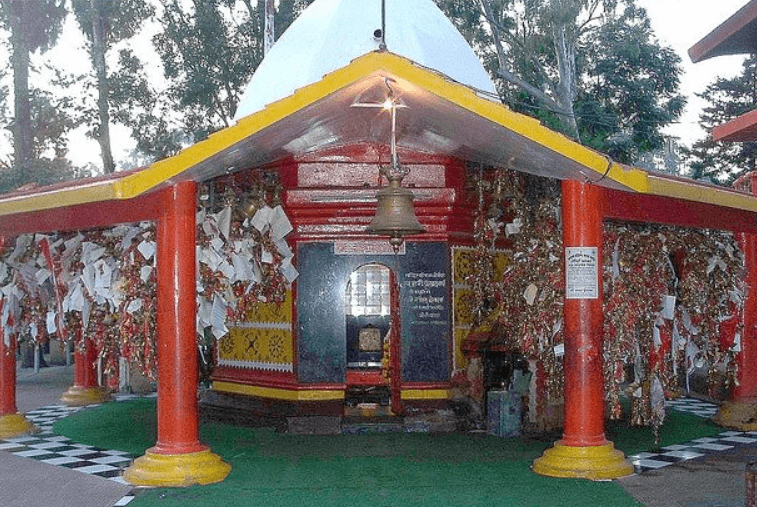
The main attraction is the deity Golu Devta, known for his symbolic representations, including bells and letters tied to the temple walls by devotees seeking justice and fulfillment of their wishes.

8. What accommodations are available near Chitai Golu Devta Temple?

Accommodation options are available in Almora, including budget hotels, guesthouses, and lodges. There are limited options in Chitai itself.

9. Are there any specific customs or etiquette to follow while visiting the temple?

Visitors should dress modestly, remove their shoes before entering the temple premises, and show respect during worship. It is customary to offer bells and write petitions on papers if seeking favors from Golu Devta.

10. What other attractions are near Chitai Golu Devta Temple?

Nearby attractions include the scenic town of Almora, the Jageshwar Temple complex, and the Binsar Wildlife Sanctuary. The region offers beautiful views of the Himalayas and opportunities for nature walks.

Jageshwar Almora jageshwar

Jageshwar

Jageshwar is a small town located in the Almora district of the Indian state of Uttarakhand. It is renowned for…

Pithoragarh uttarakhand Pithoragarh

Pithoragarh

Pithoragarh is a district located in the northern state of Uttarakhand, India. It is situated in the Kumaon region and…

Kausani uttarakhand Kausari

Kausani

Kausani is a charming hill station nestled in the Bageshwar district of Uttarakhand, India. It’s renowned for its panoramic views…

Chaukori Chaukori1

Chaukori

Chaukori is a serene hill station located in the Pithoragarh district of Uttarakhand, India. Situated at an altitude of around…

Ranikhet Ranikhet 1

Ranikhet

Ranikhet is a beautiful hill station in Uttarakhand, India, sitting about 6,132 feet above sea level. Its name means “Queen’s…

Jageshwar FAQs

  1. What is Jageshwar?

Jageshwar is a significant Hindu pilgrimage site located in the Almora district of Uttarakhand, India. It is renowned for its ancient temples dedicated to Lord Shiva and is a part of the Jageshwar Dham, a cluster of temples situated in a picturesque valley.

2. Where is Jageshwar located?

Jageshwar is situated in the Almora district of Uttarakhand, approximately 36 kilometers from Almora town and about 350 kilometers from the city of Dehradun.

3. What is the historical significance of Jageshwar?

Jageshwar is known for its historic temples that date back to the 7th to 12th centuries. The site holds religious significance as a major Shaivaite pilgrimage center, with temples dedicated to various forms of Lord Shiva.

4. When is the best time to visit Jageshwar?

The best time to visit is from April to October when the weather is pleasant and conducive to travel. Winters can be cold, and heavy snowfall might affect accessibility.

5. How can I reach Jageshwar?

  • By Air: The nearest airport is Pantnagar, about 130 kilometers away. From there, you can take a taxi or bus to Jageshwar.
  • By Train: The nearest railway station is Kathgodam, approximately 120 kilometers from Jageshwar. From Kathgodam, you can take a taxi or bus.
  • By Road: Jageshwar is accessible by road from major towns like Almora and Haldwani. Regular buses and taxis are available.

6. What are the main attractions in Jageshwar?

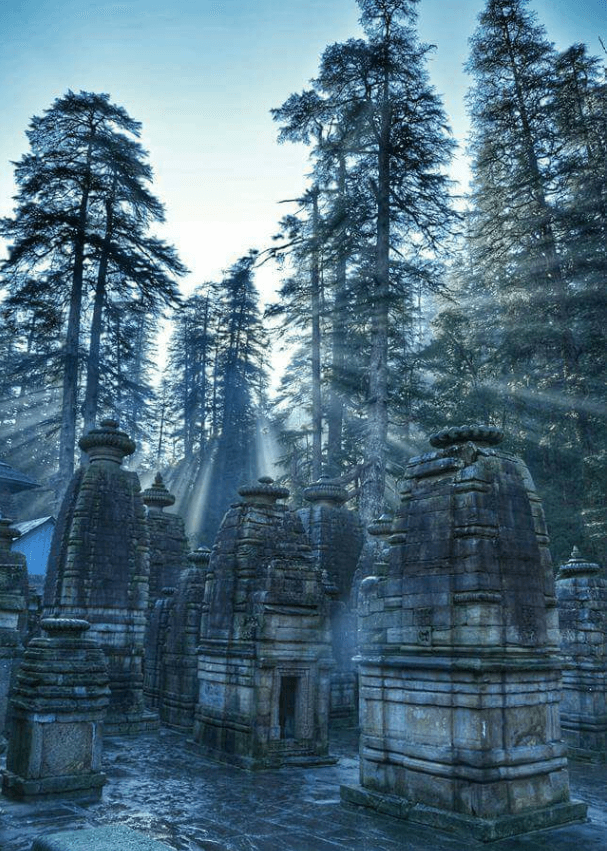
  • Jageshwar Temples: The site features numerous ancient temples dedicated to Lord Shiva, including the Jageshwar Temple, which is the main shrine.
  • Jageshwar Dham: A spiritual complex consisting of various small temples, known for its tranquil environment and historical architecture.
  • Surrounding Scenery: The area is surrounded by lush deodar forests and offers beautiful views of the Himalayan range.

7. What is the architectural style of the Jageshwar Temples?

The temples exhibit traditional Kumaoni architecture with intricate stone carvings and pagoda-style structures. They reflect the ancient architectural styles of the region.

8. Are there any accommodations available in Jageshwar?

Accommodation options are limited in Jageshwar itself. Visitors can find basic guesthouses and small hotels. For more options, nearby towns like Almora offer a wider range of hotels and lodges.

9. What activities can visitors do in Jageshwar?

Visitors can explore the ancient temples, engage in spiritual practices and meditation, and enjoy the natural beauty of the surrounding forests and hills. Photography and nature walks are also popular.

10. Are there any specific customs or etiquette to follow while visiting the temples?

Visitors should dress modestly, remove their shoes before entering temple premises, and follow any local customs and rituals observed by devotees. Maintaining silence and showing respect in the sacred spaces is encouraged.

Lohaghat FAQs

  1. What is Lohaghat?

Lohaghat is a small town and a hill station located in the Champawat district of Uttarakhand, India. It is known for its scenic beauty, serene environment, and historical significance.

2. Where is Lohaghat located?

Lohaghat is situated in the Champawat district of Uttarakhand, approximately 80 kilometers from Champawat town and about 200 kilometers from the city of Haldwani. It is nestled in the foothills of the Kumaon region.

3. What is the best time to visit Lohaghat?

The best time to visit Lohaghat is from March to October. During these months, the weather is pleasant, and the conditions are ideal for sightseeing and outdoor activities. Winters can be cold and may see occasional snowfall.

4. How can I reach Lohaghat?

  • By Air: The nearest airport is Pantnagar Airport, about 150 kilometers away. From the airport, you can hire a taxi to reach Lohaghat.
  • By Train: The nearest railway station is in Kathgodam, approximately 150 kilometers away. Taxis and buses are available from Kathgodam to Lohaghat.
  • By Road: Lohaghat is accessible by road from major towns in Uttarakhand. You can drive or take a bus from places like Haldwani, Champawat, and Pithoragarh.

5. What are the main attractions in Lohaghat?

  • Mayawati Ashram: A spiritual retreat known for its serene environment and association with the Ramakrishna Order.
  • Panchachuli Peaks: A group of five peaks offering stunning views and trekking opportunities.
  • Baleshwar Temple: An ancient temple dedicated to Lord Shiva, known for its historical and architectural significance.
  • Hatu Peak: Located nearby, it offers panoramic views of the surrounding hills and valleys.

6. What are the accommodation options in Lohaghat?

Accommodation in Lohaghat includes a range of options from budget hotels and guesthouses to more comfortable lodges. Facilities are generally modest, and it is advisable to book in advance, especially during peak tourist seasons.

7. What activities can visitors do in Lohaghat?

Visitors can enjoy trekking, nature walks, sightseeing, and exploring local temples and historical sites. The tranquil environment also makes it an ideal place for relaxation and meditation.

8. Are there any local customs or etiquette to be aware of?

Visitors should respect local traditions and customs, dress modestly, and be mindful of the peaceful environment. Engaging politely with locals and following general good manners is appreciated.

9. What facilities are available in Lohaghat?

Lohaghat offers basic amenities including local markets, restaurants, and medical facilities. However, it is a small town, so for more extensive needs, traveling to larger towns like Champawat or Haldwani may be necessary.

10. What is the climate like in Lohaghat?

Lohaghat experiences a temperate climate. Summers are mild with temperatures ranging from 20°C to 30°C. Winters can be quite cold, with temperatures dropping to around 0°C, and occasional snowfall can occur.

Mayawati Ashram uttatrakhand Mayawati Ashram22

Mayawati Ashram

Mayawati Ashram, also known as Advaita Ashrama, Mayavati, is a renowned visitor attraction situated in the Old Tea Estate area…

Abbott Mount uttarakhand Abbott Mount 223

Abbott Mount

Abbott Mount is a picturesque hill station located in the Champawat district of Uttarakhand, India. It is a serene and…

Pithoragarh uttarakhand Pithoragarh

Pithoragarh

Pithoragarh is a district located in the northern state of Uttarakhand, India. It is situated in the Kumaon region and…

Chaukori Chaukori1

Chaukori

Chaukori is a serene hill station located in the Pithoragarh district of Uttarakhand, India. Situated at an altitude of around…

Nainital Nainital

Nainital

Nainital is a popular hill station and tourist destination located in the Kumaon region of the Indian state of Uttarakhand….

Contact Us