Mayawati Ashram FAQs

  1. What is Mayawati Ashram (Advaita Ashrama)?

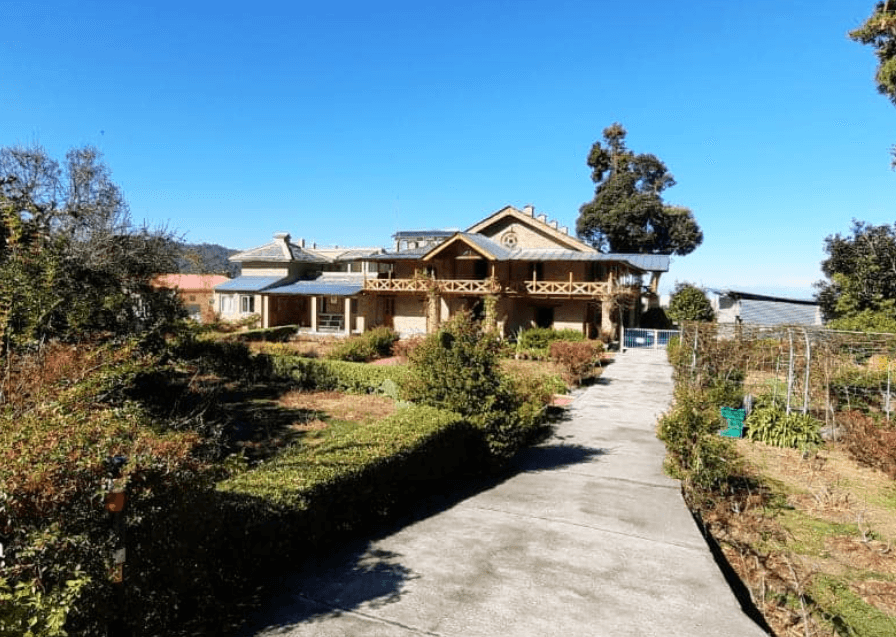
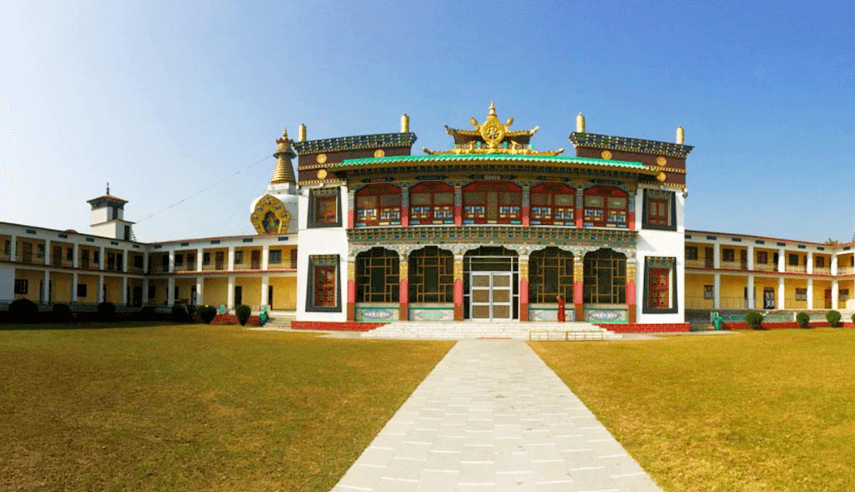
Mayawati Ashram, also known as Advaita Ashrama, is a spiritual retreat and an important center of the Ramakrishna Order located in Lohaghat, Champawat district, Uttarakhand. It is renowned for its serene environment and spiritual significance.

2. Where is Mayawati Ashram located?

The ashram is situated in the Old Tea Estate area of Lohaghat, Champawat district, Uttarakhand. It is approximately 80 kilometers from the town of Champawat and accessible by road.

3. What is the historical significance of Mayawati Ashram?

Established in 1920 by Swami Virajananda, the ashram is a branch of the Ramakrishna Order. It holds historical importance as a place where spiritual seekers come for meditation and learning based on the teachings of Sri Ramakrishna, Swami Vivekananda, and other spiritual leaders of the Ramakrishna Mission.

4. What activities can visitors participate in at Mayawati Ashram?

Visitors can engage in meditation, attend spiritual lectures and discussions, participate in devotional services, and enjoy the tranquil environment for personal reflection and spiritual growth.

5. When is the best time to visit Mayawati Ashram?

The best time to visit is from March to October when the weather is pleasant and conducive to travel and outdoor activities. Winters can be quite cold, so proper clothing is recommended if visiting during that time.

6. How can I reach Mayawati Ashram?

You can reach the ashram by traveling to Lohaghat, which is accessible by road from major towns like Champawat, Pithoragarh, and Haldwani. From Lohaghat, local transport or hired vehicles can take you to the ashram.

7. What is the accommodation like at Mayawati Ashram?

The ashram provides simple and modest accommodation facilities for visitors. The stay is usually in shared rooms, and it is advisable to make prior arrangements with the ashram for accommodation.

8. Are there any special customs or etiquette to follow while visiting the ashram?

Visitors should dress modestly and respectfully. It is important to maintain silence and a peaceful demeanor, as the ashram is a place for meditation and spiritual activities. Following the ashram’s rules and participating in daily routines and services is encouraged.

9. What facilities are available at Mayawati Ashram?

The ashram offers basic facilities including meditation halls, a library with spiritual literature, and areas for personal reflection. Meals are typically provided in a communal setting.

10. What other attractions are near Mayawati Ashram?

Nearby attractions include the scenic beauty of Lohaghat, the historical sites like the Baleshwar Temple, and natural spots such as the Lohaghat hills and the Pithoragarh district’s landscapes.

Lohaghat Lohaghat, Champawat

Lohaghat

Nestled on the banks of the Lohawati River, Lohaghat is a captivating hill station located just 7 kilometers from Abbott…

Abbott Mount uttarakhand Abbott Mount 223

Abbott Mount

Abbott Mount is a picturesque hill station located in the Champawat district of Uttarakhand, India. It is a serene and…

Pithoragarh uttarakhand Pithoragarh

Pithoragarh

Pithoragarh is a district located in the northern state of Uttarakhand, India. It is situated in the Kumaon region and…

Bhimtal BHIMTAL

Bhimtal

Bhimtal is a picturesque town located in the Nainital district of the Indian state of Uttarakhand. It’s renowned for its…

Nainital Nainital

Nainital

Nainital is a popular hill station and tourist destination located in the Kumaon region of the Indian state of Uttarakhand….

Timmersain Mahadev FAQs

  1. What is Timmersain Mahadev Cave Temple?

Timmersain Mahadev is a sacred cave dedicated to Lord Shiva, located in Niti village, Chamoli district, Uttarakhand. It is known for its natural snow Shivalinga, which is a key attraction for devotees and visitors.

2. Where is Timmersain Mahadev Cave Temple located?

The cave temple is situated in Niti village, which is in the Chamoli district of Uttarakhand, near the Indo-Tibetan border.

3. What is the significance of the Timmersain Mahadev Cave Temple?

The cave is considered sacred due to its natural Shivalinga made of snow, which resembles the Amarnath shrine in Jammu and Kashmir. It is a revered site for worshippers of Lord Shiva.

4. When is the best time to visit Timmersain Mahadev Cave Temple?

The ideal time to visit is from May to October when the weather is more favorable. Winters can be very harsh with heavy snowfall, making access difficult.

5. How can I reach Timmersain Mahadev Cave Temple?

To reach the temple, you can travel to Joshimath or Chamoli and then proceed to Niti village. The journey involves trekking from Niti village to the cave, which requires good physical fitness and preparation.

6. What should I be aware of before visiting the cave?

Visitors should be prepared for a challenging trek and should carry appropriate gear, such as warm clothing and trekking shoes. Due to its remote location, it is advisable to be accompanied by a local guide.

7. Are there any special customs or etiquette to follow while visiting the cave?

It is important to dress modestly and respectfully. As it is a religious site, maintaining silence and showing reverence while inside the cave is appreciated.

8. What is the architectural style of the Timmersain Mahadev Cave Temple?

The cave temple is naturally formed, featuring a snow Shivalinga without traditional man-made architectural elements. Its spiritual significance comes from its natural formation and connection to Lord Shiva.

9. Are there any accommodations available near the cave?

Accommodations are limited in Niti village and nearby areas. Visitors usually stay in Joshimath or Chamoli and plan their visit to the cave as a day trek or overnight stay in local guesthouses.

10. What other attractions are near Timmersain Mahadev Cave Temple?

Nearby attractions include the scenic beauty of the Niti Valley, the town of Joshimath, and the famous Badrinath Temple. The region is also known for its trekking routes and natural landscapes.

Pipalkoti Pipalkoti99

Pipalkoti

A little, picturesque town called Pipalkoti is located 1,260 metres above sea level. On NH58, it is 17 kilometres after…

Gopeshwar Gopeshwar

Gopeshwar

Gopeshwar is a town located in the Chamoli district of the Indian state of Uttarakhand. It is situated in the…

Auli auli uttarakhand

Auli

Auli is a breathtaking hill station and ski resort located in the Chamoli district of Uttarakhand, India. Situated in the…

Tapovan joshimath Tapovan joshimath5

Tapovan joshimath

Tapovan is a beautiful and serene destination located near Joshimath in the Chamoli district of Uttarakhand, India. Situated at an…

Joshimath joshimath12

Joshimath

Joshimath is a town in the Chamoli district of Uttarakhand, India. Situated in the Garhwal region of the Himalayas, it…

Mana Village Last Indian Mana Village, Uttarakhand

Mana Village

Mana is the First inhabited village on the Indian side of the Indo-Tibetan border, located in the Chamoli district of…

Hanol Temple FAQs

  1. What is Hanol Temple?

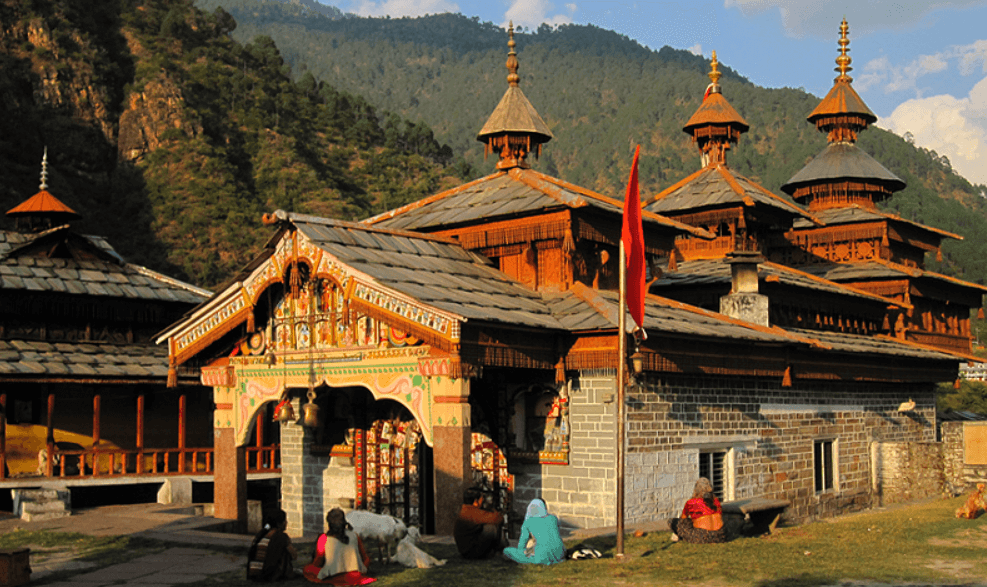
Hanol Temple, also known as the Mahasu Devta Temple, is a revered Hindu shrine dedicated to Mahasu Devta, a deity worshipped primarily in the region. It is located in the village of Hanol in the Dehradun district of Uttarakhand.

2. Where exactly is Hanol Temple located?

Hanol Temple is situated in the Dehradun district of Uttarakhand, approximately 130 kilometers from Dehradun city and about 90 kilometers from the town of Vikasnagar.

3. What is the historical significance of Hanol Temple?

The temple is notable for its ancient origins and its role as a pilgrimage site dedicated to Mahasu Devta. It is an important site for local devotees and attracts visitors seeking blessings and spiritual solace.

4. When is the best time to visit Hanol Temple?

The best time to visit Hanol Temple is from March to October when the weather is generally pleasant. The region experiences heavy snowfall and cold temperatures during the winter months.

5. How can I reach Hanol Temple?

The temple can be accessed by road. The nearest major city is Dehradun, from where you can take a taxi or drive to Hanol. The route passes through scenic hills, and local transport options are also available.

6. What is the architectural style of Hanol Temple?

Hanol Temple showcases traditional Himalayan architecture, characterized by intricate wood carvings and a pagoda-like structure typical of the region’s temples.

7. Are there any festivals celebrated at Hanol Temple?

Yes, Hanol Temple hosts various local festivals, with the Mahasu Devta Fair being the most notable. This fair draws many pilgrims and visitors who come to celebrate and participate in religious activities.

8. What are the accommodation options near Hanol Temple?

Accommodation is limited in the immediate vicinity of Hanol Temple. Visitors usually stay in nearby towns such as Vikasnagar or Dehradun, where various lodging options are available, including guesthouses and hotels.

9. Are there any specific customs or etiquette to follow while visiting Hanol Temple?

Visitors should dress modestly, remove their shoes before entering the temple, and follow any specific customs or rituals observed by the local devotees. Respecting the local traditions and the sanctity of the temple is important.

10. What other attractions are near Hanol Temple?

Nearby attractions include the scenic areas around the Dehradun district and the Rajaji National Park, which is known for its wildlife and natural beauty. The region offers a range of outdoor activities and natural sites to explore.

Kharsali uttarakhand kharsali

Kharsali

Kharsali, also known as ‘Khushimath,’ is a serene and untouched village nestled in the picturesque Uttarkashi district of Uttarakhand, India….

Dehradun uttarakhand dehradun 22

Dehradun

Dehradun is the capital city of the Indian state of Uttarakhand, located in the northern part of the country.It is…

Mussoorie Mussoorie1

Mussoorie

Mussoorie is a captivating hill station nestled in the Garhwal region of the Indian state of Uttarakhand. Situated at an…

Chakrata Chakrata1

Chakrata

Chakrata is a picturesque hill station located in the Dehradun district of Uttarakhand, India. Situated at an altitude of around…

Uttarkashi Char Dham Route, uttarakashi, Utarakhand

Uttarkashi

Char Dham Yatra          Do Dham Yatra          Panch Kedar Yatra          Adi…

Barkot Places to visit near barkot

Barkot

Barkot, a quaint town nestled in the picturesque state of Uttarakhand, India, is a hidden gem that captivates visitors with…

Saptarishi Kund FAQs

  1. What is Saptarishi Kund?

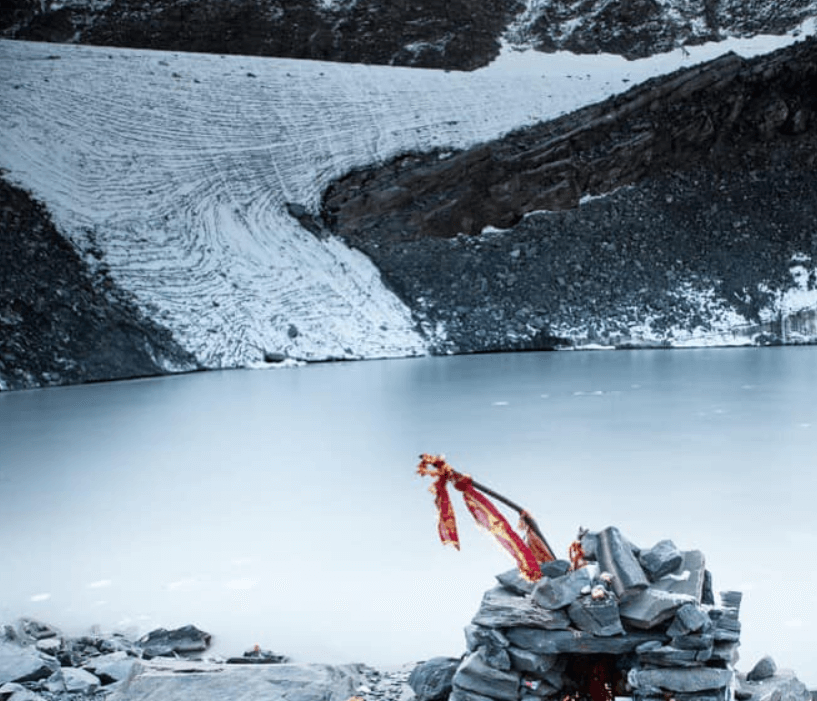
Saptarishi Kund is a high-altitude lake situated in the Indian state of Uttarakhand. It is located near the Kedarnath region in the Himalayas. The lake is named after the Saptarishi, or seven great sages, who are believed to have meditated there.

2. How do I get to Saptarishi Kund?

To reach Saptarishi Kund, you typically start your journey from Kedarnath. From Kedarnath, a trek of about 7-10 kilometers (one way) is required to reach the lake. The trek is challenging, involving steep ascents and rugged terrain.

3. What is the best time to visit Saptarishi Kund?

The best time to visit is between late May and early September. During these months, the weather is relatively favorable for trekking, with minimal snowfall and milder temperatures.

4. What should I pack for the trek?

Essential items include sturdy trekking shoes, warm clothing (as temperatures can drop even in summer), rain gear, a first-aid kit, water bottles, high-energy snacks, and sun protection like hats and sunscreen.

5. Is a guide necessary for the trek?

While it’s possible to trek independently if you have trekking experience, it’s highly recommended to hire a local guide. The terrain can be challenging, and a guide can help with navigation and provide safety.

6. What kind of accommodation is available?

Accommodation is basic and typically available in Kedarnath, where trekkers can find lodges, guesthouses, and dharamshala (community-run rest houses). There are no permanent accommodations at Saptarishi Kund itself.

7. Are there any special permits required?

Generally, no special permits are required for Saptarishi Kund. However, it’s wise to check with local authorities or travel agencies for the latest regulations and to inform them of your travel plans.

8. What are the challenges of the trek?

The trek involves high altitude, steep inclines, and unpredictable weather. Trekking in this region requires physical fitness, acclimatization to high altitudes, and preparedness for sudden weather changes.

9. Can I visit Saptarishi Kund as a part of a pilgrimage?

Yes, many pilgrims visit Saptarishi Kund as part of their spiritual journey, especially those undertaking the Char Dham Yatra, which includes Kedarnath, Badrinath, Yamunotri, and Gangotri.

10. What wildlife might I encounter on the trek?

The region around Saptarishi Kund is home to various Himalayan wildlife, including the Himalayan Monal (the state bird of Uttarakhand), bharal (blue sheep), and possibly even the elusive snow leopard. However, wildlife sightings are not guaranteed.

Divyashila uttarakhand divya shila

Divyashila

The term “Divya Shila” is associated with the Yamunotri temple, one of the Char Dham pilgrimage sites in the Indian…

Kharsali uttarakhand kharsali

Kharsali

Kharsali, also known as ‘Khushimath,’ is a serene and untouched village nestled in the picturesque Uttarkashi district of Uttarakhand, India….

Janki Chatti jankichatti uttarakhand

Janki Chatti

Janki Chatti is a small town located in the Uttarkashi district of the northern Indian state of Uttarakhand. It is…

Hanol Temple chakrata Hanol temple

Hanol Temple

Hanol is a well-known village situated along the banks of the Tons River in Chakrata. Named after the Brahmin Huna…

Janki Chatti jankichatti uttarakhand

Janki Chatti

Janki Chatti is a small town located in the Uttarkashi district of the northern Indian state of Uttarakhand. It is…

Uttarkashi Char Dham Route, uttarakashi, Utarakhand

Uttarkashi

Char Dham Yatra          Do Dham Yatra          Panch Kedar Yatra          Adi…

Hanuman Chatti hanuman Chatti, Yamunotri

Hanuman Chatti

Hanuman Chatti, located in the Garhwal region of Uttarakhand, serves as a crucial junction for pilgrims en route to Yamunotri….

Barkot Places to visit near barkot

Barkot

Barkot, a quaint town nestled in the picturesque state of Uttarakhand, India, is a hidden gem that captivates visitors with…

Divyashila FAQs

  1. What is Divya Shila?

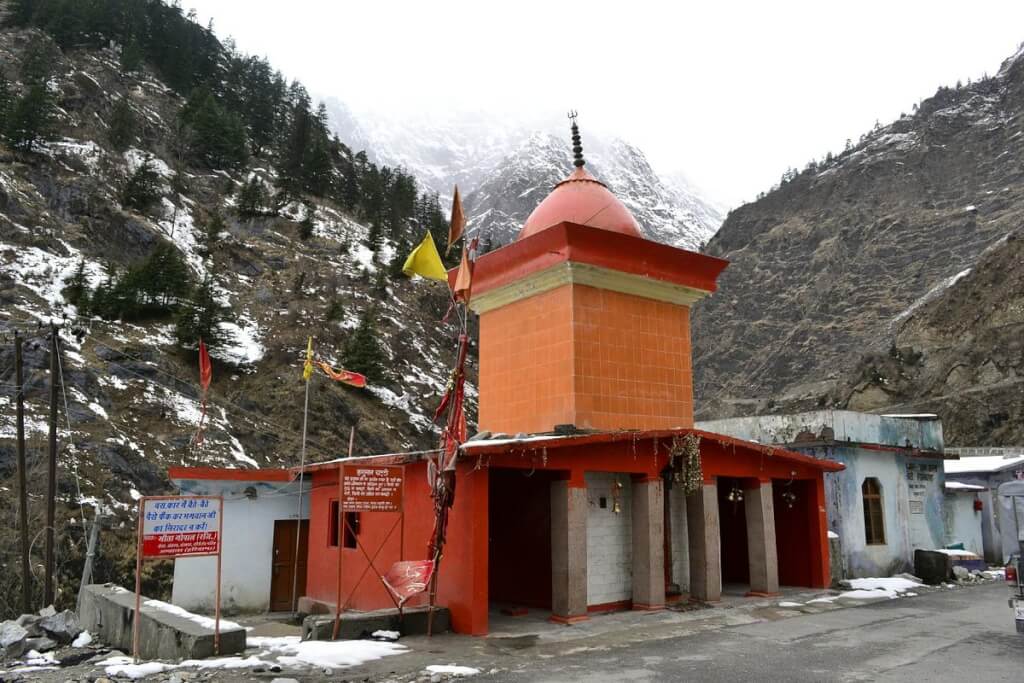
Divya Shila is a sacred rock pillar located near the Yamunotri temple in Uttarakhand, India. It is considered a holy object of reverence in the Hindu pilgrimage circuit.

2. Where is Divya Shila located?

Divya Shila is situated near the Yamunotri temple, which is part of the Char Dham pilgrimage circuit in Uttarakhand, India. It is located at an altitude of approximately 3,235 meters (10,613 feet) in the Himalayas.

3. Why is Divya Shila considered sacred?

Divya Shila is believed to be an embodiment of divine power. Pilgrims consider it a sacred stone and an essential part of their worship rituals when visiting the Yamunotri temple.

4. What is the significance of Divya Shila in the pilgrimage?

Pilgrims offer their prayers and perform rituals at Divya Shila as a mark of respect and devotion before proceeding to the Yamunotri temple. It is believed to bless the devotees and fulfill their wishes.

5. How do pilgrims worship at Divya Shila?

Pilgrims typically perform a ritualistic offering of prayers, light lamps, and sometimes offer specific pujas (rituals) at Divya Shila. The process may involve circumambulating the stone and making offerings of flowers, rice, or other sacred items.

6. Can visitors touch Divya Shila?

Direct touching of Divya Shila is usually not permitted to preserve its sanctity. Pilgrims generally perform rituals from a respectful distance.

7. Are there any specific rituals associated with Divya Shila?

The main ritual involves offering prayers and performing aarti (a form of worship with lighted lamps) at Divya Shila before entering the Yamunotri temple. Some pilgrims also conduct special pujas or ceremonies as per their personal or family traditions.

8. When is the best time to visit Divya Shila?

The best time to visit Divya Shila is during the Char Dham Yatra season, which is typically from May to October. The temple and surrounding areas are usually closed during the winter months due to heavy snowfall.

9. Is there any special dress code for visiting Divya Shila?

There is no strict dress code, but it is recommended to wear modest and comfortable clothing. Traditional attire is often preferred by many pilgrims as a mark of respect.

10. How can I reach Divya Shila?

Divya Shila can be reached by trekking from the base camp of Yamunotri. The trek to Yamunotri starts from Janki Chatti or Hanuman Chatti, with a journey involving a moderate trek. Pilgrims usually travel to Yamunotri by road and then undertake the trek to reach the temple and Divya Shila.

Hanol Temple chakrata Hanol temple

Hanol Temple

Hanol is a well-known village situated along the banks of the Tons River in Chakrata. Named after the Brahmin Huna…

Janki Chatti jankichatti uttarakhand

Janki Chatti

Janki Chatti is a small town located in the Uttarkashi district of the northern Indian state of Uttarakhand. It is…

Mussoorie Mussoorie1

Mussoorie

Mussoorie is a captivating hill station nestled in the Garhwal region of the Indian state of Uttarakhand. Situated at an…

Surya Kund Surya Kund, yamunotri

Surya Kund

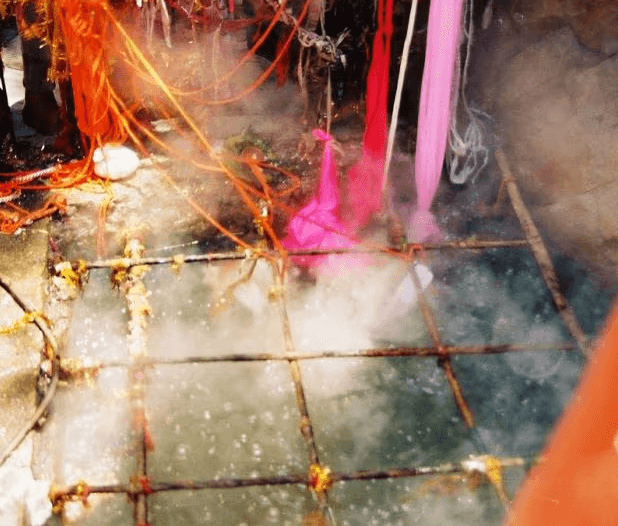
it is situated near the sacred Yamunotri Temple in Uttarakhand, is a natural thermal spring known for its scalding temperatures….

Barkot Places to visit near barkot

Barkot

Barkot, a quaint town nestled in the picturesque state of Uttarakhand, India, is a hidden gem that captivates visitors with…

Hanol Temple chakrata Hanol temple

Hanol Temple

Hanol is a well-known village situated along the banks of the Tons River in Chakrata. Named after the Brahmin Huna…

Janki Chatti jankichatti uttarakhand

Janki Chatti

Janki Chatti is a small town located in the Uttarkashi district of the northern Indian state of Uttarakhand. It is…

Uttarkashi Char Dham Route, uttarakashi, Utarakhand

Uttarkashi

Char Dham Yatra          Do Dham Yatra          Panch Kedar Yatra          Adi…

Hanuman Chatti hanuman Chatti, Yamunotri

Hanuman Chatti

Hanuman Chatti, located in the Garhwal region of Uttarakhand, serves as a crucial junction for pilgrims en route to Yamunotri….

Barkot Places to visit near barkot

Barkot

Barkot, a quaint town nestled in the picturesque state of Uttarakhand, India, is a hidden gem that captivates visitors with…

Kharsali FAQs

1. What is Kharsali known for?

Kharsali is known for its picturesque setting and its proximity to the Yamunotri Temple, which makes it a popular stop for pilgrims. It is also known for the ancient Yamunotri Temple that is located here, which is believed to be the original site of the Yamunotri Shrine before it was relocated to its current position.

2. Where is Kharsali located?

Kharsali is located in the Uttarkashi district of Uttarakhand, India. It is situated around 25 km from Yamunotri and approximately 220 km from Dehradun.

3. How can I reach Kharsali?

To reach Kharsali:

  • By Road: Drive or hire a taxi from Dehradun or Uttarkashi. The road to Kharsali is well-connected but can be winding and steep.
  • By Train: The nearest railway station is in Uttarkashi. From there, you can hire a taxi or use local transport to reach Kharsali.
  • By Air: The nearest airport is in Dehradun. From the airport, you can hire a taxi to reach Kharsali via Uttarkashi.
4. What is the best time to visit Kharsali?

The best time to visit Kharsali is from May to October. During these months, the weather is pleasant for trekking and sightseeing. Avoid visiting during heavy snowfall in winter or the monsoon season due to potential landslides and roadblocks.

5. Are there any entry fees to visit Kharsali?

There is typically no entry fee for visiting Kharsali itself. However, you may need to pay for local services or trekking permits if you are traveling to Yamunotri.

6. What are the main attractions in Kharsali?

Main attractions in Kharsali include:

  • Yamunotri Temple: The ancient temple dedicated to Goddess Yamuna, located in Kharsali.
  • Local Scenery: The village offers beautiful views of the surrounding hills and forests.
7. What facilities are available in Kharsali?

Facilities in Kharsali include basic accommodations such as guesthouses and lodges, local eateries, and small shops. For more extensive services, you might need to visit nearby towns like Uttarkashi.

8. Are there any guided tours available for Kharsali?

Guided tours to Kharsali and the nearby Yamunotri Temple are available through local travel agencies. These tours may include transportation, accommodation, and guided trekking.

9. What should I bring when visiting Kharsali?

When visiting Kharsali, consider bringing:

  • Comfortable Footwear: For trekking and exploring.
  • Warm Clothing: Temperatures can be cool, especially in the evenings.
  • Water and Snacks: Limited facilities are available.
  • Rain Gear: Weather can be unpredictable.
10. Is Kharsali accessible for people with disabilities?

Accessibility in Kharsali may be challenging due to its mountainous terrain and limited infrastructure. It is advisable to check with local authorities or tour operators for specific accessibility options and support.

Hanol Temple chakrata Hanol temple

Hanol Temple

Hanol is a well-known village situated along the banks of the Tons River in Chakrata. Named after the Brahmin Huna…

Janki Chatti jankichatti uttarakhand

Janki Chatti

Janki Chatti is a small town located in the Uttarkashi district of the northern Indian state of Uttarakhand. It is…

Uttarkashi Char Dham Route, uttarakashi, Utarakhand

Uttarkashi

Char Dham Yatra          Do Dham Yatra          Panch Kedar Yatra          Adi…

Hanuman Chatti hanuman Chatti, Yamunotri

Hanuman Chatti

Hanuman Chatti, located in the Garhwal region of Uttarakhand, serves as a crucial junction for pilgrims en route to Yamunotri….

Barkot Places to visit near barkot

Barkot

Barkot, a quaint town nestled in the picturesque state of Uttarakhand, India, is a hidden gem that captivates visitors with…

Janki Chatti FAQs

1. What is Janki Chatti known for?

Janki Chatti is known as a base camp for pilgrims traveling to Yamunotri, one of the Char Dham pilgrimage sites. It is also recognized for its scenic beauty and serene environment.

2. Where is Janki Chatti located?

Janki Chatti is located in the Uttarkashi district of Uttarakhand, India. It is about 30 km from Yamunotri and roughly 230 km from Dehradun.

3. How can I reach Janki Chatti?

To reach Janki Chatti:

  • By Road: Drive or hire a taxi from Dehradun or Uttarkashi. Roads are generally well-maintained but can be narrow and winding.
  • By Train: The nearest railway station is in Uttarkashi. From there, you can take a taxi or local transport to Janki Chatti.
  • By Air: The nearest airport is in Dehradun. From the airport, you can hire a taxi to reach Janki Chatti via Uttarkashi.
4. What is the best time to visit Janki Chatti?

The best time to visit Janki Chatti is from May to October, avoiding the winter months and heavy monsoon season. The weather is pleasant and suitable for trekking to Yamunotri during these months.

5. Are there any entry fees to visit Janki Chatti?

There is generally no entry fee for Janki Chatti itself. However, you may need to pay fees for trekking permits or local services if you’re heading to Yamunotri.

6. What are the main attractions in Janki Chatti?

Main attractions in Janki Chatti include:

  • Yamunotri Trek: Janki Chatti serves as the starting point for the trek to Yamunotri Temple.
  • Local Scenery: Beautiful mountain views and serene landscapes.
7. What facilities are available in Janki Chatti?

Facilities in Janki Chatti include basic accommodations such as guesthouses and lodges, local eateries, and small shops. For more extensive services, you may need to travel to Uttarkashi.

8. Are there any guided tours available for Janki Chatti?

Guided tours to Janki Chatti and the Yamunotri trek are available through local tour operators. These tours often include transportation, accommodation, and guidance for the trek.

9. What should I bring when visiting Janki Chatti?

When visiting Janki Chatti, consider bringing:

  • Comfortable Trekking Shoes: For the trek to Yamunotri.
  • Warm Clothing: Temperatures can drop, especially at higher altitudes.
  • Water and Snacks: For the trek and travel.
  • Rain Gear: Weather can be unpredictable.
10. Is Janki Chatti accessible for people with disabilities?

Accessibility can be challenging in Janki Chatti due to its mountainous terrain and limited infrastructure. It’s advisable to check with local authorities or tour operators for specific accessibility options and support.

Hanol Temple chakrata Hanol temple

Hanol Temple

Hanol is a well-known village situated along the banks of the Tons River in Chakrata. Named after the Brahmin Huna…

Janki Chatti jankichatti uttarakhand

Janki Chatti

Janki Chatti is a small town located in the Uttarkashi district of the northern Indian state of Uttarakhand. It is…

Uttarkashi Char Dham Route, uttarakashi, Utarakhand

Uttarkashi

Char Dham Yatra          Do Dham Yatra          Panch Kedar Yatra          Adi…

Hanuman Chatti hanuman Chatti, Yamunotri

Hanuman Chatti

Hanuman Chatti, located in the Garhwal region of Uttarakhand, serves as a crucial junction for pilgrims en route to Yamunotri….

Barkot Places to visit near barkot

Barkot

Barkot, a quaint town nestled in the picturesque state of Uttarakhand, India, is a hidden gem that captivates visitors with…

Tanakpur FAQs

1. What is Tanakpur known for?

Tanakpur is known for its scenic beauty and religious significance. It is a gateway to the popular Banbasa region and is famous for the Purnagiri Temple, which attracts many pilgrims.

2. Where is Tanakpur located?

Tanakpur is located in the Champawat district of Uttarakhand, near the border with Uttar Pradesh. It is approximately 250 km from Dehradun and around 500 km from Delhi.

3. How can I reach Tanakpur?

To reach Tanakpur:

  • By Road: Drive or hire a taxi from Dehradun or other nearby cities. Roads are well-connected, though they may be narrow in places.
  • By Train: The nearest railway station is Tanakpur Railway Station, which is well-connected to major cities like Delhi and Lucknow.
  • By Air: The nearest airport is Pantnagar Airport, about 100 km from Tanakpur. From the airport, you can hire a taxi or take local transport.
4. What is the best time to visit Tanakpur?

The best time to visit Tanakpur is from March to June and from September to November. The weather is pleasant during these months, ideal for travel and exploring the area.

5. Are there any entry fees to visit Tanakpur?

Typically, there are no entry fees for visiting Tanakpur itself. However, specific sites like the Purnagiri Temple may have small fees for special services or donations.

6. What are the main attractions in Tanakpur?

Key attractions in Tanakpur include:

  • Purnagiri Temple: A significant religious site dedicated to Goddess Purnagiri, attracting many devotees.
  • Tanakpur Dam: A picturesque dam offering scenic views and a peaceful environment.
  • Natural Scenery: The surrounding hills and rivers provide beautiful landscapes and opportunities for nature walks.
7. What facilities are available in Tanakpur?

Facilities in Tanakpur include basic amenities such as local hotels, restaurants, and shops. For more extensive services, including higher-end accommodations, you may need to travel to nearby cities like Champawat or Haldwani.

8. Are there any guided tours available for Tanakpur?

Yes, guided tours of Tanakpur and nearby attractions are available through local tour operators. These tours may include visits to the Purnagiri Temple, Tanakpur Dam, and other points of interest.

9. What should I bring when visiting Tanakpur?

When visiting Tanakpur, consider bringing:

  • Comfortable Footwear: For exploring temples and local areas.
  • Water and Snacks: Limited facilities may be available.
  • Warm Clothing: It can get cool in the evenings, especially in winter.
  • Camera: To capture the scenic beauty and landmarks.
10. Is Tanakpur accessible for people with disabilities?

Accessibility in Tanakpur can be limited due to its mountainous terrain and older infrastructure. It’s advisable to check with local authorities or accommodation providers for specific accessibility options and support.

Lohaghat Lohaghat, Champawat

Lohaghat

Nestled on the banks of the Lohawati River, Lohaghat is a captivating hill station located just 7 kilometers from Abbott…

Mayawati Ashram uttatrakhand Mayawati Ashram22

Mayawati Ashram

Mayawati Ashram, also known as Advaita Ashrama, Mayavati, is a renowned visitor attraction situated in the Old Tea Estate area…
Bhimtal BHIMTAL

Bhimtal

Bhimtal is a picturesque town located in the Nainital district of the Indian state of Uttarakhand. It’s renowned for its…

Nainital Nainital

Nainital

Nainital is a popular hill station and tourist destination located in the Kumaon region of the Indian state of Uttarakhand….

Tiger Falls FAQs

1. What is Tiger Falls?

Tiger Falls is a picturesque waterfall situated in the Dehradun district of Uttarakhand, near Chakrata. It is known for its scenic beauty and is a popular spot for nature enthusiasts and tourists.

2. Where is Tiger Falls located?

Tiger Falls is located about 20 km from Chakrata and approximately 90 km from Dehradun, Uttarakhand. It is nestled in the lush greenery of the region and is accessible by a short trek from the nearest road.

3. How can I reach Tiger Falls?

To reach Tiger Falls:

  • By Road: Drive from Chakrata, where you can take a local road to the starting point of the trek to the falls.
  • By Train: The nearest railway station is Dehradun. From Dehradun, you can drive or take a taxi to Chakrata and then proceed to Tiger Falls.
  • By Air: The nearest airport is in Dehradun. From the airport, you can hire a taxi to Chakrata and then drive to the trek starting point.
4. What is the best time to visit Tiger Falls?

The best time to visit Tiger Falls is from March to June and from September to November. During these months, the weather is pleasant, and the falls are at their full glory. The monsoon season (July to September) can make the trek slippery, while winters can be quite cold.

5. Are there any entry fees to visit Tiger Falls?

Typically, there is no specific entry fee for Tiger Falls itself. However, you might need to pay a small fee for parking or other minor expenses. It’s best to check local information before visiting.

6. What facilities are available at Tiger Falls?

Facilities at Tiger Falls are limited. There are no major amenities like restaurants or restrooms at the falls itself. It’s advisable to carry your own water, snacks, and essential supplies. The nearest facilities are available in Chakrata.

7. What activities can I do at Tiger Falls?

At Tiger Falls, you can:

  • Enjoy the Scenery: Take in the beautiful views of the waterfall and surrounding nature.
  • Photography: Capture the stunning landscape and the cascading falls.
  • Picnicking: Enjoy a picnic in the natural surroundings.
  • Trekking: Engage in a short trek to reach the falls.

8. Is the trek to Tiger Falls challenging?

The trek to Tiger Falls is generally easy to moderate, depending on your fitness level. It involves a short walk through forested areas and can be slightly uphill. The path can be slippery, especially during or after rain, so proper footwear is recommended.

9. Are there any safety tips for visiting Tiger Falls?

When visiting Tiger Falls:

  • Wear Proper Footwear: Ensure you have sturdy, non-slip shoes.
  • Stay Hydrated: Bring plenty of water and stay hydrated during the trek.
  • Follow Safety Guidelines: Avoid getting too close to the edge of the falls and be cautious on slippery paths.
  • Respect the Environment: Follow local guidelines to preserve the natural beauty and avoid littering.
10. Can I visit Tiger Falls as part of a tour?

Yes, Tiger Falls can be included in tour packages that cover Chakrata and surrounding areas. Many local tour operators offer packages that include visits to Tiger Falls along with other attractions in the region.

Malsi Deer Park dehradun malsi deer park

Malsi Deer Park

Malsi Deer Park is a popular tourist destination located in Dehradun, Uttarakhand, India. It is situated at the foothills of…

FRI Dehradun DEHRADUN FRI

FRI Dehradun

The Forest Research Institute (FRI) is located in Dehradun, Uttarakhand, India. It is one of the oldest and premier institutions…

Robber’s Cave uttarakhand Robber's Cave

Robber’s Cave

Robber’s Cave, also known as Guchhupani, is a popular tourist attraction in Dehradun, Uttarakhand, India. It is a unique natural…

Dehradun uttarakhand dehradun 22

Dehradun

Dehradun is the capital city of the Indian state of Uttarakhand, located in the northern part of the country.It is…

Deoban FAQs

  1. What is Deoban known for?

Deoban is known for its lush pine forests, serene environment, and panoramic views of the surrounding hills and valleys. It’s a popular spot for nature lovers and those seeking a peaceful retreat.

2. What is the history behind Deoban?

Deoban, part of the Chakrata region, has historical significance as a British-era hill station. It was developed for its scenic beauty and pleasant climate, serving as a retreat for British officers and their families during colonial times.

3. How can I reach Deoban?

To reach Deoban:

  • By Road: Drive or hire a taxi from Dehradun or Chakrata. The road to Deoban is scenic but may be narrow and winding.
  • By Train: The nearest railway station is in Dehradun. From there, you can take a taxi or drive to Chakrata and then to Deoban.
  • By Air: The nearest airport is in Dehradun. From the airport, you can hire a taxi to reach Chakrata and then drive to Deoban.

4. What are the main attractions in Deoban?

The main attractions in Deoban include:

Scenic Views: Panoramic views of the Himalayan ranges and surrounding forests.
Nature Walks and Treks: Opportunities for peaceful walks and short treks in the lush pine forests.
Bird Watching: Rich biodiversity makes it a good spot for bird watching.

5. What is the best time to visit Deoban?

The best time to visit Deoban is from March to June and then from September to November. The weather is pleasant during these periods, making it ideal for outdoor activities.

6. Are there any entry fees to visit Deoban?

Typically, there are no entry fees for visiting Deoban itself. However, if you’re traveling through forested areas, there might be small fees or permits required for access.

7. Can I visit Deoban as part of a tour?

Yes, Deoban is often included in tours that cover Chakrata and nearby areas. Local tour operators can offer packages that include a visit to Deoban.

8. What should I bring when visiting Deoban?

When visiting Deoban, consider bringing:

  • Comfortable Walking Shoes: For exploring the area.
  • Warm Clothing: It can get chilly, especially in the evening.
  • Water and Snacks: Limited facilities are available.
  • Camera: For capturing the scenic landscapes.

9. What kind of accommodation options are available in Deoban?

Accommodation in Deoban is generally limited to guesthouses and small hotels. For more comfortable options, visitors often choose to stay in Chakrata, which has a wider range of lodging facilities, from budget to mid-range hotels.

10. Are there any guided tours available for Deoban?

Yes, guided tours of Deoban are available, typically organized by local travel agencies. These tours may include transportation, guided nature walks, and visits to nearby attractions such as the Tiger Falls or the Kalsi ruins.

Deoban uttarakhand deoban

Deoban

Deoban, also known as Devban, is a captivating destination near Chakrata town, renowned for its picturesque beauty. The name itself,…

Kalsi uttarakhand kalsi

Kalsi

Kalsi, a small town situated between Chakrata and Dehradun near Dakpatthar along the Yamuna river, holds significant heritage value. The…

Tiger Falls uttarakhan tiger fall

Tiger Falls

Tiger Falls is a popular waterfall located near Chakrata in the Dehradun district of Uttarakhand, India. Tiger Falls is situated…

Robber’s Cave uttarakhand Robber's Cave

Robber’s Cave

Robber’s Cave, also known as Guchhupani, is a popular tourist attraction in Dehradun, Uttarakhand, India. It is a unique natural…

Contact Us