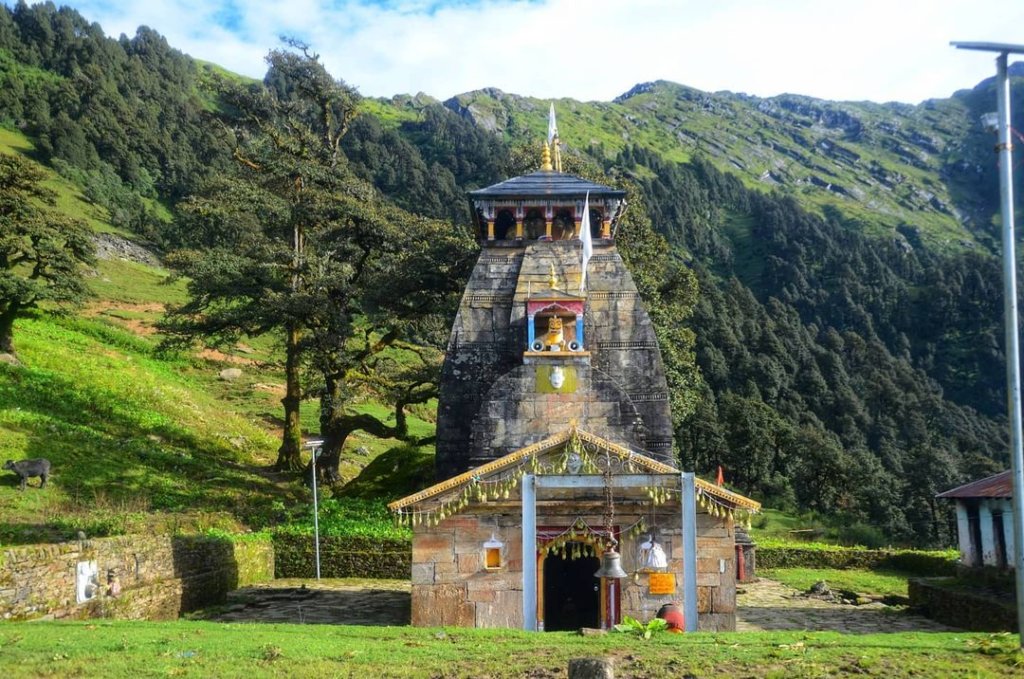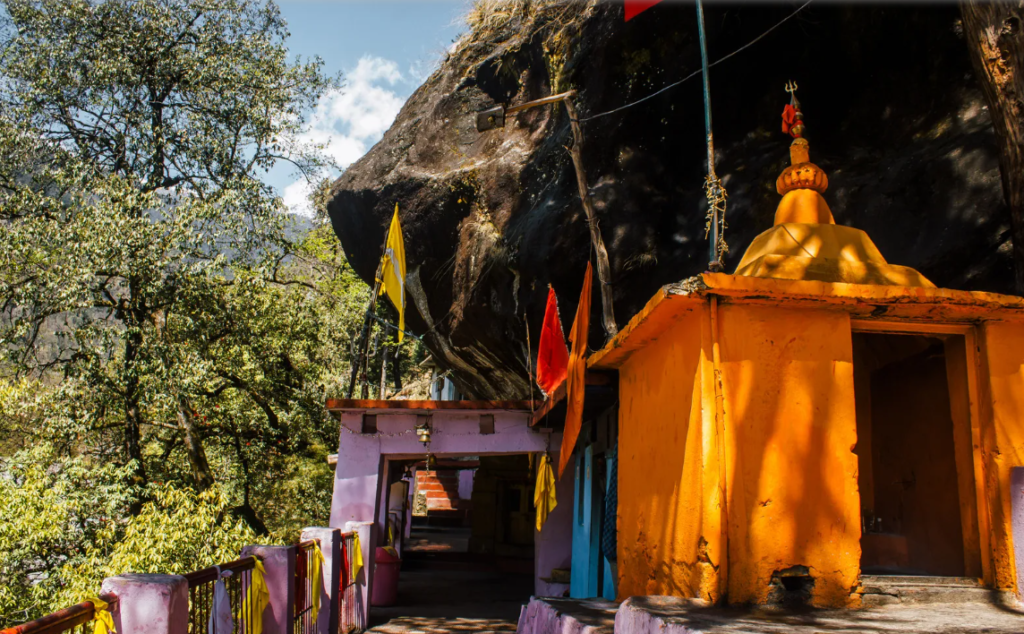
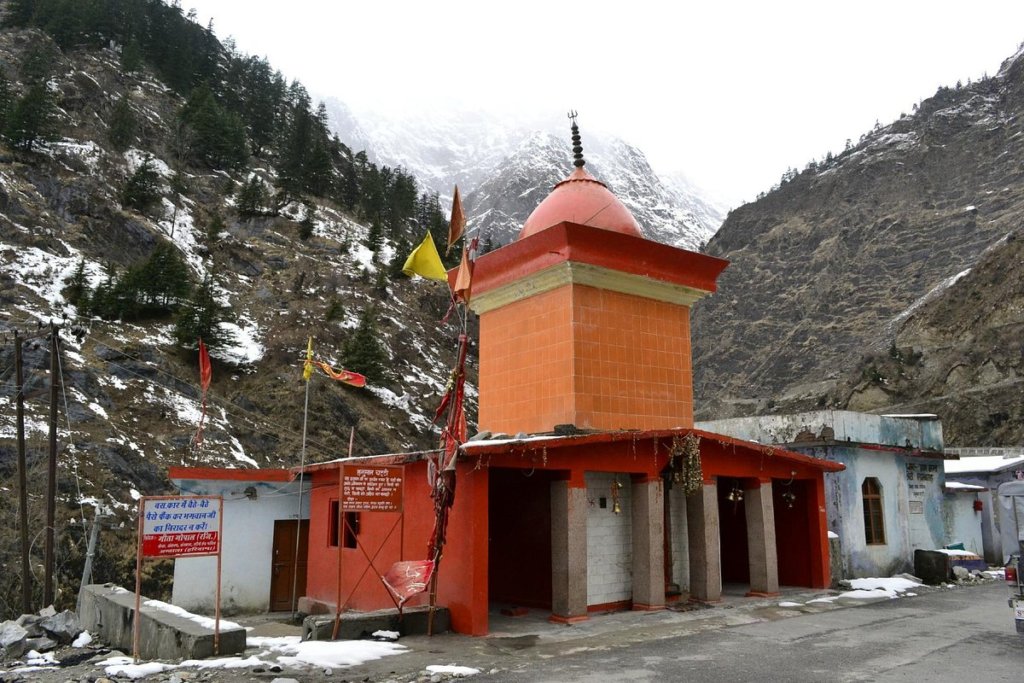
Surya Kund

Surya Kund, yamunotri

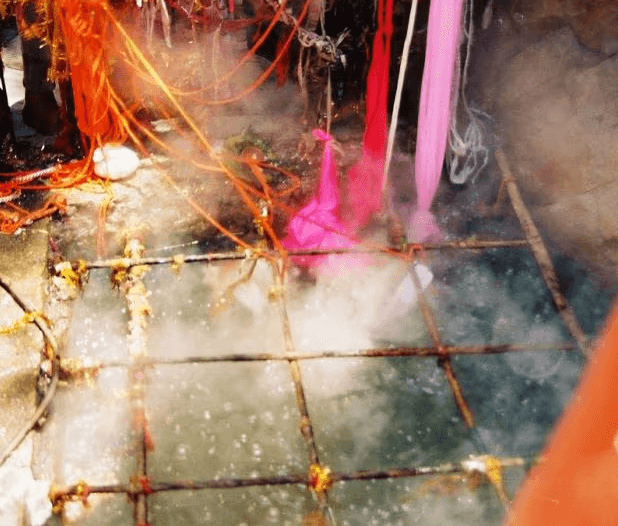
it is situated near the sacred Yamunotri Temple in Uttarakhand, is a natural thermal spring known for its scalding temperatures. Pilgrims believe that cooking rice and potatoes in this geothermal water, a tribute to the sun god Surya, is a divine offering. The hot water emerges from the depths of the earth, providing warmth in the midst of the Himalayan chill. SuryaKund is not only a religious symbol but also a source of comfort for devotees who undertake the challenging journey to Yamunotri. The steaming waters and spiritual significance create a unique atmosphere, fostering a deep connection with nature and divinity.

More Info :- Char Dham Yatra :: Panch Kedar Yatra :: Adi Kailash Yatra 

Click Here to check Some More Hot water spring in Uttarakhand

Mythology of Surya Kund

The mythology of Surya Kund is deeply rooted in Hindu beliefs, portraying the significance of the Sun God, Surya, as the progenitor of the sacred Yamuna River. Nestled in the embrace of the snow-laden Himalayas, Surya Kund is a testament to divine creation. Legend has it that the Sun God, Surya, bestowed the river Yamuna as his daughter. The glistening snow-capped peaks of the Himalayas cradle Surya Kund, where the waters are infused with the divine essence of the Sun God. The simmering hot water symbolizes the cosmic energy and spiritual warmth that flows from Surya, reinforcing one’s faith in the spiritual journey.


How To Reach Surya Kund 

By Road

The nearest roadhead to Yamunotri Temple is Hanuman Chatti, approximately 14 kilometers away. From Hanuman Chatti, you can either trek or hire a pony/doli (palanquin) to reach Yamunotri Temple. The trek from Hanuman Chatti to Yamunotri is about 6 kilometers.

By Train

The nearest railway station to Yamunotri is in Dehradun, approximately 210 kilometers away. From Dehradun railway station, you can follow the same route as mentioned for reaching Yamunotri Temple by air.

By Air

The nearest airport to Yamunotri is Jolly Grant Airport in Dehradun, approximately 210 kilometers away. From Dehradun, you can hire a taxi or take a bus to reach Hanuman Chatti. From there, you can proceed to Yamunotri Temple as mentioned above.

Check Here :- How to Reach Gangotri Temple 
Barkot

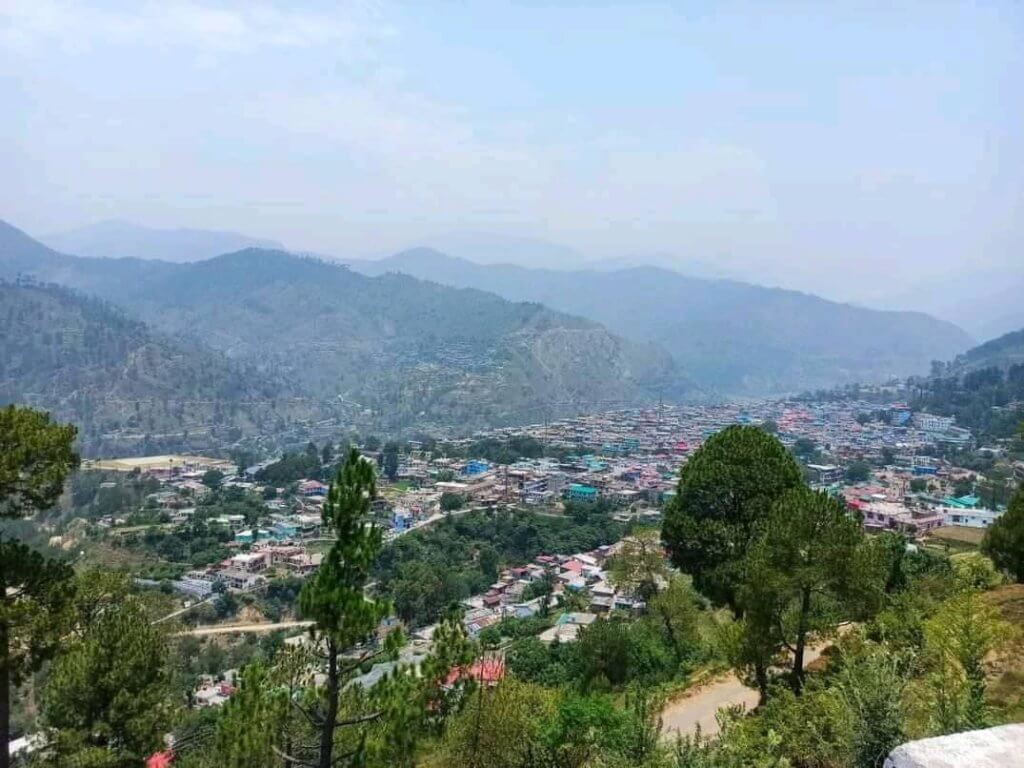
Barkot, a quaint town nestled in the picturesque state of Uttarakhand, India, is a hidden gem that captivates visitors with its natural beauty and spiritual significance. Situated on the banks of the sacred Yamuna River, Barkot serves as a gateway to the revered Yamunotri Temple, one of the holiest shrines in Hinduism. 

Beyond its natural allure, Barkot is a starting point for the challenging trek to Yamunotri, attracting pilgrims and adventure enthusiasts alike. The town’s hospitality reflects the warmth of the locals, making visitors feel at home amidst the serene landscapes. Whether exploring the pristine wilderness or embarking on a spiritual journey, Barkot welcomes all with open arms, offering a unique blend of natural wonders and cultural richness.

Why Barkot is famous

Barkot is primarily famous for being a significant pilgrimage and starting point for the sacred journey to the Yamunotri Temple. This revered temple, dedicated to the goddess Yamuna, holds immense religious importance in Hinduism. Pilgrims undertake a challenging trek from Barkot to reach Yamunotri, situated amidst the majestic Himalayan peaks.

Apart from its religious significance, Barkot is renowned for its breathtaking natural beauty. The town is located on the banks of the Yamuna River and is surrounded by lush greenery and towering mountains. The picturesque landscapes make Barkot a popular destination for those seeking tranquility and a connection with nature.

Furthermore, Barkot serves as a base for adventurers embarking on the Char Dham Yatra, a pilgrimage circuit that includes Yamunotri, Gangotri, Kedarnath, and Badrinath. The town’s strategic location and serene ambiance contribute to its fame as a starting point for spiritual journeys and exploration of the Himalayan wonders. Overall, Barkot’s fame is deeply rooted in its dual identity as a religious hub and a gateway to the pristine natural landscapes of Uttarakhand.

Tourist Attractions in Barkot
Yamunotri Temple (Char Dham)

Yamunotri Temple 

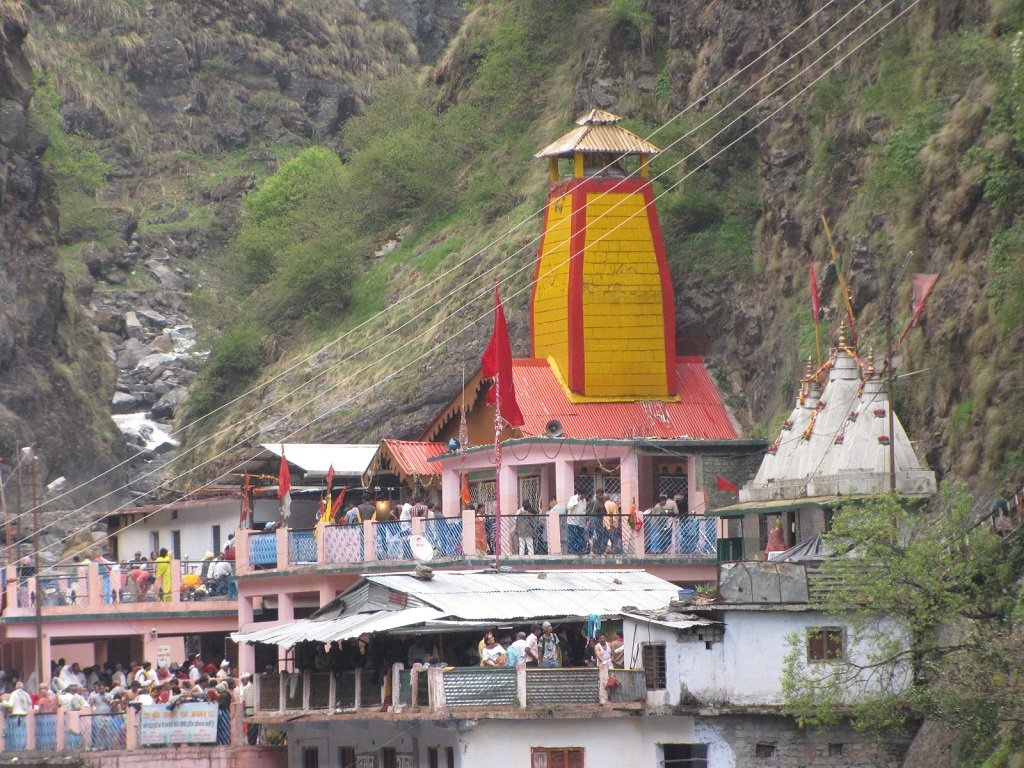
Yamunotri Temple, nestled in the Garhwal Himalayas of Uttarakhand, India, is a sacred Hindu shrine dedicated to Goddess Yamuna. Perched at an altitude of 3,293 meters (10,804 feet), the temple marks the origin of the revered Yamuna River. 

Read More 

Surya Kund, yamunotri

Surya Kund 

Surya Kund, situated near the sacred Yamunotri Temple in Uttarakhand, is a natural thermal spring known for its scalding temperatures. Pilgrims believe that cooking rice and potatoes in this geothermal water, a tribute to the sun god Surya, is a divine offering. The hot water emerges from the depths of the earth, 

Read More 

hanuman Chatti, Yamunotri

Hanuman Chatti 

Hanuman Chatti, located in the Garhwal region of Uttarakhand, serves as a crucial junction for pilgrims en route to Yamunotri. Positioned at an elevation of 2,401 meters (7,877 feet), it is the starting point for the challenging trek to Yamunotri Temple. Pilgrims often rest in Hanuman Chatti before embarking on the uphill journey, 

Read More 

How To Reach Barkot

By Road

  • Barkot is well-connected by road to major cities in Uttarakhand like Dehradun, Rishikesh, and Haridwar.
  • From Delhi, you can take a bus or hire a taxi to reach Barkot. The distance between Delhi and Barkot is around 400 km and takes approximately 10-12 hours by road.
  • The road journey to Barkot offers scenic views of the Himalayan foothills and passes through towns like Mussoorie and Nainbagh.

By Train

The nearest railway station to Barkot is Dehradun Railway Station, From Dehradun Railway Station, you can hire a taxi or take a bus to Barkot. The road journey takes around 6-7 hours.

By Air

The nearest airport to Barkot is Jolly Grant Airport in Dehradun, which is approximately 170 km away. From Dehradun, you can hire a taxi or take a bus to Barkot. The journey from Dehradun to Barkot takes around 6-7 hours by road.

More Places to Visit Nearby Barkot 

Panch Kedar Route Map

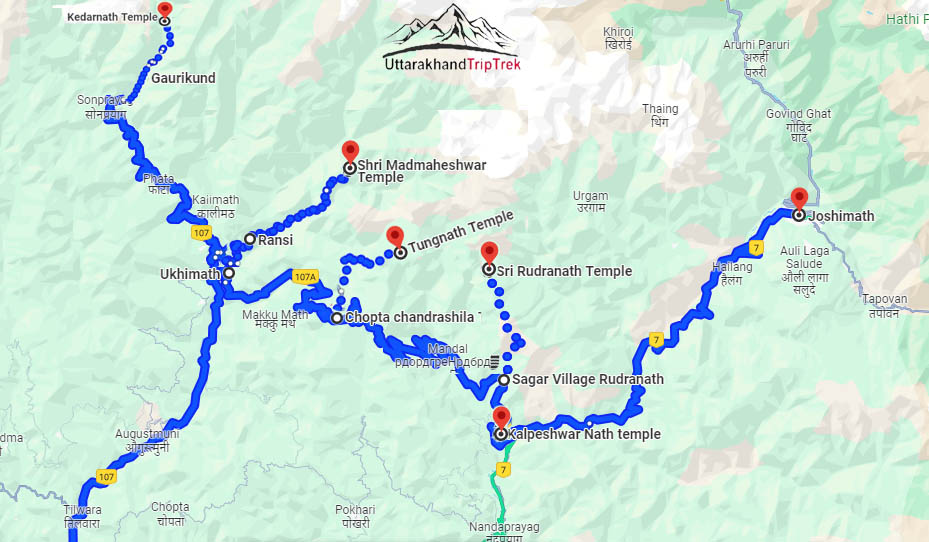
The Panch Kedar Yatra takes pilgrims through a spiritually enriching journey across five sacred temples dedicated to Lord Shiva in the Garhwal Himalayas. The traditional route typically starts at Kedarnath, leading to Tungnath, Rudranath, Madhyamaheshwar, and concluding at Kalpeshwar. The trek offers a panoramic view of the Himalayan peaks, pristine meadows, and dense forests. Pilgrims navigate through challenging terrains, picturesque villages, and ancient pilgrimage sites, following an awe-inspiring path steeped in Hindu mythology. While specific routes may vary, the Panch Kedar Yatra map outlines a transformative expedition, combining physical endurance with spiritual exploration amid the majestic Himalayan landscape.

Panch Kedar Package          Char Dham Yatra           Adi Kailash yatra 

Panch Kedar trek route map
Panch Kedar Trek Route Map

Char Dham Yatra Route 

Trekking Distance  During Panch Kedar Trek

Kedarnath DhamGaurikund to kedarnath Dham & back to Gaurikund 36 Km (18 Km Per Side) 
Madmaheshwar TempleRansi Village to Madmaheshwar and back to Ransi village 32 Km  (16 Km Per Side) 
Tungnath  TempleChopta to Tungnath and Back to Chopta 7 Km (3.5 Km Per Side) 
Rudranath Temple Sagar- Panar Bugyal- Rudranath and back to Sagar Village  34  Km (17 Km Per Side) 

Note :-  Total Trekking distance of approximately 109 kilometers

Driving Distance Rishikesh to Rishikesh 

Rishikesh to Guptkashi 180 km (7-8 hrs)
Guptkashi to Gaurikund 30 Km (1-2 hrs)
Gaurikund to Ransi Village70 Km (3-4 hrs)
Ransi Village to Chopta 50 km, 2-2.5 hrs
Chopta to Sagar Village 35 km, (1-1.5 hrs)
Sagar Village to Kalpeshwar Temple and Joshimath 55 km, 2-3 hrs
Joshimath to Badrinath and back to joshimath 40+ 40 = 80 Km ( 3-4 Hrs)
Joshimath to Rishikesh 250 km, (7-8 hrs)

How to Reach Panch Kedar 

DelhiRishikesh 225km/5-6 hrs approx
Rishikesh Guptkashi 180km/6-7 hrs approx 

Panch Kedar FAQs

Latest update on Panch Kedar Trek FAQs and queries related to Yatra, weather, Route, taxi etc. If you have any query do write Here ASK QUESTION

Panch Kedar Trek      Rudranath Trek         Tungnath Trek       Kedarnath Trek         Madmaheshwar Trek

1. Can Panch Kedar be visited in winter?

Panch Kedar is mostly inaccessible during winter due to heavy snowfall, and the temples are closed during this period.

2. What is Panch Kedar?

Panch Kedar refers to a group of five sacred Hindu temples dedicated to Lord Shiva in the Garhwal Himalayas of Uttarakhand, India

3.  Which are the Panch Kedar Temples?

The Panch Kedar temples are Kedarnath, Tungnath, Rudranath, Madhyamaheshwar, and Kalpeshwar.

4.  What is the best time to visit Panch Kedar?

The best time to visit Panch Kedar is during the summer months (May to June) when the weather is favorable for trekking.

5.  Are there any trekking routes connecting the Panch Kedar temples?

Yes, there are trekking routes that connect the Panch Kedar temples, offering a unique pilgrimage experience.
Kedarnath :-  20 Km Trek  from Gaurikund
Tungnath :- 3 Km Trek from Chopta
Rudranath :- 22 Km From Sagar Village
Madhyamaheshwar :- 13 Km From Sagar Village 

6.  What precautions should one take while trekking to Panch Kedar?

Pilgrims should be physically fit, carry essential supplies, and be prepared for changing weather conditions during the trek.

7.  Can Panch Kedar be visited during the monsoon season?

It is not advisable to visit Panch Kedar during the monsoon season (July to September) due to heavy rainfall, which can make trekking routes challenging and unsafe.

8. What are the accommodation options during the Panch Kedar yatra?

There are so many guest house and home stay, and some places you will stay Only in tents.

9. Can Panch Kedar be visited by solo travelers?

Solo travelers can undertake the Panch Kedar trek, but it’s advisable to inform someone about the travel plans and trek with a group if possible.

10. Is it possible to do a helicopter tour of the Panch Kedar temples?

Helicopter service is only for Kedarnath Dham, for other places you will have to go by trek.

11.  What is the level of difficulty for the Panch Kedar trek?

The difficulty level varies for each trek, but in general, it is considered moderate to challenging, requiring a reasonable level of fitness.

12.  Are there any trekking permits required for the Panch Kedar

Some trekking permits may be required, and it’s advisable to check with local authorities or tour operators for the necessary documentation.

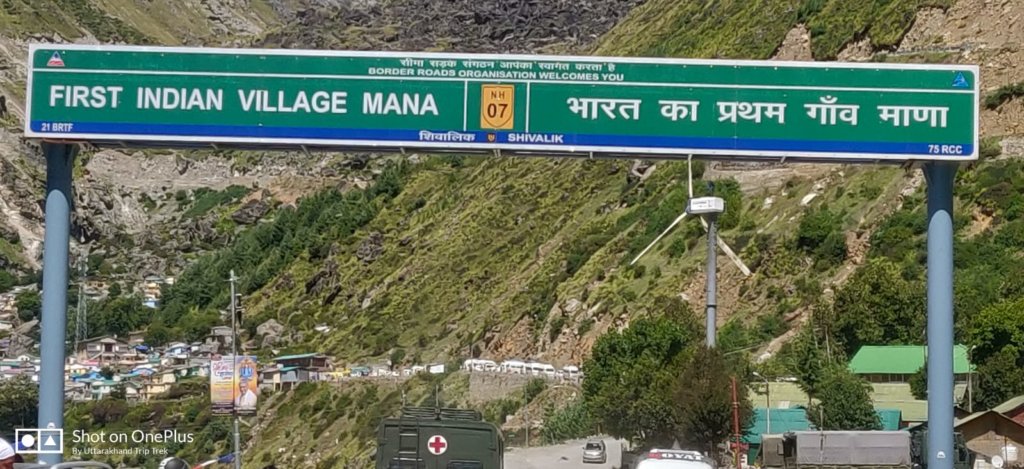
Mana Village

Mana is the First inhabited village on the Indian side of the Indo-Tibetan border, located in the Chamoli district of Uttarakhand, India. It’s famous for being the last accessible village before the Mana Pass, which leads into Tibet. The village holds cultural and mythological significance as it’s believed to be the place where the Pandavas from the Indian epic Mahabharata ascended to heaven. It’s also known for its proximity to the Badrinath Temple, one of the Char Dham pilgrimage sites in Hinduism.

Mana village
Mana village, uttarakhand

Char Dham Yatra          Do Dham Yatra          Adi Kailash Yatra 

LocationChamoli
Famous ForSaraswati River, Last Indian village before the Indo-Tibetan border, Badrinath Temple
Altitude 3,200 meters
Badrinath Temple3  Km From Badrinat
Best time to visitMay, Jun, Sep, Oct, Nov

Anushuya Devi Temple       Tungnath Temple         Rudranath Temple

Mana Village

it is a picturesque and culturally rich village situated near the town of Badrinath in the Chamoli district of Uttarakhand, India. It is not only a tourist spot but also a place that holds religious and historical significance in Hindu mythology. It remains a serene location, attracting pilgrims, trekkers, and nature enthusiasts alike. Badrinath Temple, While not in itself, it’s nearby and holds immense religious significance as one of the Char Dham pilgrimage sites for Hindus.

Mythology About Mana

it is a quaint town, carries echoes of Hindu mythology, particularly the Mahabharata. Legend has it that the Pandavas traversed through Mana on their celestial journey to heaven. Notably, Bheem, one of the Pandava brothers, is credited with creating the iconic ‘Bheem Pool’—a substantial rock structure serving as a bridge over the sacred River Saraswati. Witness the tangible connections to ancient mythology as you explore the mystical town.

Attractions in Mana

  • Vyasa Cave:   Vyasa Cave is believed to be the place where the sage Ved Vyasa, the author of the Mahabharata, composed the epic scripture. It is said that he dictated the verses of the Mahabharata to Lord Ganesha, who acted as his scribe. 
  • Bhim Pul: One of the prominent attractions in there is the Bhim Pul, a natural stone bridge over the Saraswati River. According to folklore, Bhima, one of the Pandava brothers, placed this massive stone bridge to help Draupadi, the wife of the Pandavas, cross the river.
  • Saraswati Udgam: The origin point of the sacred Saraswati River, believed to be a subterranean flow emerging from a stone slab. Pilgrims consider it auspicious to take a dip in the holy waters here.
  • Keshav Prayag: The confluence of River Saraswati and River Alaknanda, where the two rivers merge to form the river Ganges. It holds religious significance for Hindu devotees.
  • Badrinath Temple: While technically located in Badrinath, this revered temple is just a short distance from There. Devotees visit this sacred shrine dedicated to Lord Badrinath.

Treks from Mana Village 

Trekking to Mana  in India is an incredible experience, offering breathtaking views and a chance to immerse yourself in the stunning Himalayan landscape.

  • Mana to Vasudhara: This trek is renowned for the majestic Vasudhara Falls.The trek starts from Mana and leads you through picturesque trails, offering mesmerizing views of the surrounding mountains.
  • Mana to Satopanth: The trek from Mana to Satopanth Lake is a challenging yet spiritually rewarding journey. Satopanth Lake is considered sacred by Hindus, and the trek involves traversing rugged terrain and high-altitude paths.
How To Reach Mana Village

By Road

  • Mana Village is accessible by road from various nearby towns like Badrinath, which is approximately 24 kilometers away.
  • You can reach Badrinath by road from major cities like Dehradun, Rishikesh, Haridwar, and Delhi.
  • From Badrinath, you can hire a local taxi or take a shared jeep to reach Mana Village. The road to Mana Village is scenic but can be challenging due to its mountainous terrain.

By Train

The nearest major railway station to Mana Village is in Rishikesh. From Rishikesh, you can take a bus or hire a taxi to reach Badrinath. Once in Badrinath, follow the road route mentioned above to reach Mana Village.

By Air

The nearest airport to Mana Village is the Jolly Grant Airport in Dehradun. From Dehradun, you can either hire a taxi or take a bus to reach Badrinath. After reaching Badrinath, follow the road route mentioned above to reach Mana Village.

More Info :- Click here how to Reach Mana Village

Panch Kedar

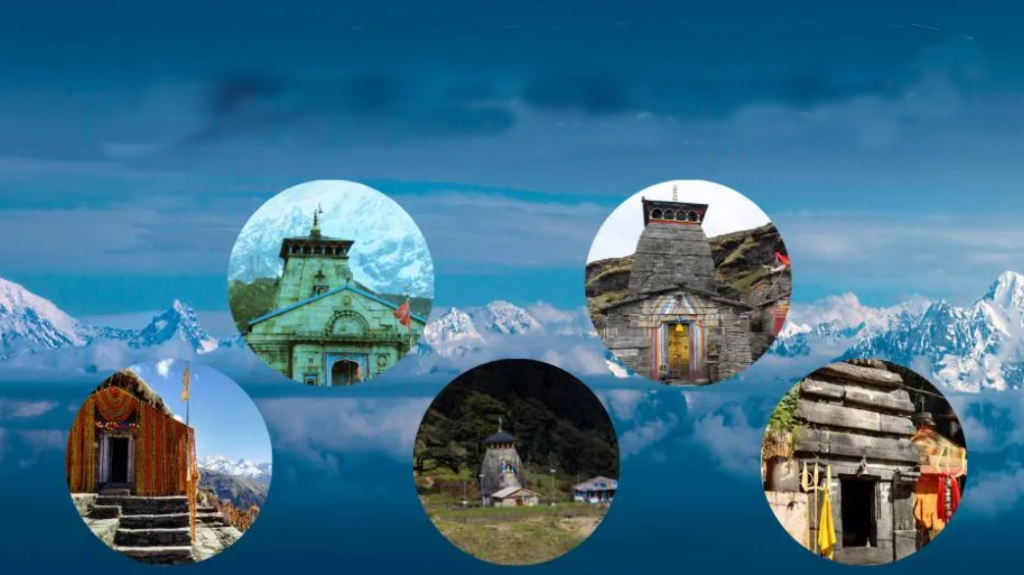
The Panch Kedar temple, nestled in the majestic Garhwal Himalayas, form a sacred pilgrimage circuit dedicated to Lord Shiva. Kedarnath, situated at an altitude of 3,583 meters, houses the prominent Kedarnath Temple, one of the twelve Jyotirlingas. Madhyamaheshwar, at 3,497 meters, is revered for its unique navel manifestation of Lord Shiva. Tungnath, the highest Shiva temple globally at 3,680 meters, offers panoramic views amid scenic landscapes. Rudranath, where Shiva is worshipped in the form of his face, exudes tranquility amidst alpine meadows. Kalpeshwar, nestled in the serene village of Urgam, symbolizes Shiva’s hair and provides a meditative haven surrounded by lush greenery. Pilgrims embark on a transformative journey, trekking through breathtaking terrains to seek spiritual solace in these sacred abodes of Lord Shiva.

Adi kailash Yatra          Do Dham Yatra           Panch kedar Yatra          Char Dham Yatra 

Kedarnath Dham

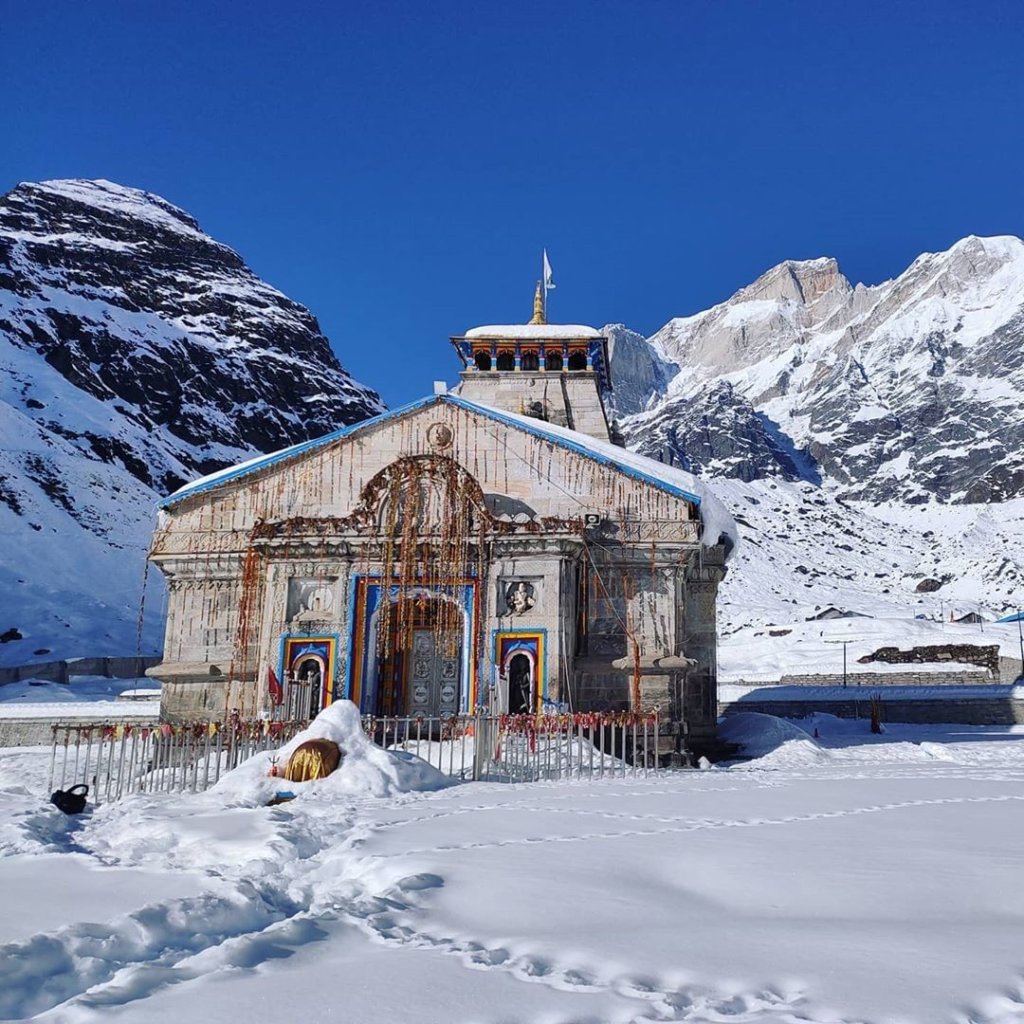
1.Kedarnath Temple 

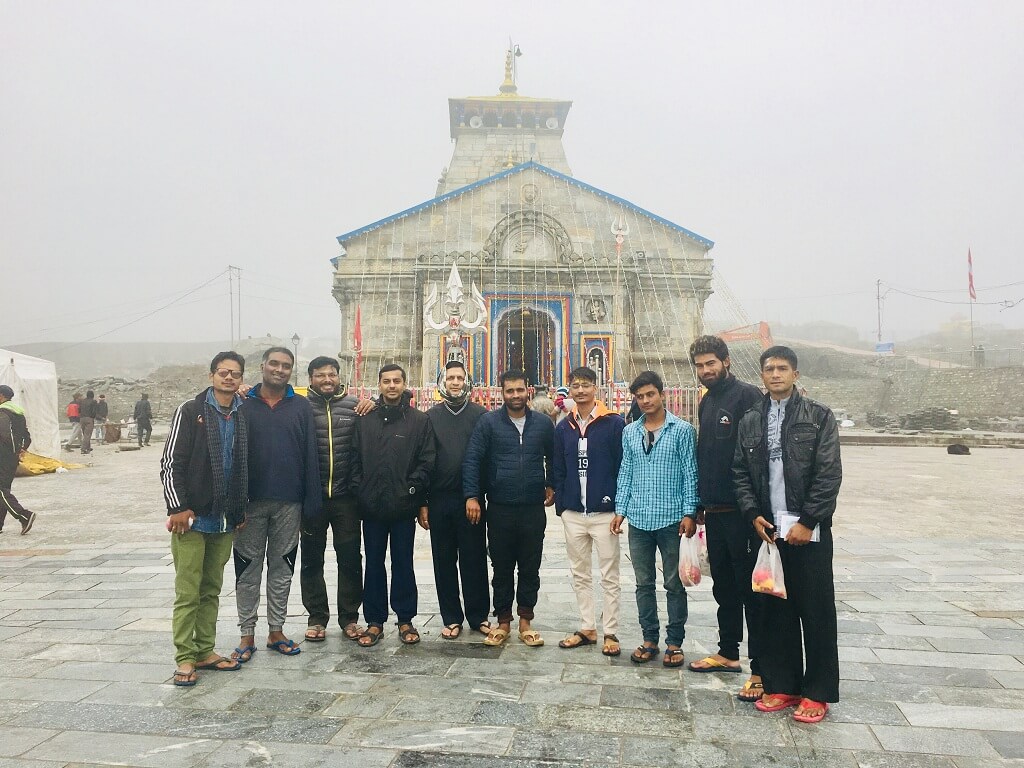
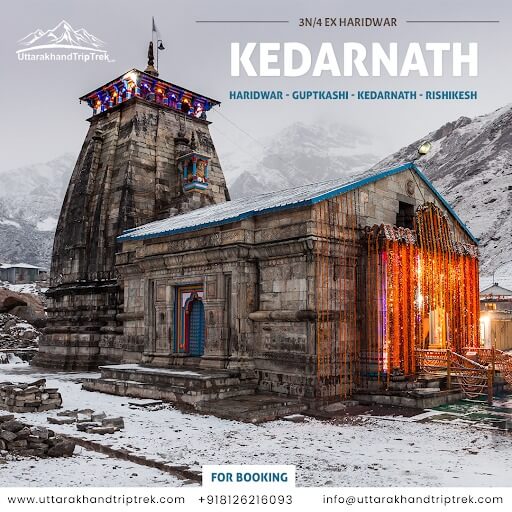
Nestled in the Garhwal Himalayas, Kedarnath is home to the revered Kedarnath Temple dedicated to Lord Shiva. It stands as one of the twelve Jyotirlingas, drawing pilgrims to its sacred abode amid the snow-capped peaks.

Read More

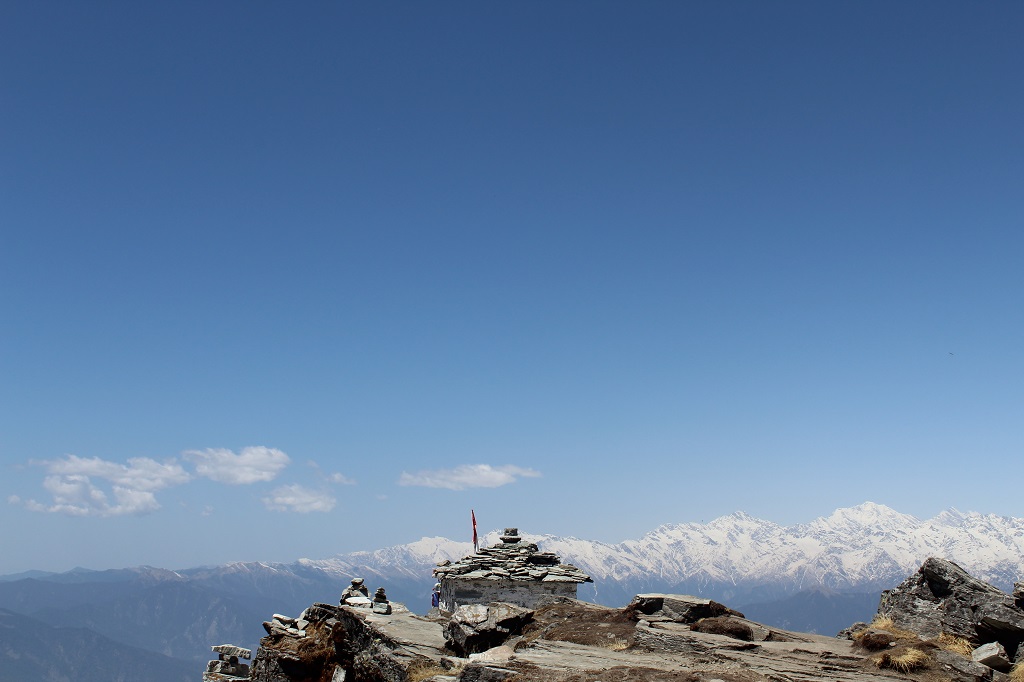
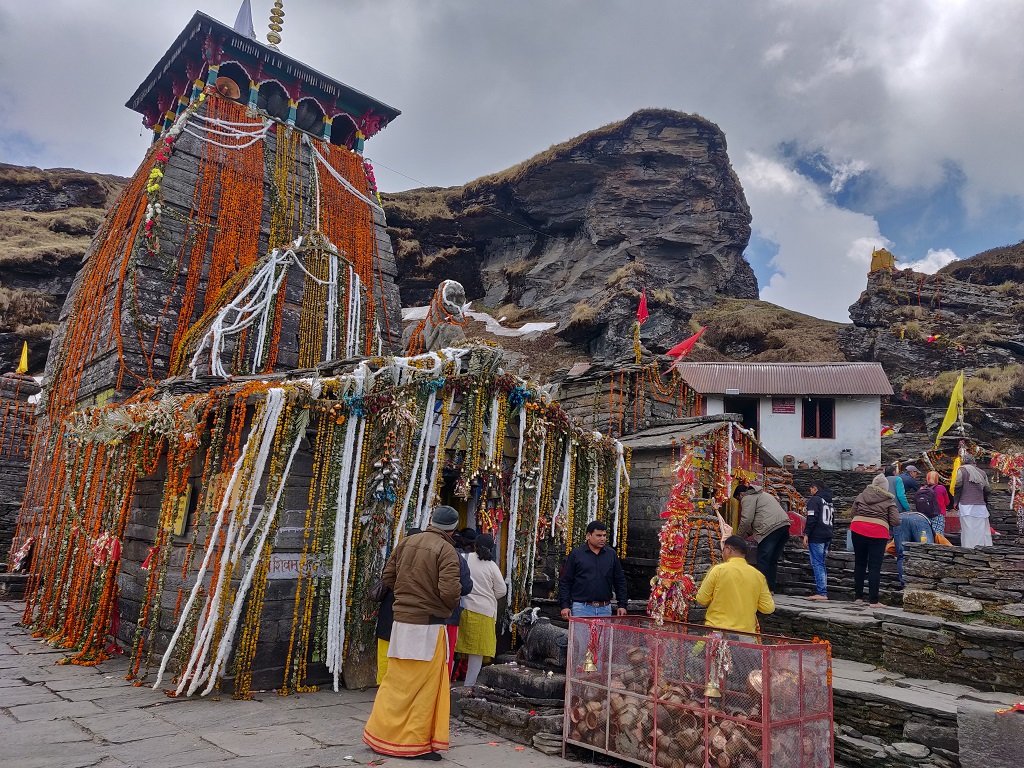
Tungnath Temple, Chopta

2. Tungnath Temple

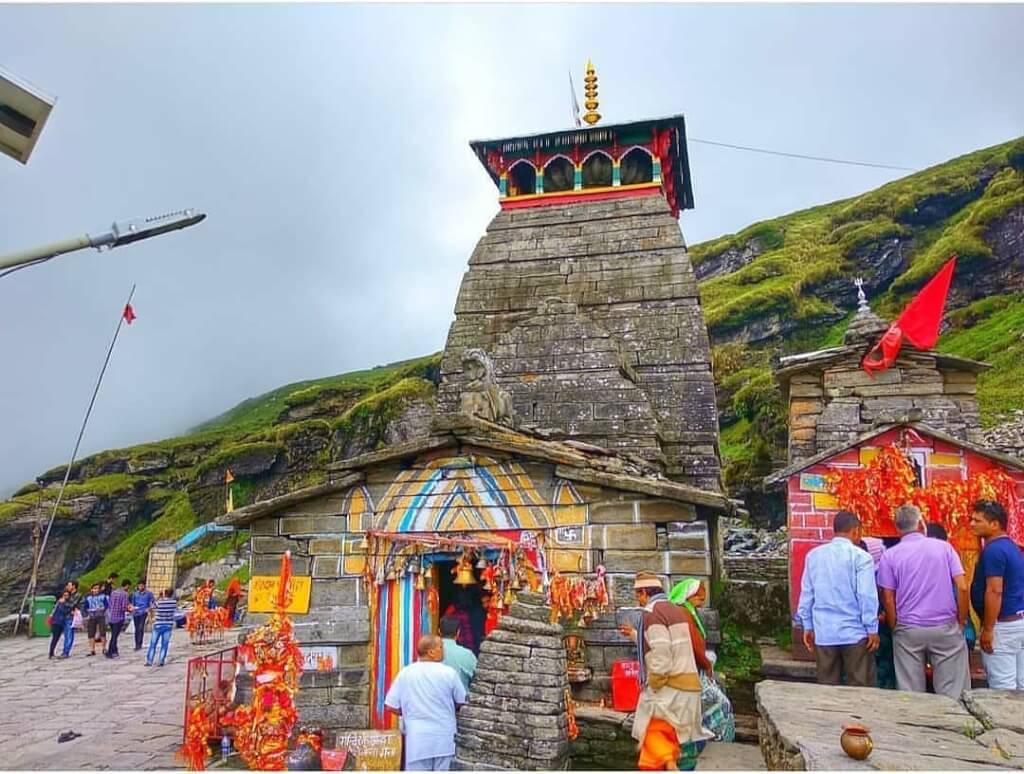
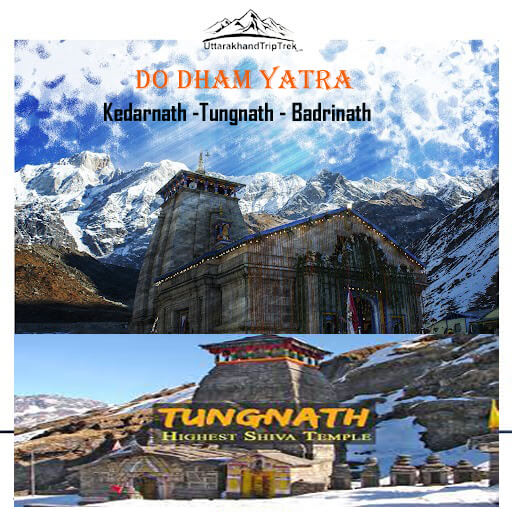
The highest Shiva temple globally, Tungnath, at 3,680 meters, is nestled in the Rudraprayag district. Pilgrims trek through scenic landscapes to witness the sanctity of this ancient temple dedicated to Lord Shiva.

Read More 

madmaheshwar trek

3. Madhyamaheshwar Temple

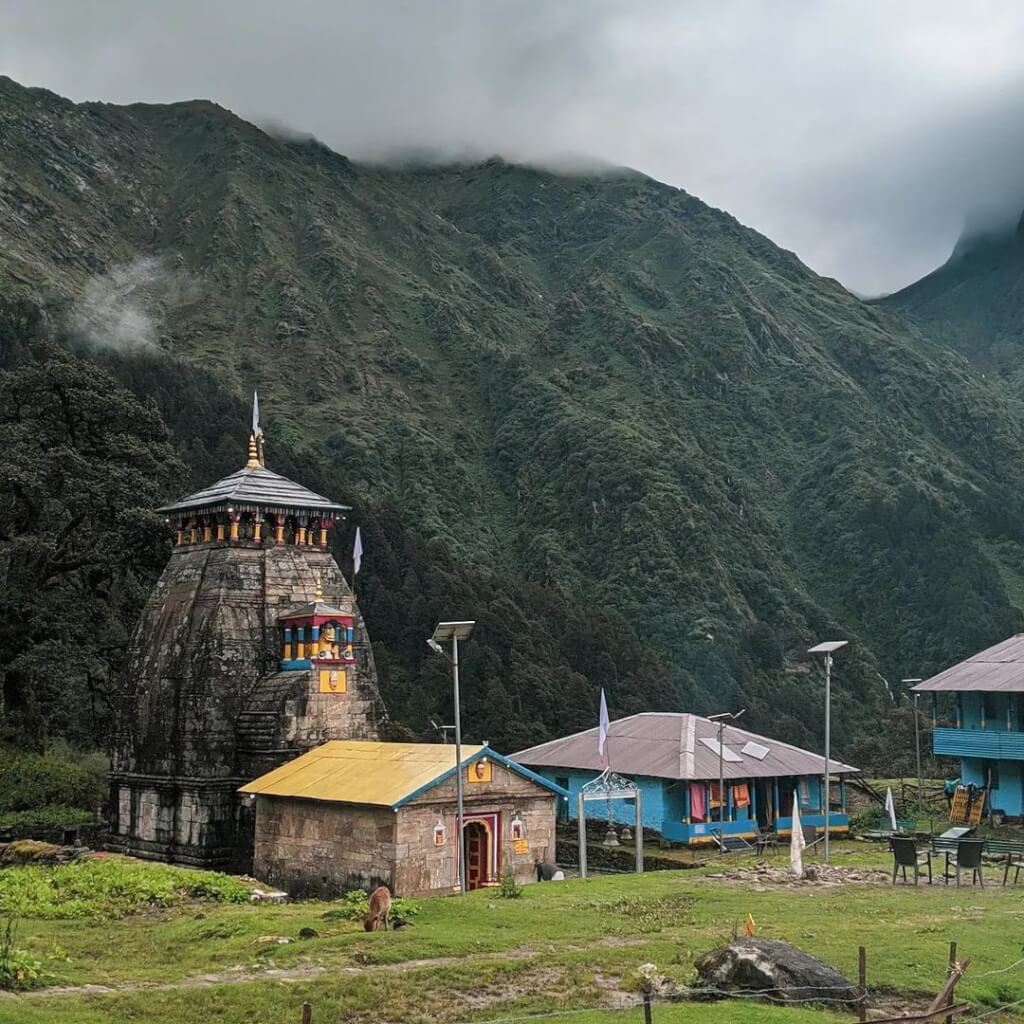
Perched at an altitude of 3,497 meters, Madhyamaheshwar is where Lord Shiva is worshipped in the form of the navel (nabhi). The trek to this divine site unfolds amidst lush meadows, offering a serene spiritual retreat.

Read More 

rudranath temple uttarakhand

4. Rudranath Temple 

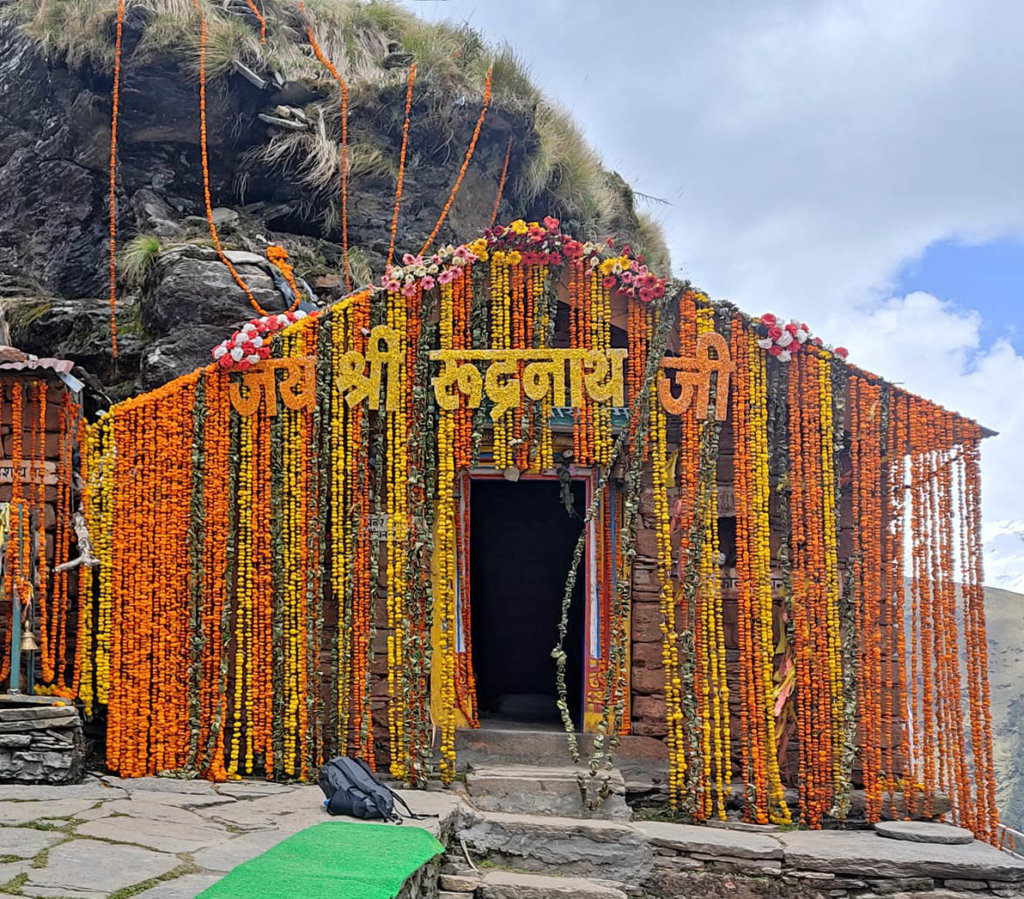
Located amidst alpine meadows, Rudranath is where Lord Shiva is worshipped in the form of his face (mukha). The trek to Rudranath offers breathtaking views, and the temple exudes a tranquil spiritual aura.

Read More 

kalpeshwar temple uttarakhans

5. Kalpeshwar  Temple 

The serene village of Urgam hosts Kalpeshwar, where Lord Shiva is worshipped in the form of hair (jata). Surrounded by lush greenery, this sacred site provides a meditative retreat for devotees seeking spiritual solace.

Read More 

Char Dham Yatra FAQs

Latest update on Char Dham yatra FAQs and queries related to Yatra, weather, Route, taxi etc. If you have any query do write Here ASK QUESTION

1. What is Char Dham Yatra?

Char Dham Yatra refers to the pilgrimage to the four sacred shrines in the Indian Himalayas: Yamunotri, Gangotri, Kedarnath, and Badrinath. These shrines hold great significance in Hinduism

2. When is the best time to undertake Char Dham Yatra?

The best time for Char Dham Yatra is typically between May and October, avoiding the monsoon season. The exact timing may vary each year, so it’s essential to check the current weather conditions and pilgrimage status.

3. Do I need permits for Char Dham Yatra?

While there are no specific permits required for Char Dham Yatra, it’s essential to check any travel restrictions, permits, or registration requirements imposed by local authorities. This information may change, so stay updated. Fore Information Click here  

4. What should I pack for Char Dham Yatra?

Pilgrims should pack essentials such as warm clothing, rain gear, comfortable footwear, first aid kit, identity proof, and any necessary personal items. It’s crucial to travel light but be prepared for various weather conditions. for more information Click Here  

5. How much trekking in char dham yatra

Yamunotri:
Yamunotri is usually reached by a trek of about 6 kilometers 
Gangotri:
Gangotri has a motorable road that goes up to the temple.
Kedarnath:
The trek to Kedarnath involves a distance of approximately 16 kilometers (about 10 miles) from Gaurikund
Badrinath:
Badrinath is accessible by road, and there is minimal trekking involved from the parking area to the temple
Note :-  Ponies, palki, Muel and helicopter services are available for pilgrims who prefer not to trek the entire distance.

6. What kind of medical facilities are provided in the Yatra? 

Yes, medical facilities are available during the Chardham Yatra to ensure the well-being and safety of pilgrims. The authorities make efforts to provide medical assistance and emergency services along the Yatra route.  For More information Click Here 

7. Is a guide required for Char Dham Yatra?

Guide can help you navigate the often-difficult terrain and offer valuable insight into the culture and history of the area. we will provide you a driver-cum-guide

8. is there any directly bus service from delhi to Gaurikund

yes, There is direct bus service from Delhi ISBT Kashmiri Gate to Sonprayag. Fore More Information Click Here 

9. What is the fare of helicopter from Guptkashi  to kedarnath?

The fare of helicopter ticket to Kedarnath is approx Rs 7,990/- per person from Guptkashi, which includes return helicopter fare 

10.  What is the right time for Char Dham Yatra

The ideal time for Char Dham Yatra is generally between May and October, avoiding the monsoon season. Plan according to weather conditions and pilgrimage status.

Medical facilities during Char Dham Yatra

Medical facilities along the Char Dham Yatra route are available to address the health needs of pilgrims. However, the level of medical infrastructure may vary at different locations. Here are some common medical facilities provided during the Char Dham Yatra:

Important Num During Char Dham Yatra :- Click Here 

  1. Medical Camps:
    • Temporary medical camps are often set up along the yatra route, especially at key points and campsites. These camps are equipped to provide basic medical services, first aid, and consultations.
  2. Health Centers and Hospitals:
    • There are established health centers and hospitals in towns and villages along the yatra route. These facilities may offer a broader range of medical services, including emergency care, minor surgeries, and consultation with doctors.
  3. Emergency Evacuation Services:
    • In case of emergencies or serious medical conditions, arrangements are usually in place for helicopter evacuation services. These services can transport patients to better-equipped medical facilities in a timely manner.
  4. Pharmacies:
    • Local pharmacies may be available in towns or campsites, offering essential medications and medical supplies. Pilgrims are advised to carry a basic first aid kit and any necessary prescription medications.
  5. Mobile Medical Units:
    • Mobile medical units equipped with medical professionals and necessary equipment may move along the yatra route to provide medical assistance where needed.
  6. Medical Helpline:
    • Some yatra organizers and local authorities may provide a medical helpline for pilgrims to contact in case of health-related emergencies. This helpline can provide guidance on medical facilities and evacuation services.
  7. Oxygen Facilities:
    • Given the high-altitude locations of the Char Dham shrines, oxygen facilities may be available to assist pilgrims who experience altitude-related issues. Oxygen cylinders or concentrators may be provided at certain points.

Yatra registration is mandatory for chardham :- Click here for Registration

Delhi to Sonprayag Bus Service

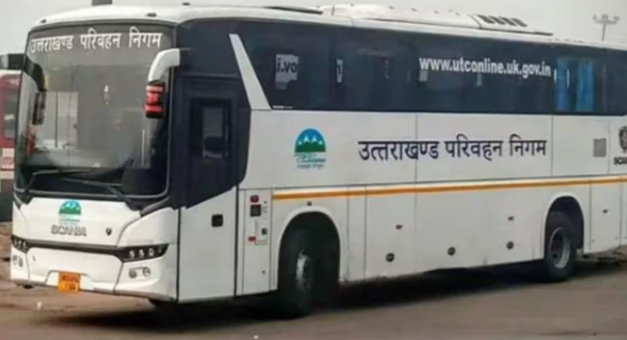
The Uttarakhand Transport Corporation (UTC) operates a direct bus service connecting Delhi to Sonprayag, providing pilgrims heading to Chardham with a convenient transportation option. The successful daily bus service from ISBT kashmiri Gate, New Delhi to Sonprayag.

delhi to kedarnath bus service

Bus Time Table from Delhi to Sonprayag  ( 440 Km) 

Delhi ISBT Kashmiri Gate to Rishikesh 09:00 pm
Rishikesh  to Sonprayag 03:30 Pm 
Reach Sonprayag  Between 10:00 am. to 11:00 Am

Bus Time Table from Sonprayag to Delhi Kashmiri Gate

Sonprayag to Delhi 03:00 pm 

Note :- Delhi to Sonprayag and Return  bus fare is ₹850 Per person 

Pilgrims  can book Delhi – Sonprayag bus tickets online at www.utconline.uk.gov.in

If you want to book taxi from Delhi to Sonprayag, Rishikesh & Badrinath then click here

Char Dham Yatra 2025 Char dham Yatra

Char Dham Yatra 2025

Char Dham Yatra 2025 Fixed Departure Date Ex Delhi Char Dham Yatra 2025 From Delhi May June July August September October May 09, 17, 24 June 07, 14 July 15 Aug…

Char Dham Route Map

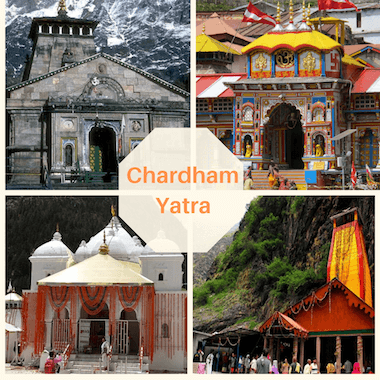
Uttarakhand is considered the Land of Gods, ‘DevBhumi’, and the lofty peaks of the Himalayas are regarded as the Home of Gods. The famous Char Dham Temple is situated in the Garhwal Himalayas. The Char Dham Yatra includes four holy shrines of Hindus named Badrinath, Kedarnath, Gangotri, and Yamunotri.  All four holy dhams belong to different Gods; the Badrinath Temple is dedicated to Lord Vishnu, while the Kedarnath Temple is dedicated to Lord Shiva, and Gangotri & Yamunotri are dedicated to the goddesses Ganga and Yamuna rivers, respectively. The Char Dham Yatra is the most devoted and spiritual tour of Uttarakhand

Char Dham Yatra                    Panch Kedar Yatra                      Adi Kailash Yatra       

char dham route map
Char Dham Route Map

Char Dham Opening & Closing Date             Panch Kedar Opening & Closing Date 

Char Dham Route Map   from Delhi

Delhi to Haridwar 210 km (6 hours)
Haridwar to Barkot 220 km (7 hours)
Barkot to Yamunotri 36 km (drive) + 7 kms by trek
Barkot to Uttarkashi 100 km (4 hours)
Uttarkashi to Gangotri 100 km (4 hours)
Uttarkashi to Rudraprayag 180 km (7-8 hours)
Rudraprayag to Kedarnath 74 kms (drive) + 20 kms trek* (new route)
Rudraprayag to Badrinath 160 km (6-7 hours)
Badrinath to Rishikesh 297 kms (10-11 hours)
Rishikesh to Delhi 230 km (6 hours)
Important Cities and towns which comes during Char Dham Yatra :Click Here

Panch Prayag :-   five confluences of sacred rivers along the Char Dham Yatra route

The Panch Prayag refers to the in Uttarakhand, India. These confluences are Devprayag (Alaknanda and Bhagirathi), Rudraprayag (Alaknanda and Mandakini), Karnaprayag (Alaknanda and Pindar), Nandaprayag (Alaknanda and Nandakini), and Vishnuprayag (Alaknanda and Dhauliganga). Each confluence holds immense religious significance, and pilgrims often perform rituals at these junctures. These pristine locations not only enhance the spiritual journey but also offer breathtaking natural beauty, surrounded by the majestic Himalayas. The Panch Prayag adds a profound dimension to the sacred Char Dham Yatra experience, enriching the pilgrimage with cultural and natural splendor

Contact Us